
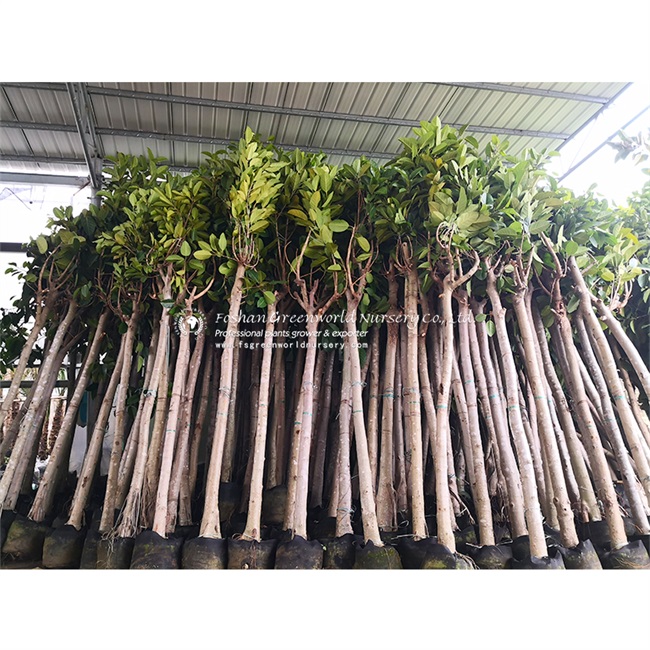
As urbanization accelerates globally, the focus on integrating greenery into city planning has never been more critical. Trees not only enhance the aesthetic appeal of urban spaces but also provide essential environmental benefits such as air purification, temperature regulation, and support for local biodiversity. Among the many species favored for urban environments, the Magnolia Grandiflora stands out for its lush foliage, distinctive flowers, and remarkable adaptability. Coupled with other valuable species such as Lagerstroemia Indica, Delonix Regia, Hibiscus Tiliaceus, and Ginkgo Biloba, these trees contribute significantly to creating sustainable and vibrant urban ecosystems.
### The Value of Magnolia Grandiflora in Urban Landscapes
Magnolia Grandiflora is renowned for its large, fragrant white flowers and glossy, dark green leaves that remain vibrant year-round, making it a popular choice for city parks, avenues, and residential areas. Beyond its ornamental appeal, this species is hardy and tolerant of various soil conditions, including those typically found in urban settings affected by construction and pollution.
This evergreen tree grows moderately fast and can reach impressive heights, providing substantial shade that helps to cool city streets and reduce the urban heat island effect. Its dense canopy also offers shelter to urban wildlife, fostering biodiversity even within heavily built environments.
### Complementary Species for a Balanced Urban Forest
In addition to the Magnolia Grandiflora, a diverse selection of tree species enhances the urban ecosystem by providing a range of ecological services. Below are some of the notable trees commonly integrated into urban green spaces:
- **Lagerstroemia Indica**: This species is well-loved for its stunning summer blooms in shades of pink, purple, and white. The tree’s relatively compact size and vibrant flowers make it perfect for lining streets and beautifying public spaces.
- **Delonix Regia (Flamboyant Tree)**: Famous for its fiery red-orange blossoms and wide-spreading canopy, the Delonix Regia offers spectacular visual appeal and generous shade, beneficial for pedestrian comfort.
- **Hibiscus Tiliaceus & Hibiscus Tiliaceus Rubra**: These hardy trees tolerate coastal conditions well, making them ideal for seaside cities. Their bright yellow and red flowers attract pollinators and contribute to coastal biodiversity.
- **Pongamia Pinnata**: Apart from its resilience in poor soils and drought tolerance, Pongamia Pinnata contributes to improving air quality and can help in soil enrichment via nitrogen fixation.
- **Albizia Saman (Rain Tree)**: Known for its expansive crown and delicate foliage, Albizia Saman provides excellent canopy cover for large parks and recreational grounds. It also supports a variety of bird species.
- **Millingtonia Hortensis**: This fast-growing tree produces aromatic white flowers and adapts well to urban conditions, greatly enhancing sensory environments.
- **Ficus Nitida, Ficus Religiosa (Sacred Fig), & Ficus Racemosa**: These fig species offer dense shade and fruit that supports urban wildlife, such as birds and bats, thus promoting ecological balance within city boundaries.
- **Photinia Serrulata**: This decorative tree or shrub is appreciated for its red-tipped new leaves and white spring flowers, adding seasonal color variation to urban gardens.
- **Cinnamomum Camphora (Camphor Tree)**: With its fragrant leaves and robust structure, this tree is often planted for both aesthetic and medicinal value, offering shade and a pleasant aroma.
- **Prunus Yedoensis (Yoshino Cherry)**: A symbol of springtime beauty, this cherry blossom tree is celebrated for its early bloom of delicate pink-white flowers, enhancing urban parks and waterfronts.
- **Trachycarpus Fortunei**: A popular palm species that provides vertical interest and tropical ambiance to city landscapes.
- **Tecoma Stans**: Known as Yellow Bells, this flowering shrub or small tree adds bright yellow color and attracts pollinating insects.
- **Wodyetia Bifurcata (Foxtail Palm)**: A stately palm prized for its feather-like fronds and attractive trunk, often used in upscale residential and commercial landscapes.
- **Sea Grape Plant**: Ideal for coastal planting, the Sea Grape provides privacy, erosion control, and vibrant foliage.
### Enhancing Urban Sustainability with Tree Diversity
An important component of sustainable urban forestry is species diversity. Relying on a variety of tree species reduces the risk of catastrophic loss from pests, diseases, or climate extremes. Moreover, different species fulfill different ecological roles—from providing food and shelter for wildlife to improving soil health and stabilizing microclimates.
The combined array of species like Magnolia Grandiflora, Lagerstroemia Indica, Delonix Regia, and others mentioned exemplifies a well-rounded urban forest portfolio that city planners and environmental managers can leverage for greener, healthier cities.
### Company Commitment to Urban Greening
Among the companies dedicated to promoting urban greenery is one specializing in the propagation, supply, and planting of these iconic trees. Their expertise covers a broad spectrum of species, offering tailored solutions for various urban environmental challenges. By supplying healthy saplings such as Magnolia Grandiflora and other resilient species, the company encourages municipalities, developers, and homeowners to embrace tree planting as a key strategy for climate resilience and improved urban living.
They also provide consultancy services to help clients choose the right species for their specific climatic and soil conditions, ensuring the trees thrive and provide maximum benefit over their lifespan.
### Conclusion
Trees like Magnolia Grandiflora and its many companions are indispensable assets in the quest to create livable, beautiful, and sustainable cities. Their multifaceted benefits—from cooling the environment and supporting wildlife to enriching urban aesthetics—underscore the need for thoughtful integration of diverse tree species in city planning. With dedicated efforts from companies offering high-quality trees and expert guidance, urban areas can transform into greener, healthier spaces that support both people and nature for generations to come.
---
*Urban forestry is an ongoing journey where species such as Magnolia Grandiflora serve not only as natural adornments but as keystones in building resilient urban ecosystems.*