
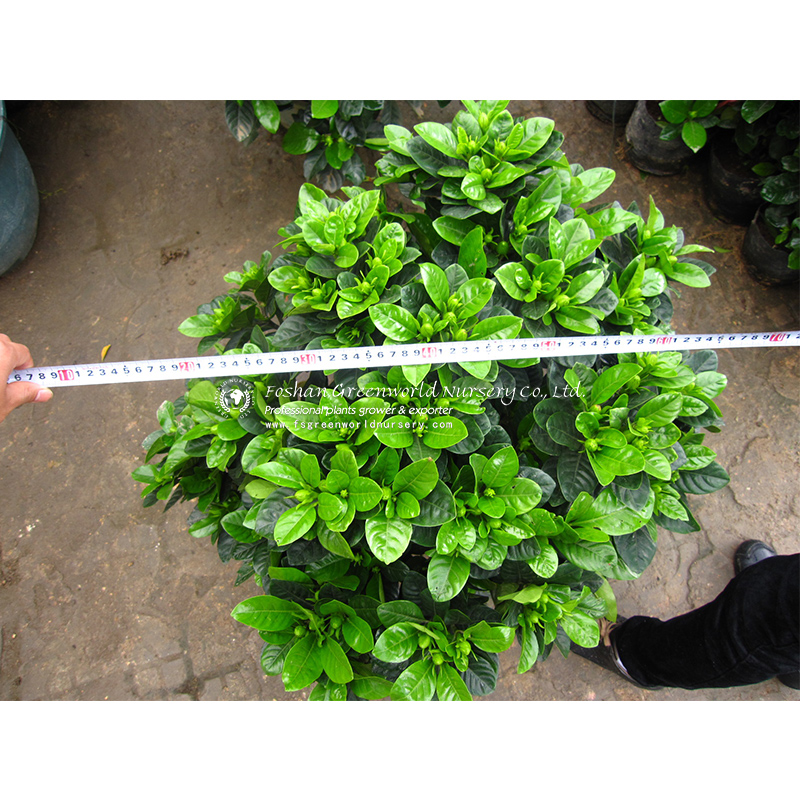
In recent years, urban greenery has gained renewed focus worldwide, as city planners and environmentalists emphasize the importance of integrating nature into urban living spaces. Trees not only beautify cities but also improve air quality, provide shade, reduce urban heat islands, and support biodiversity. Among the myriad species employed for urban landscaping, a diverse selection of resilient and aesthetically pleasing trees plays a crucial role in creating sustainable and vibrant green environments.
One such species gaining increasing attention for urban planting schemes is Trachycarpus fortunei, commonly known as the windmill palm. This hardy palm species is celebrated for its ability to withstand a variety of climatic conditions and its distinctive fan-shaped leaves that add a tropical charm to any urban landscape. While palms often evoke images of coastal or tropical settings, Trachycarpus fortunei can thrive in temperate regions, making it an excellent choice for enhancing city parks, streetscapes, and residential gardens.
In addition to Trachycarpus fortunei, a variety of other tree species have proven effective in urban greening initiatives. These species bring unique attributes in terms of form, foliage, flowering patterns, and ecological benefits. Below is an introduction to some of the key trees that have been widely adopted for urban plantations:
1. **Lagerstroemia indica**
Also known as crape myrtle, this deciduous tree is highly valued for its vibrant summer blossoms in shades of pink, purple, and white. Its multi-season appeal — showy flowers in summer and attractive bark in winter — makes it versatile for decorative purposes.
2. **Delonix regia**
Commonly called the flame tree or royal poinciana, Delonix regia is admired for its dazzling fiery red flowers and broad, shady canopy. Its rapid growth and wide crown make it excellent for providing shade in urban parks and avenues.
3. **Hibiscus tiliaceus** (including the red-leafed 'Rubra' variety)
This flowering tree offers striking yellow blooms and broad leaves, often used as a coastal or street tree due to its tolerance to various soil types and saline conditions.
4. **Pongamia pinnata**
Known as the Indian mahua or karanja, Pongamia pinnata is appreciated for its ability to improve soil fertility through nitrogen fixation. It also produces fragrant flowers and is tolerant of drought, making it sustainable for low-maintenance urban landscapes.
5. **Albizia saman**
Referred to as the rain tree, Albizia saman is recognized for its broad, umbrella-like canopy which provides extensive shade, along with delicate, fragrant flowers that attract pollinators.
6. **Millingtonia hortensis**
This tree is treasured for its fragrant white tubular flowers and tall stature. Millingtonia hortensis adds vertical interest and a sweet scent to urban environments.
7. **Ficus nitida**
A popular choice for bonsai and large shade trees alike, Ficus nitida features dense foliage and robust growth, creating effective noise and dust barriers in urban settings.
8. **Peltophorum**
With bright yellow flowers and moderate growth rate, Peltophorum is favored for its ornamental value and adaptability to various urban soils.
9. **Ginkgo biloba**
An ancient species often called a living fossil, Ginkgo biloba is resistant to pollution and pests. Its distinctive fan-shaped leaves turn vibrant yellow in autumn, adding seasonal color to the streetscape.
10. **Magnolia grandiflora**
Recognized for its large, fragrant white flowers and evergreen leaves, Magnolia grandiflora offers year-round greenery and seasonal blossoms ideal for parks and gardens.
11. **Photinia serrulata**
This evergreen tree is noted for its glossy red young leaves, which create striking visual interest, alongside clusters of white flowers.
12. **Cinnamomum camphora**
Commonly known as the camphor tree, this species is appreciated for its aromatic leaves and sizable canopy, contributing shade and a sensory element to green spaces.
13. **Prunus yedoensis**
Also called the Japanese cherry blossom, Prunus yedoensis captivates with stunning pale pink flowers each spring, enlivening streets and parks with seasonal displays.
14. **Tecoma stans**
Known for trumpet-shaped yellow flowers, Tecoma stans is a medium-sized tree that attracts pollinators and offers bright color accents.
15. **Wodyetia bifurcata**
The foxtail palm, originating from Australia, is admired for its feathery fronds and compact form, suitable for urban gardens and boulevard planting.
16. **Coccoloba uvifera** (Sea Grape Plant)
This species provides dense foliage and edible fruit clusters resembling grapes. It is often used for coastal landscaping due to its salt and wind tolerance.
17. **Ficus religiosa (Sacred Fig Tree)**
A species of cultural and religious importance, the Sacred Fig Tree is widely planted in parks and temple precincts. Its extensive canopy offers shade and serves as a habitat for urban wildlife.
18. **Ficus racemosa**
Another fig species used in urban landscaping, Ficus racemosa produces edible figs and offers dense shade. Its robustness makes it suitable for various urban conditions.
**Why Diversity Matters in Urban Planting**
Incorporating a broad selection of tree species enhances the resilience of urban forests. Diverse plantings reduce the risk of catastrophic losses due to pests, diseases, or climatic stresses that might affect a single species. Each tree species contributes unique ecosystem services: flowering trees support pollinators; nitrogen-fixing trees improve soil health; broad-canopied species provide shade and cooling; and evergreen trees furnish year-round greenery.
Moreover, trees with aesthetic features such as fragrant flowers, colorful foliage, or distinctive forms enhance the visual appeal of urban spaces, making them more inviting and enjoyable for residents and visitors alike.
**Sustainable Urban Forestry: Challenges and Opportunities**
Urban environments pose unique challenges for tree survival, including soil compaction, limited rooting space, pollution, and heat stress. Selecting species such as those outlined above — with inherent tolerance to harsh conditions and adaptability — is key to establishing sustainable urban forests.
City planning that integrates these species with proper planting techniques, adequate irrigation, and ongoing maintenance can ensure longevity and health of urban trees. Such initiatives also encourage community engagement and educational opportunities about local flora and nature conservation.
**Conclusion**
The strategic use of tree species such as Trachycarpus fortunei and a comprehensive palette including Lagerstroemia indica, Delonix regia, Hibiscus tiliaceus, Pongamia pinnata, Albizia saman, Millingtonia hortensis, Ficus nitida, Peltophorum, Ginkgo biloba, Magnolia grandiflora, Photinia serrulata, Cinnamomum camphora, Prunus yedoensis, Tecoma stans, Wodyetia bifurcata, Sea Grape Plant, Sacred Fig Tree, and Ficus racemosa, offers urban planners versatile options to create green spaces that are beautiful, functional, and resilient.
As cities continue to grow and confront environmental challenges, investing in diverse and adaptable urban forestry is imperative for creating healthier liveable environments and enhancing the wellbeing of urban communities.
---
*This article presents an overview of tree species beneficial for urban greenery, emphasizing the importance of diversity and resilience in urban forestry initiatives.*