
---
**Exploring the Diversity of Urban Greenery: Spotlight on Thespesia populneoides and Other Iconic Tree Species**
In today’s fast-developing urban landscapes, the role of diverse and resilient tree species extends beyond mere aesthetics. Trees contribute significantly to ecological balance, improve air quality, and provide shade—creating more livable cities. Among various species, *Thespesia populneoides* has gained considerable attention for its adaptability and environmental benefits. This article explores the significance of *Thespesia populneoides* alongside a variety of notable tree species cultivated and promoted by a leading nursery and landscaping enterprise, illustrating the rich possibilities for urban greenery enhancement.
**Introducing Thespesia populneoides: A Valuable Component of Urban Forestry**
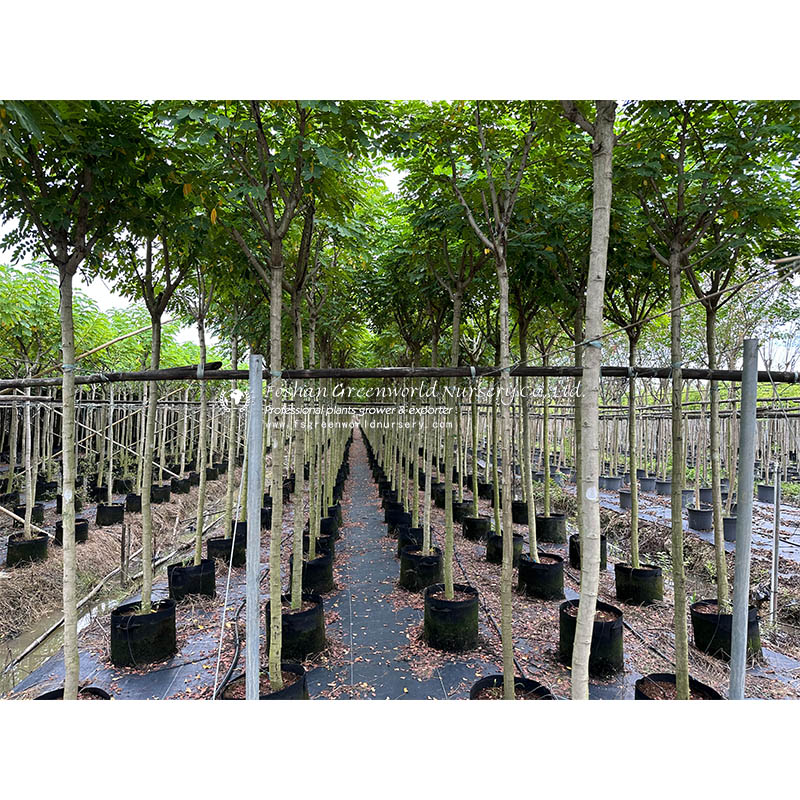
*Thespesia populneoides* is a hardy, fast-growing tree native to tropical regions, often praised for its dense canopy, vibrant flowers, and ability to thrive in challenging climates and soil conditions. The species is increasingly favored for reforestation projects, roadside plantations, and urban parks due to its resilience against pollution and pests. Moreover, its flowering nature adds a splash of color to concrete jungles, enhancing urban biodiversity.
The tree's ecological role includes providing shelter and food for various bird species, bees, and other pollinators, making it an essential species in maintaining urban ecosystem health. The timber of *Thespesia populneoides* also has economic value, used in furniture making and traditional medicine, further integrating the species into socio-economic frameworks of local communities.
**A Spectrum of Species for Urban Greening Initiatives**
A comprehensive approach to urban forestry demands a varied palette of species that can collectively address environmental challenges and aesthetic needs. A reputable company specializing in horticulture and landscaping has introduced a robust portfolio of tree species, aiming to enhance biodiversity, support environmental sustainability, and create visually appealing urban spaces.
Among these are iconic species such as:
- **Lagerstroemia indica (Crape Myrtle)**: Known for its colorful summer flowers and smooth bark, this species brings vibrant hues and texture variation to urban gardens and streetscapes.
- **Delonix regia (Flamboyant Tree)**: Famous for its flamboyant red-orange flowers and umbrella-shaped canopy, it provides excellent shade and beautification.
- **Hibiscus tiliaceus and Hibiscus tiliaceus var. rubra**: These variants offer lush greenery and blossoms, thriving in coastal and tropical environments, thus ideal for enhancing seaside parks or promenades.
- **Pongamia pinnata**: A nitrogen-fixing tree recognized for its role in rehabilitating degraded lands and its biofuel potential.
- **Albizia saman (Rain Tree)**: Valued for its extensive canopy and ability to enrich soils with nitrogen.
- **Millingtonia hortensis (Indian Cork Tree)**: With its aromatic white flowers, it enriches urban fragrance and attracts pollinators.
- **Ficus nitida**: A popular shade tree with an impressive root structure, suited for large parks and boulevards.
- **Peltophorum species**: Known for their beautiful yellow flowers and adaptability.
- **Ginkgo biloba**: A living fossil recognized for its fan-shaped leaves and remarkable resilience to pollution and urban stresses.
- **Magnolia grandiflora**: This evergreen species boasts large, fragrant flowers and glossy leaves, popular in ornamental horticulture.
- **Photinia serrulata**: Frequently used as hedges or ornamental trees, it adds texture with its serrated leaves and red young growth.
- **Cinnamomum camphora (Camphor Tree)**: Valued for its fragrant wood and wide canopy shade.
- **Prunus yedoensis (Yoshino Cherry)**: Celebrated for its spectacular spring cherry blossoms, enhancing cultural and tourist appeal.
- **Trachycarpus fortunei (Windmill Palm)**: Adds a tropical flair and vertical interest in urban plantings.
- **Tecoma stans**: Features bright yellow trumpet-shaped flowers, attracting hummingbirds and butterflies.
- **Wodyetia bifurcata (Foxtail Palm)**: A striking palm tree valued for landscape elegance.
- **Sea Grape (Coccoloba uvifera)**: Often utilized in coastal areas for windbreaks and erosion control.
- **Ficus religiosa (Sacred Fig Tree)** and **Ficus racemosa**: Both species hold cultural significance and support biodiversity by providing food and habitat for many species.
**Integrating Diverse Species for Sustainable Urban Landscapes**
The company’s extensive roster reflects a strategic vision to incorporate diverse species that complement each other ecologically while meeting urban planning objectives. By offering species like *Thespesia populneoides* alongside the others mentioned, the company is empowering municipalities, developers, and landscape architects to design green spaces that are resilient, ecologically functional, and visually inspiring.
For instance, the inclusion of nitrogen-fixing trees like *Albizia saman* and *Pongamia pinnata* supports soil health and reduces the need for synthetic fertilizers. Ornamental species like *Lagerstroemia indica* and *Delonix regia* enhance community well-being by creating attractive gathering spaces and seasonal interest. Meanwhile, durable species such as *Ginkgo biloba* and *Ficus nitida* provide reliable shade and pollution mitigation, essential for urban heat island effect reduction.
**Green Solutions for Future Cities**
As cities strive to balance growth with environmental stewardship, embracing a diverse mix of trees is an indispensable strategy. *Thespesia populneoides* exemplifies the kind of multipurpose species that urban planners and environmentalists increasingly prioritize.
The thoughtful cultivation and distribution of these species by industry leaders underpin broader goals—carbon sequestration, biodiversity preservation, and community health. Moreover, their work highlights the vital role of nurseries and landscape suppliers as partners in building sustainable urban ecosystems.
**Concluding Thoughts**
In the grand tapestry of urban forestry, each species plays a unique role. The growing prominence of *Thespesia populneoides*, paired with a spectrum of other remarkable trees, signals a promising future for green cities. With continued innovation and collaboration, the integration of such species into urban landscapes will support not just environmental resilience but also enhance the quality of urban life for generations to come.
---
If you have further customization needs or want the article tailored for a particular audience or publication, please let me know!