
In recent years, urban landscaping has gained tremendous importance, not only for enhancing the aesthetic appeal of city environments but also for improving air quality, providing shade, and fostering biodiversity. Among the variety of plant species used in urban landscapes, several trees and shrubs stand out for their resilience, beauty, and ecological benefits. This article explores a range of species commonly utilized in landscaping projects, highlighting their characteristics and the roles they play in creating sustainable and vibrant urban spaces.
**Versatile Trees for Urban Green Spaces**
One of the most popular choices for landscaping is *Lagerstroemia indica*, commonly known as crape myrtle. This species is celebrated for its striking flowers that bloom in shades of pink, white, red, and purple during the summer months. Its adaptability to various soil types and its resistance to drought make it a favored tree for city environments where maintenance needs to be minimal yet impactful.
Another noteworthy species is *Delonix regia*, the flamboyant tree, recognized worldwide for its magnificent display of fiery red flowers. It provides excellent shade due to its broad canopy, making it ideal for parks and streetscapes in tropical and subtropical regions. Its fast growth and vibrant flair contribute significantly to urban beautification efforts.
The *Hibiscus tiliaceus* and its red variant, *Hibiscus tiliaceus rubra*, are also valuable for landscaping. These trees produce large, attractive flowers and grow well in coastal areas due to their salt tolerance. Their ability to stabilize soil makes them practical choices for erosion control as well.
*Pongamia pinnata*, commonly known as the Indian beech tree, is a multipurpose plant often used in urban greening. This species fixes nitrogen in the soil, enhancing fertility, and its seeds can be a source of biofuel, combining ecological benefits with economic potential.
*Albizia saman*, or the rain tree, is widely planted in urban parks and along boulevards due to its expansive umbrella-shaped canopy, offering ample shade. It supports a myriad of bird species and contributes to the urban ecosystem's diversity.
**Ornamental and Functional Shrubs**
Shrubs such as *Millingtonia hortensis*, also called the Indian cork tree, are prized for their fragrant white flowers and delicate foliage. These trees brighten streets and gardens, often attracting pollinators that enrich surrounding plant life.
*Ficus nitida*, known as the Indian laurel fig, is notable for its dense foliage and the ability to form attractive bonsai shapes. Its robust nature allows it to tolerate urban pollution, and it’s often planted for noise reduction and privacy screens.
*Peltophorum* species provide a splash of yellow with their bright flowers and are utilized extensively in urban landscaping to create vibrant avenues and park precincts.
*Ginkgo biloba*, a living fossil, offers unique fan-shaped leaves that turn brilliant yellow in autumn. Beyond its visual appeal, the ginkgo tree is resilient to pests and urban pollution, making it a symbol of endurance in cityscapes worldwide.
The *Magnolia grandiflora* is another evergreen favorite, with its large, fragrant white flowers and glossy leaves. This species adds elegance to gardens and public spaces while also providing habitat for local wildlife.
**Diverse Species for Sustainable Landscapes**
*Photinia serrulata* cascadely brings year-round color to urban landscapes with its glossy red young leaves and clusters of white flowers. Its high tolerance for pruning makes it a versatile hedge or screen plant.
*Tropical species* such as *Cinnamomum camphora* (camphor tree) and *Prunus yedoensis* (Yoshino cherry) are used to add seasonal interest through their distinctive aromas and beautiful spring blossoms, respectively.
*Trachycarpus fortunei*, a hardy palm species, introduces an exotic flair to temperate urban areas while being cold-tolerant relative to other palms.
*Tecoma stans*, often referred to as yellow bells, produces vivid yellow tubular flowers that support pollinators like bees and hummingbirds, contributing to urban biodiversity.
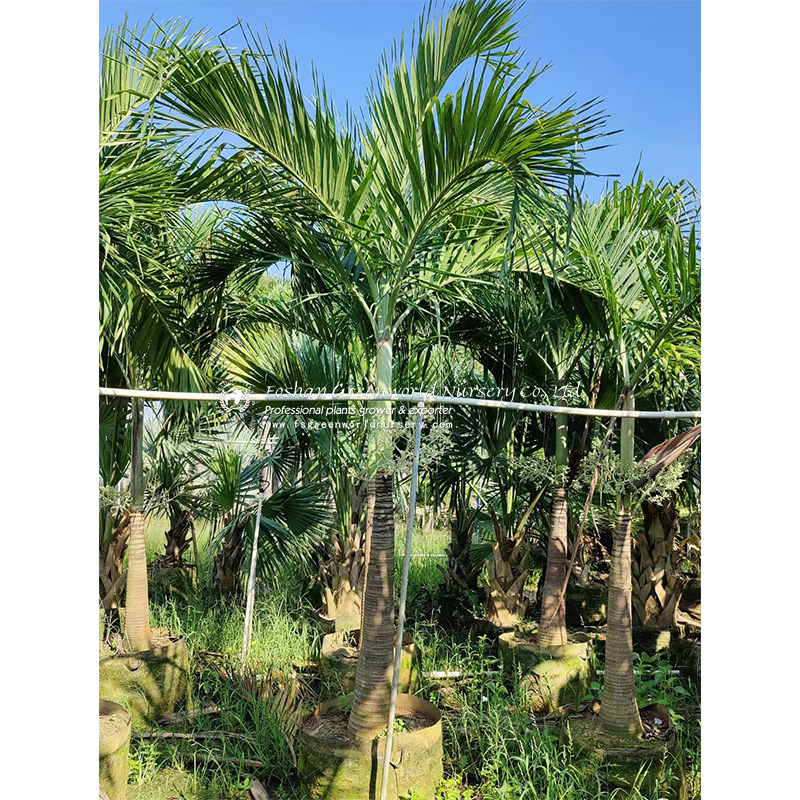
*Wodyetia bifurcata* (foxtail palm) is appreciated for its unique, feathery fronds and tolerance to a variety of soil and climatic conditions, enhancing tropical landscaping themes.
Coastal and drought-tolerant species, such as the *Sea Grape Plant* (Coccoloba uvifera), thrive in coastal urban settings, offering erosion control and distinctive foliage and fruit clusters that attract birds.
**Sacred and Cultural Significance**
Certain species hold cultural and spiritual importance in many urban communities. *Ficus religiosa*, the sacred fig tree, is revered in various traditions and often planted near temples and meditation centers. Similarly, *Ficus racemosa* is valued not only for its religious significance but also for its ecological benefits, as its figs provide a vital food source for many bird species.
**Conclusion**
By integrating a mix of resilient and visually appealing plant species into urban landscapes, cities can create greener, healthier, and more inviting environments. These plants not only beautify but also serve functional ecological roles by improving air quality, supporting wildlife, and mitigating urban heat. As urban areas continue to expand, thoughtful selection and planting of diverse species like *Lagerstroemia indica*, *Delonix regia*, *Albizia saman*, and *Ginkgo biloba* will remain crucial to sustainable city planning and environmental stewardship.
Embracing such diversity in flora not only enhances aesthetic value but also enriches the lives of urban residents, linking city dwellers with nature and fostering a sense of community and well-being.