
In recent years, there has been a growing appreciation for the role of trees not only in enhancing the aesthetic value of landscapes but also in contributing to environmental sustainability and improving urban living conditions. Among the wide variety of trees that adorn parks, gardens, streets, and private properties, several species stand out due to their unique features, adaptability, and benefits. This article delves into some notable trees, including Palma Phoenix Roebelenii, Lagerstroemia Indica, Delonix Regia, Hibiscus Tiliaceus, Pongamia Pinnata, Albizia Saman, Millingtonia Hortensis, Ficus Nitida, Peltophorum, Ginkgo Biloba, Magnolia Grandiflora, Photinia Serrulata, Cinnamomum Camphora, Prunus Yedoensis, Trachycarpus Fortunei, Tecoma Stans, Wodyetia Bifurcata, Sea Grape Plant, Ficus Religiosa (Sacred Fig Tree), and Ficus Racemosa, which have gained prominence due to their unique characteristics and ecological importance.
### Palma Phoenix Roebelenii – Elegance in Compact Form
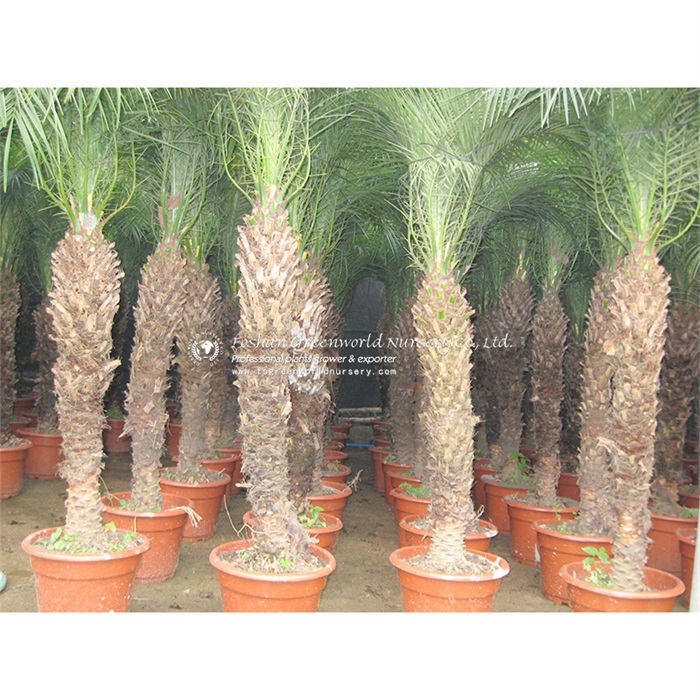
Palma Phoenix Roebelenii, commonly known as the Pygmy Date Palm, is a small, elegant palm tree cherished for its delicate, feathery fronds and manageable size. Its slow growth and ability to thrive in shaded indoor or outdoor locations make it a favorite in residential landscaping and indoor environments. The palm does not just add beauty but also aids in air purification, enhancing indoor air quality when used as a houseplant.
### Lagerstroemia Indica – The Crepe Myrtle with Colorful Blooms
Lagerstroemia Indica, commonly known as the Crepe Myrtle, is celebrated for its long-lasting, vibrant flowers that bloom predominantly in summer. Available in various shades of pink, red, white, and purple, this deciduous tree brightens urban streets, parks, and gardens. Its smooth, exfoliating bark and attractive shape add multi-season interest, while its tolerance to heat and drought make it suitable for warm climates.
### Delonix Regia – The Flame Tree of Tropical Splendor
Also known as the Royal Poinciana, Delonix Regia is renowned for its flamboyant scarlet blossoms and broad umbrella-like canopy, making it a popular shade tree in tropical and subtropical regions. Its rapid growth and ability to tolerate a variety of soil types make it an ideal choice for urban afforestation projects aimed at cooling cityscapes and promoting biodiversity.
### Hibiscus Tiliaceus – Coastal Marvel
Hibiscus Tiliaceus, with variants such as Hibiscus Tiliaceus Rubra, is a hardy coastal tree known for its yellow to reddish flowers and salt tolerance. Often found along shorelines, it acts as a natural windbreak and stabilizes sandy soils, preventing erosion. Its medicinal properties and utility in traditional crafts add to its value in coastal communities.
### Pongamia Pinnata – A Tree of Multifaceted Uses
Pongamia Pinnata is a fast-growing leguminous tree valued for its nitrogen-fixing capabilities, meaning it enriches the soil by increasing its nitrogen content. It features fragrant white to pink flowers and is widely used in reforestation and agroforestry. The tree’s seeds are a source of biofuel, highlighting its role in sustainable energy solutions.
### Albizia Saman – The Rain Tree with Expansive Shade
Albizia Saman is a large canopy tree, also known as the Rain Tree, recognized for its broad, umbrella-like crown that provides extensive shade. It is favored in parks and along streets for its ability to create cool microclimates. Besides its ornamental appeal, it supports soil fertility and provides habitat for various wildlife species.
### Millingtonia Hortensis – The Indian Cork Tree with Fragrant Blooms
Native to South Asia, Millingtonia Hortensis is admired for its tall, slender silhouette and fragrant white flowers, often blooming at night. Its fast growth and adaptability to urban conditions make it a preferred species for roadside plantations and urban green belts.
### Ficus Nitida and Peltophorum – Urban Giants
Ficus Nitida, often used as a shade tree in tropical urban areas, is known for its thick, dense canopy and aerial roots that create dramatic visual effects. Peltophorum, including species like Peltophorum pterocarpum (Copperpod), flaunts bright yellow flowers and rapid growth, making it suitable for large-scale plantations requiring quick cover.
### Ginkgo Biloba – The Ancient Living Fossil
Ginkgo Biloba, native to China, is a living fossil – a species dating back over 200 million years. It is valued for its distinctive fan-shaped leaves, which turn bright yellow in fall, and remarkable resistance to pollution and pests. Its resilience makes it a prized tree in urban environments worldwide.
### Magnolia Grandiflora and Photinia Serrulata – Floral Beauties
Magnolia Grandiflora is loved for its enormous, fragrant white flowers and glossy evergreen leaves, often planted in parks and large gardens. Photinia Serrulata, with its vivid red young leaves and clusters of white flowers, is an excellent choice for hedges and ornamental borders, contributing color and texture to landscapes.
### Cinnamomum Camphora – The Aromatic Camphor Tree
Cinnamomum Camphora is notable for its aromatic leaves and wood, which are sources of camphor used in traditional medicine and industry. This large, evergreen tree is also planted for shade and ornamental value in subtropical urban areas.
### Prunus Yedoensis – The Iconic Cherry Blossom
Famous for its delicate pale pink flowers, Prunus Yedoensis is a favorite in temperate climates and a symbol of spring renewal in many cultures. The tree’s stunning floral display attracts tourists and nature lovers during blooming seasons.
### Trachycarpus Fortunei and Wodyetia Bifurcata – Hardy Palms
Trachycarpus Fortunei, known as the Windmill Palm, is prized for its cold tolerance compared to other palms and is widely used in ornamental horticulture. Wodyetia Bifurcata, or the Foxtail Palm, enchants with its feathery fronds and has become a popular landscape palm.
### Tecoma Stans and Sea Grape Plant – Colorful and Coastal Choices
Tecoma Stans produces vivid yellow trumpet-shaped flowers, making it a lively addition to gardens and public spaces. The Sea Grape Plant thrives in coastal environments, tolerating salt spray and sandy soils, and produces clusters of edible grape-like fruits.
### Sacred Fig (Ficus Religiosa) and Ficus Racemosa – Trees of Cultural and Ecological Significance
The Sacred Fig, or Ficus Religiosa, holds spiritual significance in various cultures and religions. Known for its large heart-shaped leaves and longevity, it provides shade and habitat for numerous species. Similarly, Ficus Racemosa offers ecological benefits, bearing fig fruits that support wildlife and human use.
### Conclusion
The diversity of these trees—from palms like Palma Phoenix Roebelenii to sturdy shade giants like Albizia Saman and culturally significant trees like the Sacred Fig—illustrates the multifaceted roles trees play in our ecosystems and societies. Whether for their ornamental charm, environmental benefits, or cultural values, these species continue to shape greener, healthier, and more vibrant environments around the world. As urbanization intensifies, incorporating such diverse trees in planning and landscaping becomes vital for ensuring sustainable and resilient urban ecosystems.