
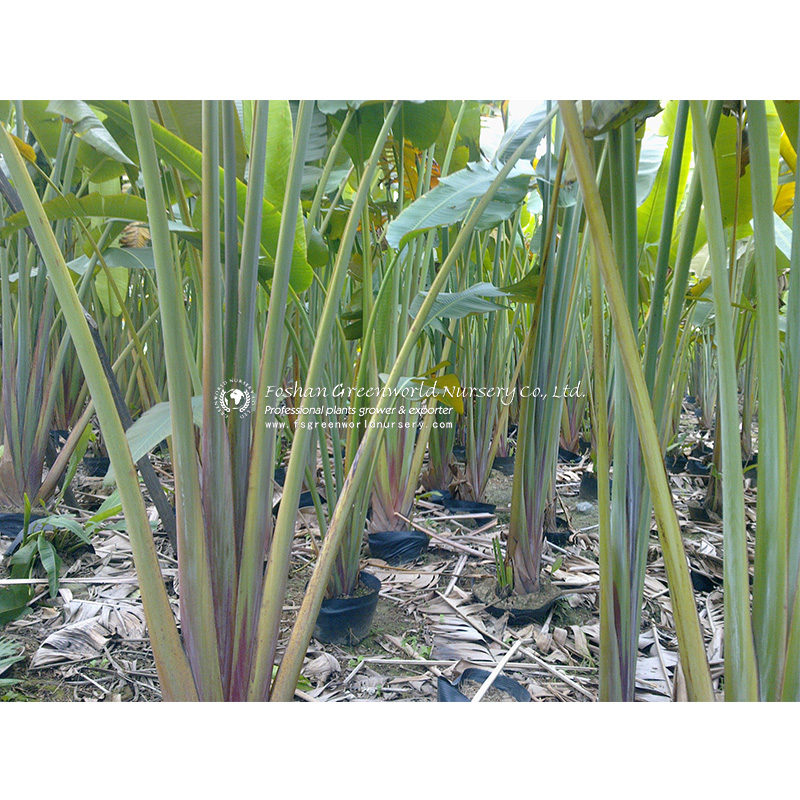
In an ambitious move to enhance urban greenery, a variety of tree species have been introduced across several cities, reflecting a renewed commitment to environmental sustainability and beautification. Among the most notable is the vibrant Delonix regia, widely known for its striking canopy and bright red flowers, which has become a favorite choice in urban landscaping projects. This effort is further strengthened by the inclusion of numerous other species such as Lagerstroemia indica, Hibiscus tiliaceus, Pongamia pinnata, Albizia saman, Ficus nitida, Ginkgo biloba, and many more, representing a diverse botanical repertoire that offers ecological, aesthetic, and social benefits.
### The Importance of Urban Forestry
The growing concerns about climate change, air pollution, and urban heat islands have prompted municipalities and environmental organizations to prioritize urban forestry. Trees play a pivotal role in improving air quality by absorbing carbon dioxide and releasing oxygen. Moreover, they act as natural air filters by trapping dust and pollutants while mitigating noise pollution through their leafy canopies.
Delonix regia, with its wide-spreading branches and brilliant red blossoms, not only adds color and charm to urban landscapes but also provides extensive shade, reducing street-level temperatures during hot seasons. This contributes significantly to the alleviation of urban heat island effects, enhancing the comfort and well-being of city inhabitants.
### Diverse Species for a Resilient Urban Ecosystem
Relying on a variety of tree species is crucial for creating resilient green spaces. Uniform plantations are vulnerable to pests and diseases, which can decimate entire urban forests, while biodiversity promotes ecological balance and helps sustain healthy environments.
Among the recently highlighted species:
- **Lagerstroemia indica** (commonly known as crape myrtle) is valued for its long-lasting summer flowers and adaptability to varied urban conditions.
- **Hibiscus tiliaceus**, available in its rubra (red) variant, brings lush foliage and sizeable flowers, ideal for both ornamental and shade purposes.
- **Pongamia pinnata** is known for its nitrogen-fixing capabilities, enhancing soil fertility.
- **Albizia saman**, commonly called the rain tree, offers a broad umbrella-like canopy that supports shade-dependent flora and fauna.
- **Ficus nitida**, a robust fig species, provides dense shade and supports biodiversity by offering fruits for birds and animals.
- **Ginkgo biloba**, a living fossil tree, is renowned for its resilience and stunning autumn foliage.
- **Magnolia grandiflora** lends a fragrant and glossy-leafed presence to gardens and streets.
- **Photinia serrulata** offers colorful red young leaves and small white flowers, attracting pollinators.
Additional species such as Millingtonia hortensis, Peltophorum, Cinnamomum camphora (camphor tree), Prunus yedoensis (Japanese cherry), Trachycarpus fortunei (windmill palm), Tecoma stans, Wodyetia bifurcata (foxtail palm), sea grape plants, and several ficus varieties, including Ficus religiosa (sacred fig) and Ficus racemosa, contribute to a mosaic of green infrastructure designed for maximum ecological function and urban appeal.
### Ecological and Social Benefits
The planting of these diverse species offers multifaceted benefits:
1. **Climate Regulation**: Trees provide shade and mitigate temperature extremes, playing a vital role in urban climate regulation.
2. **Air Quality Improvement**: Many of the species selected are effective at absorbing pollutants, contributing to healthier urban environments.
3. **Enhancement of Biodiversity**: Trees such as Ficus species and Albizia saman support various bird species, insects, and small mammals.
4. **Aesthetic and Psychological Benefits**: The presence of colorful and flowering trees like Lagerstroemia indica and Delonix regia uplift urban aesthetics, promoting mental wellness.
5. **Soil Conservation and Water Management**: With nitrogen-fixing species like Pongamia pinnata, soil fertility improves, while trees with deep root systems help in water infiltration and erosion control.
### Community Participation and Maintenance
Successful urban planting programs demand community awareness and active participation. Local residents are encouraged to get involved in tree planting drives and the care of young saplings. Educational campaigns accompany these efforts, emphasizing the roles these trees play in sustaining a livable environment.
Municipal authorities also commit to systematic maintenance, including watering, pruning, and health monitoring of the trees. This ensures high survival rates and the sustained benefits of urban greenery for future generations.
### Looking Forward
The integration of diverse tree species into urban planning reflects a holistic approach to ecological restoration and city beautification. Beyond enhancing urban life quality, these initiatives contribute to global efforts to counter climate change impacts and preserve botanical heritage.
As cities continue to expand, prioritizing green spaces with species like Delonix regia and others mentioned will remain a key strategy in promoting sustainable urban environments. This forward-thinking approach aligns environmental stewardship with social responsibility, paving the way for healthier, greener urban futures.
---
By adopting a diversity of species with unique ecological and aesthetic values, urban landscapes can transform into thriving green ecosystems. This is a decisive step toward meeting the challenges of urbanization while fostering resilience, beauty, and health for all city dwellers.