
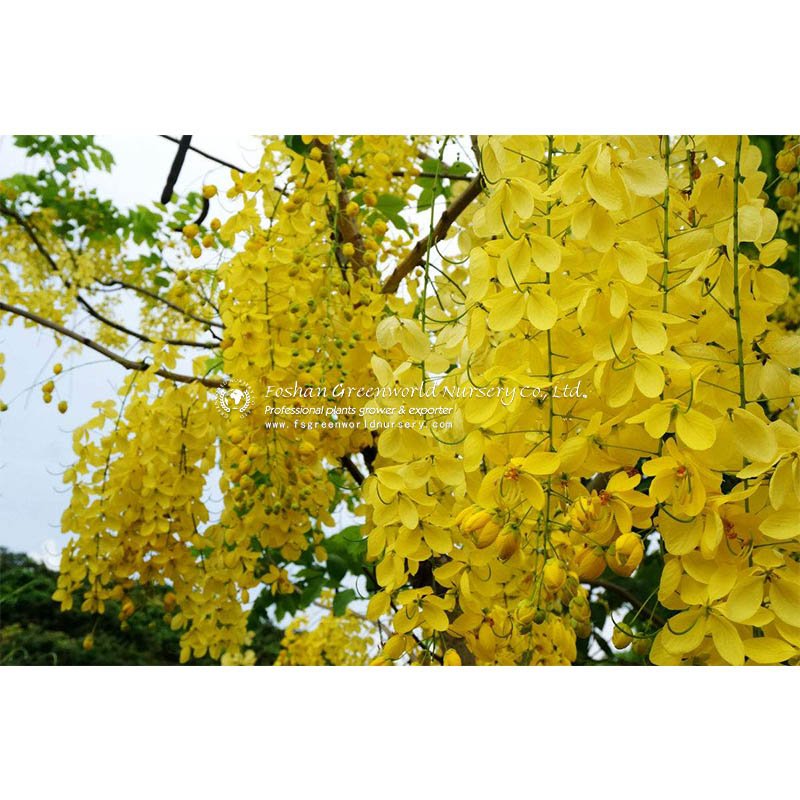
As urban areas continue to expand and the demand for greener, healthier environments grows, the focus on selecting diverse and resilient tree species for landscaping and urban forestry is more critical than ever. Among the favored trees for such purposes is the Southern Magnolia Grandiflora, a majestic evergreen renowned for its large, fragrant white flowers and glossy leaves. Alongside this species, a broad array of trees including Lagerstroemia Indica, Delonix Regia, Hibiscus Tiliaceus, and several others, play a vital role in enhancing urban ecosystems, providing shade, beauty, and ecological benefits.
### Southern Magnolia Grandiflora: A Timeless Urban Icon
The Southern Magnolia Grandiflora is widely appreciated in many cities for its year-round greenery and impressive botanical characteristics. This large tree, known for its broad, dark green leaves and magnificent creamy-white blooms, adds an element of sophistication to parks, boulevards, and residential landscapes. Its ability to flourish in subtropical and temperate climates makes it ideal for urban forestry programs aiming to increase green cover and enhance biodiversity.
Beyond aesthetics, the Southern Magnolia Grandiflora serves multiple environmental functions. Its dense canopy provides ample shade, helping to reduce the urban heat island effect commonly experienced in metropolitan areas. Additionally, it acts as a natural air filter, trapping particulate matter and improving air quality by absorbing carbon dioxide and releasing oxygen.
### Diverse Tree Species Enriching Urban Landscapes
Complementing the Southern Magnolia Grandiflora in urban green planning is an extensive list of tree species adapted to different soil types, climates, and environmental conditions. Each species brings unique features that contribute to the health, beauty, and ecological balance of the urban environment.
- **Lagerstroemia Indica (Crape Myrtle):** Celebrated for its vibrant flowering display in summer through fall, this deciduous tree adds bright hues of pink, red, purple, and white to cityscapes. Its adaptability and moderate drought resistance make it a popular choice for streetscapes and parks.
- **Delonix Regia (Flamboyant Tree):** Known for its striking flame-colored flowers that bloom in late spring and early summer, this tropical tree offers dramatic visual interest. Its wide-spreading canopy provides excellent shade, beneficial for pedestrian-friendly urban spaces.
- **Hibiscus Tiliaceus Rubra:** This fast-growing tree with attractive reddish foliage is used primarily in coastal urban areas due to its tolerance for salt spray and wind. It provides privacy screens and acts as a windbreaker.
- **Pongamia Pinnata (Indian Beech):** Valued for its nitrogen-fixing ability, Pongamia enhances soil fertility while offering dense foliage and small yet attractive flowers. This species also plays a role in sustainable urban landscaping practices.
- **Albizia Saman (Rain Tree):** With its broad, umbrella-shaped canopy, the rain tree is favored in parks and large open spaces for its shade and ability to support local wildlife.
- **Millingtonia Hortensis:** Also known as the Indian Cork Tree, this species is prized for its fragrant white flowers and fast growth, making it ideal for quickly establishing green belts.
- **Ficus Nitida and Ficus Religiosa:** These fig trees are significant for both their cultural value and ecological roles. Ficus Nitida is commonly used in landscaping for its dense canopy, whereas Ficus Religiosa (Sacred Fig) holds religious and historical importance in many cultures.
- **Peltophorum:** The yellow-flowering species, often planted for ornamental purposes, adds seasonal color while enhancing pollinator habitats.
- **Ginkgo Biloba:** Known as a living fossil, this resilient deciduous tree boasts fan-shaped leaves that turn a brilliant gold in autumn. Its tolerance to pollution makes it a valuable component of urban forestry.
- **Photinia Serrulata, Cinnamomum Camphora, Prunus Yedoensis:** These species each bring their unique ornamental attributes, from vibrant red young leaves (Photinia) and aromatic foliage (Camphor tree), to elegant cherry blossoms (Yedoensis).
- **Trachycarpus Fortunei:** This cold-hardy palm adds a tropical feel to temperate urban settings and is often used in plazas or near water features.
- **Tecoma Stans:** Noteworthy for bright yellow trumpet-shaped flowers, it attracts pollinators and provides visual appeal.
- **Wodyetia Bifurcata (Foxtail Palm):** Distinguished by its feathery fronds, adding textural diversity to landscapes.
- **Sea Grape Plant:** Important in coastal urban regions for its salt tolerance and decorative fruit clusters.
- **Ficus Racemosa:** Another fig species recognized for its capacity to support local biodiversity.
### The Importance of Tree Diversity in Urban Ecosystems
Integrating a variety of trees such as those listed above sustains urban ecological resilience, helps manage pests and diseases, and provides continuous seasonal interest. A diverse palette not only supports wildlife, including pollinators and birds but also enhances the psychological well-being of urban populations by bringing nature closer to daily life.
Moreover, selecting trees suited to local climate and soil conditions helps reduce maintenance costs and ensures longer tree lifespans. For instance, species like Pongamia Pinnata and Hibiscus Tiliaceus thrive well in tropical coastal urban areas, whereas Ginkgo Biloba and Lagerstroemia Indica perform better in temperate zones.
### Company Commitment to Quality and Sustainability
The company specializing in providing these diverse species has a long-standing tradition of supporting urban greenery with a catalog of high-quality, healthy, and genetically diverse tree saplings. Their expertise in nursery management ensures the trees are well-cared for and ready to thrive once transplanted to urban landscapes.
By offering a wide variety of species—from grand evergreen magnolias to delicate flowering trees—the company empowers urban planners, landscape architects, and municipal authorities to implement sustainable and appealing green infrastructure projects. Such initiatives play a pivotal role in combating climate change effects, enhancing urban air quality, and improving the overall livability of cities.
### Conclusion
As cities continue to grow and evolve, the role of diverse tree species in shaping sustainable, vibrant, and livable urban spaces becomes increasingly significant. The Southern Magnolia Grandiflora, together with a rich assortment of ornamental and ecologically beneficial trees such as Lagerstroemia Indica, Delonix Regia, and many more, presents a compelling toolkit for urban greening projects worldwide.
By carefully selecting and maintaining these trees, urban areas can enjoy cleaner air, cooler environments, increased biodiversity, and aesthetic beauty—offering residents a healthier and more enjoyable place to live. With companies dedicated to providing quality trees and expert advice, the future of urban forestry looks bright and green.