
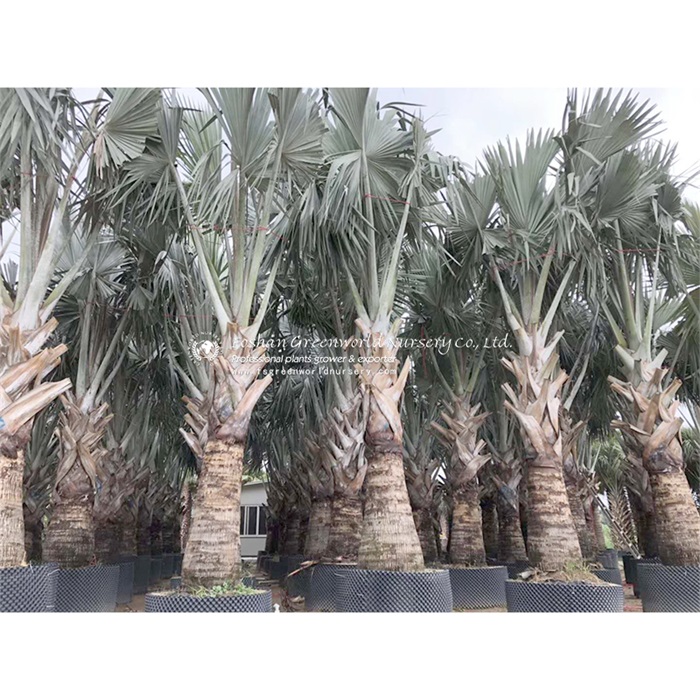
In recent years, urban landscaping and horticulture have seen significant evolution with the incorporation of aesthetically versatile and environmentally beneficial plant species. Among these, the Small Sago Palm has attracted considerable attention for its unique appeal and adaptability in various urban settings.
The Small Sago Palm, known scientifically as *Cycas revoluta*, is a compact, resilient plant that fits well into the growing trend of urban green spaces. Its lush, feathery fronds and relatively slow growth rate make it an ideal candidate for both residential gardens and commercial landscaping projects. Unlike large and cumbersome trees, the Small Sago Palm provides a tropical flair without overwhelming available space, making it particularly popular in constrained urban environments.
This trend towards diverse planting is mirrored in the expanding use of various horticultural species, as celebrated by leading landscaping companies. One such organization highlights an impressive roster of plant species that are transforming cityscapes and public areas. Their catalogue includes a mix of flowering trees, evergreen species, and iconic shade providers such as Lagerstroemia Indica, Delonix Regia, Hibiscus Tiliaceus, Pongamia Pinnata, Albizia Saman, Millingtonia Hortensis, Ficus Nitida, Peltophorum, Ginkgo Biloba, Magnolia Grandiflora, Photinia Serrulata, Cinnamomum Camphora, Prunus Yedoensis, Trachycarpus Fortunei, Tecoma Stans, Wodyetia Bifurcata, Sea Grape Plant, along with sacred bonsai varieties like Ficus Religiosa and Ficus Racemosa.
### The Appeal of the Small Sago Palm and Its Companions
The Small Sago Palm embodies many attributes that underlie modern landscaping priorities: ease of maintenance, drought tolerance, and a distinct ornamental value. Its slow growth and tough constitution mean it thrives in both urban patios and sprawling green areas without requiring excessive care. Moreover, it pairs well with a variety of other plants, contributing texture and a structural centerpiece to mixed plantings.
Complementing the Small Sago Palm are many species from the company’s extensive portfolio. For instance, *Lagerstroemia Indica*, commonly known as crape myrtle, is prized for its vibrant blossoms and extended flowering season, offering bursts of color through summer and into fall. Meanwhile, *Delonix Regia*, or the flamboyant flame tree, is known for its fiery red-orange flowers and broad canopy, an iconic shade provider in tropical to subtropical urban parks.
Species like *Hibiscus Tiliaceus* (both Rubra and generic variants) are favored for coastal landscaping, given their salt tolerance and ability to stabilize shorelines, blending utility with beauty. Likewise, *Pongamia Pinnata* is gaining recognition for its ecological benefits, including nitrogen fixation, soil improvement, and suitability for biofuel production, all while serving as ornamental greenery.
### Diversity in Urban Green Spaces: Benefits and Opportunities
Integrating such diverse plant species into urban environments enriches biodiversity and boosts the ecosystem services that greenery offers. Trees and shrubs like *Albizia Saman* (rain tree) and *Millingtonia Hortensis* contribute shade, cooling effects, and air purification. Evergreen species like *Ficus Nitida* and *Magnolia Grandiflora* add year-round foliage that supports urban wildlife habitats.
Historical and culturally significant species such as *Ficus Religiosa* and *Ficus Racemosa* provide a spiritual and aesthetic dimension to urban landscapes. Their bonsai forms are especially popular in indoor gardening and specialized outdoor settings, symbolizing longevity and wisdom.
Additionally, ornamental species like *Photinia Serrulata* create striking visual interest with their colorful new growth and dense foliage, while *Cinnamomum Camphora* (camphor tree) is valued for its aromatic leaves and use in traditional medicine.
The wide range of species—from the hardy *Trachycarpus Fortunei* palm to the vibrant *Tecoma Stans* with its bright yellow blossoms—showcases the adaptability and richness that modern horticultural companies bring to landscape design.
### Practical Applications and Future Trends
Landscapers and urban planners appreciate that maintaining plant diversity not only beautifies urban spaces but also enhances resilience against pests, diseases, and climate stresses. The Small Sago Palm, alongside the diverse species offered by innovative horticultural companies, fits well within sustainable urban development frameworks.
Their compactness, varied growth habits, and ecological roles help cities meet green space targets and improve residents’ quality of life by providing shade, reducing heat island effects, and supporting urban biodiversity.
Looking forward, the expansion of urban planting projects incorporating these species will likely continue apace as municipalities strive to balance modernization with environmental stewardship. The Small Sago Palm and botanical selections like *Sea Grape Plant* and *Wodyetia Bifurcata* enrich the palette of options available to landscape architects, ensuring that each urban green space can meet aesthetic and functional goals uniquely suited to its locale.
### Conclusion
The rising popularity of the Small Sago Palm, combined with the strategic cultivation of a broad range of plant species such as *Lagerstroemia Indica*, *Delonix Regia*, *Hibiscus Tiliaceus*, and many others, signals a promising future for urban landscaping. These plants collectively bring resilience, beauty, and ecological benefits that define the next generation of greener, healthier cities. As urban areas continue to expand, embracing such botanical diversity will be key to creating inviting, sustainable spaces that serve people and the planet alike.