
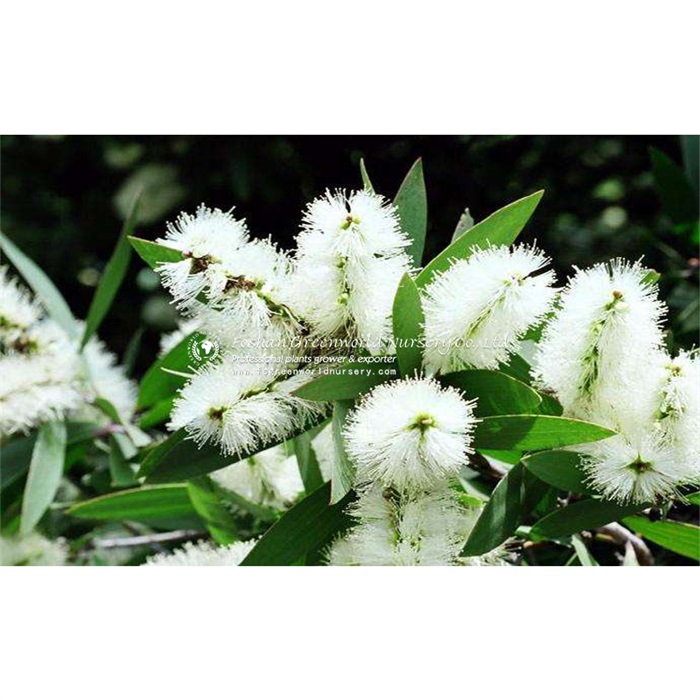
In recent years, urban planners and environmentalists have increasingly emphasized the importance of integrating greenery into city landscapes to combat the negative effects of urbanization. Among the many tree species championed for urban planting, the Sissoo tree has emerged as an exceptional choice due to its resilience, aesthetic appeal, and ecological benefits. Alongside other noteworthy species such as Lagerstroemia Indica, Delonix Regia, Hibiscus Tiliaceus, Pongamia Pinnata, and several more, the Sissoo tree plays a vital role in reshaping urban environments into vibrant, sustainable ecosystems.
### Sissoo Tree: A Glimpse into Its Significance
The Sissoo tree, scientifically known as *Dalbergia Sissoo*, is well-regarded for its fast-growing nature and adaptability across varying climates, especially in tropical and subtropical conditions. Its hardwood is valued for durability, and ecologically, it acts as a nitrogen fixer, enhancing soil health—an essential feature for urban green spaces often affected by degraded soil quality.
This tree’s broad canopy offers an excellent natural shade, reducing urban heat islands and providing relief during scorching summer months. Moreover, its ability to withstand pollution and poor soil conditions makes it an ideal species for city reforestation and roadside plantations.
### Complementary Species Enhancing Urban Greening
While the Sissoo tree stands out, it is one of many species contributing to the re-greening of urban spaces. A diverse palette of trees ensures the establishment of resilient ecosystems capable of withstanding pests, diseases, and climatic stresses. Notable species include:
- **Lagerstroemia Indica (Crape Myrtle):** Known for its vibrant, long-lasting blooms, this tree adds a splash of color to city landscapes and is remarkably drought-tolerant.
- **Delonix Regia (Flame Tree):** With its fiery red flowers, it creates visually striking avenues and is often planted in parks and campuses.
- **Hibiscus Tiliaceus (Sea Hibiscus):** Noted for its large heart-shaped leaves and bright yellow flowers, this species thrives in coastal areas and provides essential habitat for wildlife.
- **Pongamia Pinnata (Indian Beech):** Apart from its ornamental appeal, it is valued for its soil-enriching capabilities and potential as a biofuel source.
- **Albizia Saman (Rain Tree):** Famous for its expansive umbrella-like canopy, the rain tree offers significant shade, supporting both human recreation and wildlife habitats.
### Expanding Biodiversity with Additional Tree Species
Urban forestry benefits profoundly from biodiversity — a mix of tree species contributes to ecological balance and a visually appealing environment. Other trees gaining popularity in urban settings include:
- **Millingtonia Hortensis:** Often called the “Indian cork tree,” it is known for its fragrant white flowers and fast growth.
- **Ficus Nitida (Indian Laurel Fig):** A robust tree often used for bonsai or shade, it provides a dense canopy.
- **Peltophorum:** With its bright yellow blossoms, it is a favorite for creating lively urban scenes.
- **Ginkgo Biloba:** An ancient species with distinctive fan-shaped leaves, appreciated both for its beauty and air-purifying qualities.
- **Magnolia Grandiflora:** Known for large, fragrant flowers and glossy leaves, it adds elegance to parks and boulevards.
- **Photinia Serrulata:** Appreciated for colorful new leaves and white flowers, often used in hedges or ornamental planting.
- **Cinnamomum Camphora (Camphor Tree):** This evergreen is known for its aromatic leaves and medicinal properties.
- **Prunus Yedoensis (Yoshino Cherry):** Famous for its delicate pink blossoms, it symbolizes spring and renewal.
- **Trachycarpus Fortunei (Windmill Palm):** Adds tropical flair with its fan-shaped leaves and cold tolerance.
- **Tecoma Stans:** Boasts trumpet-shaped yellow flowers, attracting pollinators.
- **Wodyetia Bifurcata (Foxtail Palm):** A graceful palm species enhancing tropical aesthetics.
- **Sea Grape Plant:** Adapted for coastal areas, its fruits and broad leaves provide both sustenance and shade.
- **Ficus Religiosa (Sacred Fig Tree):** Revered culturally and ecologically important for urban wildlife.
- **Ficus Racemosa:** Known for its aerial roots and fruit, supporting biodiversity in cities.
### Benefits of Integrating Diverse Tree Species in Urban Areas
Urban greening initiatives that feature a rich variety of tree species deliver multifaceted benefits:
1. **Environmental Impact:** Trees act as natural air filters, reducing pollution by absorbing particulate matter and producing oxygen. Species like Ginkgo Biloba and Camphor trees are especially efficient in this role.
2. **Cooling Effect:** Through evapotranspiration and shading, trees lower temperatures in urban heat islands, improving city dwellers’ quality of life.
3. **Biodiversity Support:** Flowering and fruit-bearing trees such as Delonix Regia and Ficus species foster habitats for birds, insects, and small mammals, promoting urban biodiversity.
4. **Aesthetic and Recreational Value:** Colorful blossoms and lush foliage enhance the visual appeal of urban spaces, encouraging outdoor activities and community bonding.
5. **Health and Well-being:** Green spaces reduce stress, improve mental health, and promote physical activity among residents.
6. **Soil Conservation:** Trees like Pongamia Pinnata improve soil fertility, critical in degraded urban lands.
### The Way Forward: Urban Forestry Strategies
To maximize the benefits of urban trees, city planners and environmental organizations must adopt careful selection strategies. Prioritizing native and adaptable species ensures sustainability and minimal maintenance. The selection should also consider diversity to mitigate risks from pests and climatic changes.
Community involvement plays a crucial role in urban forestry success. Educating the public about the importance of trees, encouraging participation in plantation drives, and protection of existing green cover is essential. Programs incorporating species like Sissoo and others from the extensive list introduce ecological resilience and cultural enrichment to urban environments.
### Conclusion
The Sissoo tree, together with an array of species such as Lagerstroemia Indica, Delonix Regia, Hibiscus Tiliaceus, and Ficus Religiosa, represents a beacon of hope for urban greening efforts worldwide. Their combined ecological, aesthetic, and social benefits illustrate the profound role trees play in crafting healthier, more sustainable cities. As urban areas continue to expand, embracing biodiversity through thoughtful tree planting is not just desirable—it is imperative for the future of urban living.
---
This news feature highlights integral tree species contributing to urban greenery, underscoring the importance of ecological diversity and sustainability in city planning efforts.