
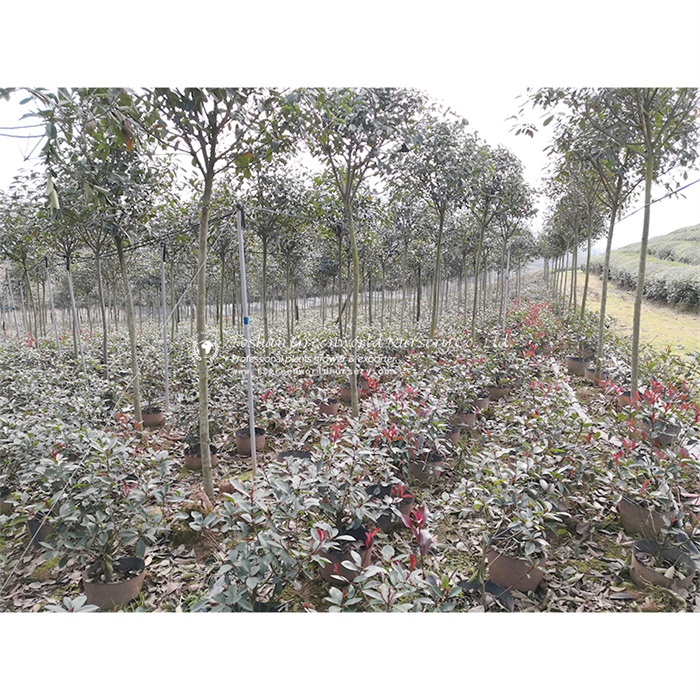
In recent years, urban greenery has become an essential focus for city planners, environmentalists, and communities aiming to create sustainable, healthy, and visually appealing environments. A recent development in this field highlights the increasing popularity and benefits of the Sea Hibiscus Variegated, a striking ornamental plant known for its vibrant foliage and adaptability. This plant, when combined with a diverse range of complementary species such as Lagerstroemia Indica, Delonix Regia, Hibiscus Tiliaceus, and others, promises to transform urban landscapes, offering ecological, aesthetic, and practical advantages.
### The Appeal of Sea Hibiscus Variegated
The Sea Hibiscus Variegated stands out with its lush, variegated leaves that add texture and color variation to gardens and public spaces. Its ability to thrive in coastal and urban conditions makes it an ideal choice for city environments. Not only does this plant contribute to environmental health by improving air quality and providing shade, but it also enhances the visual appeal of urban landscapes with its unique, eye-catching foliage.
### Complementary Plant Species for a Thriving Ecosystem
Incorporating Sea Hibiscus Variegated into green spaces alongside a variety of other plant species can create a rich, biodiverse environment. Species such as Lagerstroemia Indica, commonly known as Crepe Myrtle, are prized for their long-lasting summer blooms and tolerance to heat and drought. These trees provide vibrant splashes of pink, purple, and white, attracting pollinators and benefitting urban biodiversity.
The inclusion of Delonix Regia, or the Flame Tree, adds a tropical flair with its fiery red flowers and broad canopies, providing shade and cooling effects that are critical in urban heat islands. Similarly, Hibiscus Tiliaceus in its Rubra variety contributes large, beautiful flowers and robust growth, suitable for coastal areas prone to salt spray.
### Expanding Diversity with Functional and Ornamental Trees
Beyond aesthetic value, the selection of trees like Pongamia Pinnata offers environmental benefits such as nitrogen fixation, which enriches soil fertility and supports surrounding flora. Albizia Saman, also called the Rain Tree, is a fast-growing species that creates ample shade and helps lower temperatures in urban settings.
Other notable species include Millingtonia Hortensis with its fragrant white flowers, and Ficus Nitida, valued for its dense foliage and ability to form natural canopies. These species contribute to air purification and offer habitat for urban wildlife.
Peltophorum and Ginkgo Biloba are additional interesting choices for urban greenery. The Golden Yellow Peltophorum brightens spaces with vibrant blossoms, while the ancient Ginkgo Biloba, known for its unique fan-shaped leaves and resilience, brings historical and botanical significance to urban forestry.
### Magnolia Grandiflora and Photinia Serrulata: Ornamental Elegance
Magnolia Grandiflora, with its large, glossy leaves and fragrant white flowers, adds a classic Southern charm to landscapes. Its evergreen nature ensures year-round greenery, stabilizing visual continuity in garden design. Meanwhile, Photinia Serrulata provides striking red young leaves that contrast beautifully with mature foliage, offering dynamic seasonal color changes.
### Essential Shade and Supportive Species
Trees such as Cinnamomum Camphora (Camphor Tree) and Prunus Yedoensis (Yoshino Cherry), known for their aromatic wood and beautiful spring blossoms respectively, enhance the sensory experience of urban green spaces. Trachycarpus Fortunei, a hardy palm, adds vertical interest and can withstand urban pollution and variable climate conditions.
Tecoma Stans, known as Yellow Bells, and Wodyetia Bifurcata (Foxtail Palm) contribute bright yellow flowers and lush palms, adding textural and color diversity. Sea Grape Plant, with its broad leaves and grape-like fruit clusters, provides windbreaks and edible qualities beneficial to both wildlife and people.
### Sacred and Bonsai Figs for Cultural and Visual Impact
Integrating Ficus Religiosa, also called the Sacred Fig Tree, along with Ficus Racemosa and miniature bonsai variations, brings cultural depth and spiritual symbolism to urban greenery projects. These figs provide dense, umbrella-like canopies, making them perfect for shady retreats within busy city parks.
### Towards Sustainable Urban Landscapes
The deliberate selection and combination of plants like the Sea Hibiscus Variegated alongside this diverse palette of trees and shrubs promote sustainable and resilient urban ecosystems. These plants collectively improve air quality, enhance urban biodiversity, provide cooling shade, and create vibrant, multi-layered landscapes that engage communities with nature.
By investing in such comprehensive plantings, cities can address environmental challenges including urban heat islands, declining biodiversity, and pollution. Moreover, green spaces enriched with this variety of species have been linked to improved mental health, social cohesion, and increased property values.
### Conclusion
With the growing emphasis on creating greener cities, the Sea Hibiscus Variegated and a multitude of complementary species such as Lagerstroemia Indica, Delonix Regia, Hibiscus Tiliaceus, and others represent a promising future in urban landscaping. Their combined benefits—from ecological resilience and aesthetic diversity to cultural significance—underscore the importance of thoughtful plant selection in enriching urban life.
As municipalities, developers, and communities seek to green their surroundings, embracing such diverse, adaptable flora is essential to building urban environments that are both beautiful and sustainable. The integration of these plants provides a holistic approach to urban forestry that benefits both people and the planet, heralding a greener, healthier future for cities worldwide.