
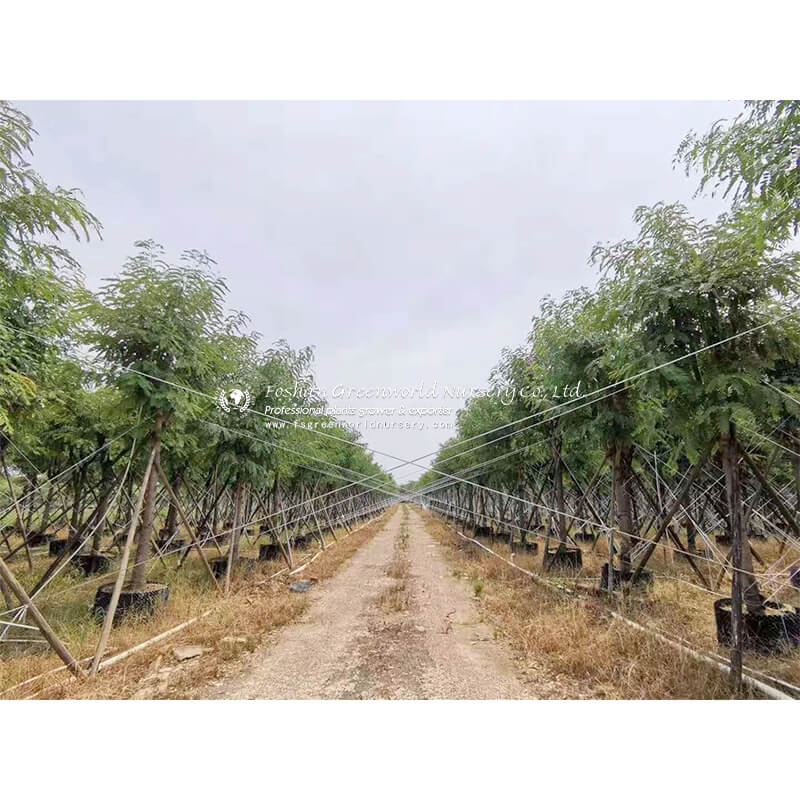
As cities continue to expand rapidly, urban greening has become a pivotal part of sustainable development and environmental conservation. One notable species gaining attention in urban landscaping and reforestation projects is the Sea Hibiscus tree, known for its resilience and aesthetic appeal. This article explores the significance of the Sea Hibiscus tree alongside a curated selection of other prominent plant varieties used in urban and ecological enhancement initiatives.
### The Sea Hibiscus Tree: A Coastal Guardian
The Sea Hibiscus tree (Hibiscus tiliaceus) is a hardy species commonly found in tropical and subtropical coastal regions. Renowned for its wide, heart-shaped leaves and beautiful yellow flowers that bloom year-round, this tree is not only visually striking but also highly adaptable to saline environments, making it ideal for coastal urban greening.
Its extensive root system helps stabilize sandy soils and prevent coastal erosion, which is a crucial ecological benefit in areas vulnerable to rising sea levels and storms. Moreover, the Sea Hibiscus provides shade and shelter for various wildlife species, contributing to biodiversity within urban settings.
### Diverse Plant Species for Urban and Ecological Renewal
In addition to the Sea Hibiscus, urban greening projects extensively utilize a variety of other trees and plants to create resilient, ecologically balanced green spaces. The following species represent an eclectic mix of ornamental, shade-providing, and ecologically beneficial plants suitable for planting in city environments:
- **Lagerstroemia Indica (Crape Myrtle):** Known for its vibrant blooms and smooth bark, this deciduous tree adds seasonal color and is appreciated for its drought tolerance.
- **Delonix Regia (Flame Tree):** Famous for its flamboyant red flowers and broad canopy, this species is often planted in parks and along avenues for shade and ornamental purposes.
- **Hibiscus Tiliaceus Rubra:** A variant of the Sea Hibiscus, this tree exhibits striking reddish foliage and flowers, enhancing visual diversity in landscape designs.
- **Pongamia Pinnata:** Also known as the Indian Beech, it is valued for its nitrogen-fixing ability, aiding in soil fertility and ecological restoration.
- **Albizia Saman (Rain Tree):** This fast-growing species with a sprawling canopy provides excellent shade and supports numerous bird species.
- **Millingtonia Hortensis (Indian Cork Tree):** Known for its fragrant white flowers, it is often used for street planting due to its elegant appearance.
- **Ficus Nitida:** A robust fig tree species widely adopted in urban planting for its dense canopy and air-purifying properties.
- **Peltophorum:** Often planted for its bright yellow flowers and ability to thrive in various soil conditions.
- **Ginkgo Biloba:** An ancient tree species known for its unique fan-shaped leaves and medicinal properties, it complements urban green spaces with its historical and ecological significance.
- **Magnolia Grandiflora:** An evergreen tree with large, fragrant white flowers, often incorporated in parks and gardens for aesthetic appeal.
- **Photinia Serrulata:** A popular shrub or small tree used for hedges, providing privacy and seasonal red foliage.
- **Cinnamomum Camphora (Camphor Tree):** Valued for its shade and aromatic leaves, this tree is a staple in traditional medicinal and landscaping uses.
- **Prunus Yedoensis (Yoshino Cherry):** Famous for its ephemeral cherry blossoms, it contributes cultural and aesthetic value.
- **Trachycarpus Fortunei:** A hardy palm species often planted to create tropical ambiance.
- **Tecoma Stans:** Known as yellow bells, it brings bright yellow flowers and attracts pollinators.
- **Wodyetia Bifurcata (Foxtail Palm):** An ornamental palm known for its distinctive plume-like fronds.
- **Sea Grape Plant:** A coastal shrub useful for erosion control and ornamental purposes.
- **Ficus Religiosa (Sacred Fig Tree):** Often planted for its religious and cultural importance, in addition to environmental benefits.
- **Ficus Racemosa:** Recognized for its edible fruits and shade provision.
### Integrating these Species in Urban Planning
The combination of these species, including the Sea Hibiscus, forms a versatile palette for urban planners and environmentalists aiming to enhance urban biodiversity, improve air quality, and offer community recreational spaces.
Planting robust, adaptable species like the Sea Hibiscus and Pongamia Pinnata complements the ornamental value of vibrant flowering plants such as Delonix Regia and Lagerstroemia Indica, while large canopy trees like Albizia Saman and Ficus species provide essential shade and microclimate regulation.
### Environmental and Societal Benefits
Urban greening with diversified plant species offers multiple benefits:
- **Ecological Stability:** Trees like the Sea Hibiscus and Sea Grape Plant help combat coastal erosion, while nitrogen-fixing plants like Pongamia enhance soil health.
- **Air Quality Improvement:** Ficus species and Magnolia Grandiflora contribute to reducing urban air pollution.
- **Climate Moderation:** Shade trees reduce urban heat islands, lowering energy consumption for cooling.
- **Biodiversity Enhancement:** Flowering and fruit-bearing trees attract pollinators and support urban wildlife.
- **Cultural and Recreational Value:** Trees like Prunus Yedoensis and Ficus Religiosa carry cultural significance, fostering community bonds.
### Conclusion
The strategic use of the Sea Hibiscus tree in conjunction with a diverse selection of tree and shrub species represents a comprehensive approach to sustainable urban greening. By embracing a variety of plants adapted to different environmental conditions and multifunctional roles, cities can cultivate greener, healthier, and more resilient living environments for their inhabitants.
Continued research and investment in urban forestry, alongside community engagement and awareness, will be critical in maximizing the benefits these green assets provide. The Sea Hibiscus and its counterparts are not just decorative elements but essential contributors to ecological balance and urban well-being.