
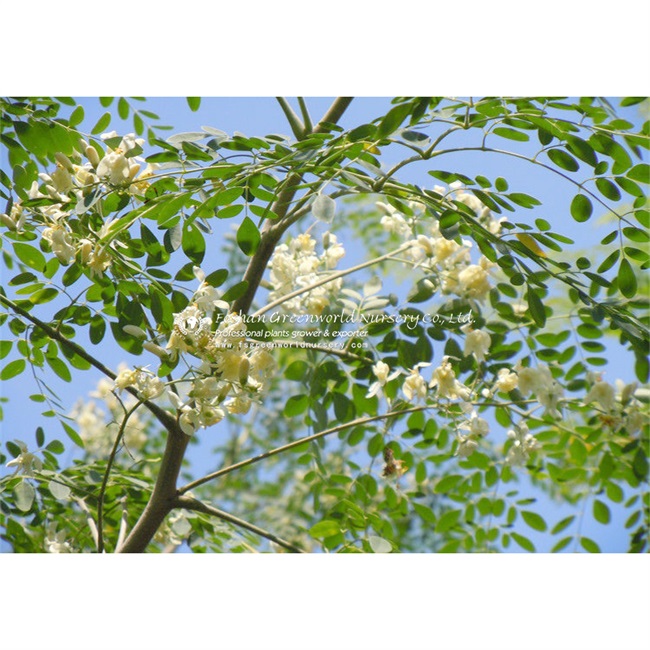
In recent years, urban landscaping has seen a remarkable transformation as city planners, architects, and gardening enthusiasts increasingly embrace a diverse range of ornamental plants that combine aesthetic appeal with environmental benefits. Among these, the Sago Cycad Palm has emerged as a prominent choice for gardens, parks, and public spaces, contributing both charm and resilience to modern green designs. This trend aligns with the offerings of leading horticultural companies, which provide an impressive array of plant species well-suited to various climates and landscaping needs.
### The Appeal of Sago Cycad Palm
The Sago Cycad Palm, often admired for its distinctive, feather-like fronds and symmetrical growth habit, is a robust and adaptable plant species. Although technically not a true palm, it is frequently utilized in landscaping projects due to its slow growth rate, low maintenance requirements, and striking appearance. Its textured, dark green leaves bring an exotic and prehistoric feel to gardens, making it a favorite for both residential and commercial spaces.
Beyond its aesthetic value, the Sago Cycad Palm is highly tolerant of drought and poor soil conditions, making it a suitable option for areas facing challenges related to water scarcity and soil degradation. This adaptability enhances its sustainability credentials and appeals to environmentally conscious landscapers.
### A Comprehensive Selection of Ornamental Trees and Plants
In conjunction with the Sago Cycad Palm, a wide variety of ornamental plants are being leveraged to create vibrant, diverse landscapes. A company specializing in horticultural products offers an extensive collection, including:
- **Lagerstroemia Indica (Crape Myrtle) and Lagerstroemia Indica Vase:** Known for their stunning summer blossoms in hues of pink, red, and white, these deciduous trees are popular for providing seasonal color and shade.
- **Delonix Regia (Royal Poinciana):** Renowned for its flamboyant red flowers and broad canopy, this tree is often planted in tropical and subtropical regions to add dramatic color and shelter.
- **Hibiscus Tiliaceus Rubra and Hibiscus Tiliaceus:** Both varieties offer large, vibrant flowers and are valued for their growth vigor and ability to thrive in coastal environments.
- **Pongamia Pinnata:** This nitrogen-fixing tree improves soil health while offering attractive foliage and flowers, supporting both ecological function and aesthetics.
- **Albizia Saman (Rain Tree):** With expansive leaf canopies providing generous shade, this species is popular in parks and street-side plantings.
- **Millingtonia Hortensis:** Known as the Indian cork tree, it features fragrant white flowers and is widely planted for its ornamental qualities.
- **Ficus Nitida (Indian Laurel) and Ficus Religiosa (Sacred Fig):** These ficus species are staples in urban landscapes, valued for their dense foliage and cultural significance.
- **Peltophorum:** A hardy plant with bright yellow flowers, often used to add seasonal interest.
- **Ginkgo Biloba:** A living fossil, this deciduous tree is famed for its unique fan-shaped leaves and brilliant autumn color.
- **Magnolia Grandiflora:** With large, fragrant white flowers and glossy leaves, this classic tree remains a symbol of southern charm.
- **Photinia Serrulata:** Often used as hedges or screens, these plants have shiny red young leaves that add color contrast.
- **Cinnamomum Camphora (Camphor Tree):** Known for its aromatic leaves and shade provision, this broadleaf evergreen is a common urban fixture.
- **Prunus Yedoensis (Yoshino Cherry):** Celebrated for its ephemeral pink blossoms, it is synonymous with springtime festivals in many cultures.
- **Trachycarpus Fortunei (Windmill Palm):** A cold-hardy palm species prized for its exotic look and hardiness.
- **Tecoma Stans:** This shrub produces bright yellow trumpet-like flowers, drawing pollinators and vibrant color.
- **Wodyetia Bifurcata (Foxtail Palm):** An elegant palm with feathery fronds, suited for tropical landscaping.
- **Sea Grape Plant:** Its large, leathery leaves and unique grape-like fruit clusters make it an attractive coastal plant.
- **Ficus Racemosa:** Known as cluster fig or Indian fig tree, it has a significant role in ecological systems as a keystone species providing food for wildlife.
- **Bonsai Sacred Fig:** Miniature versions of the iconic Ficus Religiosa, popular among bonsai enthusiasts for their spiritual and aesthetic values.
### Integrating Diverse Species for Sustainable Urban Green Spaces
Combining these diverse species with the Sago Cycad Palm enables landscape architects to design multi-layered and dynamic green environments that cater to aesthetic, ecological, and practical functions. Trees such as the Ginkgo Biloba and Prunus Yedoensis add seasonal interest through changing foliage colors and floral displays, while evergreens like Cinnamomum Camphora provide year-round greenery and shading.
Moreover, many of these plants contribute to biodiversity, stabilizing urban ecosystems by attracting birds, pollinators, and beneficial insects. Nitrogen-fixing trees like Pongamia Pinnata improve soil fertility, reducing the need for chemical fertilizers.
The variety also allows for tailored landscaping solutions that accommodate different environmental conditions — from drought tolerance to coastal resilience — making sustainable urban forestry more achievable in changing climates.
### The Future of Urban Landscaping with Ornamental Plants
The rising use of the Sago Cycad Palm alongside such an extensive palette of ornamental plants reflects a broader shift towards integrating nature more deeply into urban life. As cities grow, the demand for green spaces that provide beauty, health benefits, and ecological functions will continue to escalate.
Companies specializing in the cultivation and distribution of these plants play a critical role by offering species that meet both aesthetic desires and environmental needs. Their expertise ensures that gardeners and city planners have access to healthy, diverse stock suitable for varying climates and design principles.
In conclusion, the increasing inclusion of the Sago Cycad Palm in combination with a rich variety of ornamental trees and plants is revitalizing urban landscapes. By blending form, function, and ecological awareness, these living elements transform concrete jungles into vibrant, sustainable green havens for all to enjoy. This marks a promising trend in urban landscaping, embodying harmony between natural beauty and modern living.