
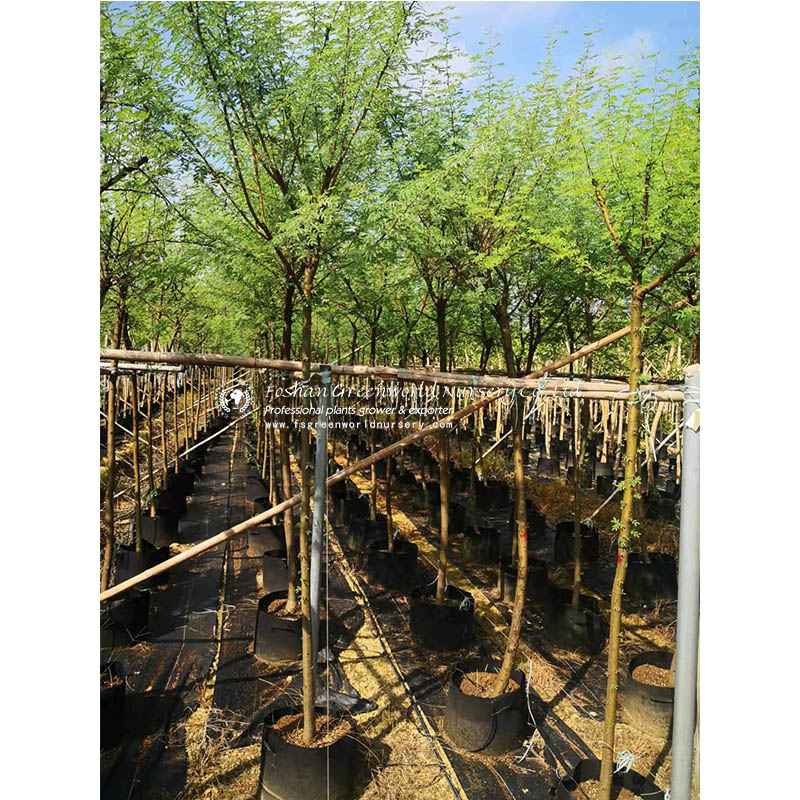
In the modern landscape of horticulture and urban greening, selecting the right plants not only enhances the aesthetic appeal of outdoor spaces but also contributes significantly to ecological balance and human well-being. Among the variety of ornamental plants that have garnered attention for their unique characteristics, the Sago Cycad Palm stands out as a fascinating choice for gardeners and landscapers alike. Combined with a diverse collection of other remarkable species such as Lagerstroemia Indica, Delonix Regia, Hibiscus variants, and more, these plants form an impressive palette that transforms any environment into a lush sanctuary.
### The Sago Cycad Palm: A Timeless Addition to Gardens
The Sago Cycad Palm is a distinctive and ancient plant species known for its rugged appearance and remarkable resilience. Belonging to the cycad family, these plants have existed since prehistoric times, often referred to as living fossils. Their unique texture and symmetrical shape create an eye-catching focal point in gardens, courtyards, and public parks.
One of the primary features that make the Sago Cycad Palm popular is its adaptability to various climates and soil types. It thrives in both tropical and subtropical regions, requiring minimal maintenance once established. Its slow growth rate and longevity make it an asset for any sustainable landscaping project. Notably, the palm’s tough fronds provide a tropical ambiance without overwhelming nearby plants, making it suitable for mixed gardens.
Safety is a consideration when planting Sago Cycad Palms. While visually appealing, parts of the plant are toxic if ingested by pets or humans. Therefore, careful placement and education on its characteristics are essential to prevent accidental poisoning.
### Complementary Ornamental Plants for a Thriving Garden
Pairing the Sago Cycad Palm with other ornamental species enriches the visual diversity and ecological value of an outdoor space. Here’s a look at some of the ornamental plants that beautifully complement the Sago Cycad Palm:
- **Lagerstroemia Indica (Crape Myrtle):** Known for its spectacular summer blooms in shades of pink, lavender, and white, Lagerstroemia Indica adds vibrant color and texture. Its exfoliating bark creates winter interest, offering year-round visual appeal.
- **Delonix Regia (Flamboyant Tree):** With striking fiery red flowers and a broad canopy, this tree is a showstopper in tropical and subtropical regions. It provides ample shade and attracts pollinators, enhancing biodiversity.
- **Hibiscus Tiliaceus (Sea Hibiscus):** Available in varieties such as Rubra, this shrub or small tree produces vivid, large, trumpet-shaped flowers that add tropical elegance. It also plays a role in coastal stabilization where planted near shorelines.
- **Pongamia Pinnata (Indian Beech):** This multipurpose tree is valued for its nitrogen-fixing ability, improving soil quality alongside its ornamental use. Its fragrant flowers attract bees, supporting pollination.
- **Albizia Saman (Rain Tree):** Recognized for its umbrella-shaped canopy and feathery leaves, the rain tree is ideal for shade and parkland, offering significant benefits to urban ecosystems.
- **Millingtonia Hortensis (Indian Cork Tree):** Known for its fragrant white flowers and fast growth, this tree is perfect for lining streets and avenues, lending beauty and shade simultaneously.
- **Ficus Nitida (Indian Laurel Fig):** This sturdy and fast-growing tree is appreciated for its dense foliage and longevity. It is often used as a shade tree or for bonsai artistry.
- **Peltophorum:** Renowned for its bright yellow flowers, this tree thrives in tropical climates and attracts birds and pollinators, enriching the garden’s life and color spectrum.
- **Ginkgo Biloba:** An ancient species like the Sago Cycad Palm, the Ginkgo tree is famous for its fan-shaped leaves and tolerance to urban pollution. It is regarded as a symbol of longevity and resilience.
- **Magnolia Grandiflora:** This evergreen tree offers large, fragrant, white flowers and glossy leaves, adding a sophisticated note to any garden.
- **Photinia Serrulata:** Often used as hedging plants, these shrubs bear red-hued young leaves and small white flowers, providing year-round interest.
- **Cinnamomum Camphora (Camphor Tree):** Known for its aromatic foliage and broad canopy, this tree is both ornamental and practical, providing shade and a pleasant scent.
- **Prunus Yedoensis (Yoshino Cherry):** Famous for its breathtaking cherry blossoms, this tree heralds the arrival of spring with spectacular floral displays.
- **Trachycarpus Fortunei (Windmill Palm):** A hardy palm often used in temperate gardens, offering a tropical feel without demanding hot conditions.
- **Tecoma Stans:** Bearing bright yellow trumpet-shaped flowers, Tecoma Stans is ideal for sunny spots and attracts hummingbirds.
- **Wodyetia Bifurcata (Foxtail Palm):** With its elegant, feathery fronds, this palm is prized for both indoor and outdoor use in warmer climates.
- **Sea Grape Plant:** This coastal plant is tolerant of salt and sandy soils, making it ideal for beachfront properties seeking ornamental and protective vegetation.
- **Ficus Religiosa (Sacred Fig Tree):** Revered in many cultures, this fig tree is famed for its spiritual significance and majestic canopy.
- **Ficus Racemosa:** This species provides dense shade and edible figs, adding multiple layers of benefits.
### Creating Sustainable and Aesthetic Landscapes
When thoughtfully combined, these plant species — including the Sago Cycad Palm — can transform residential gardens, commercial properties, and public parks into sustainable green havens. Their varied heights, foliage textures, flowering seasons, and ecological functions ensure a dynamic and resilient landscape. Moreover, many of these plants contribute to air purification, carbon sequestration, and providing habitat for wildlife, aligning with global environmental goals.
Gardeners and landscapers are encouraged to consider local climate, soil conditions, and water availability when selecting plants. Integrating drought-tolerant species like the Sago Cycad Palm and Trachycarpus Fortunei ensures lower water usage, while nitrogen-fixing trees like Pongamia Pinnata improve soil fertility naturally.
### Conclusion
The Sago Cycad Palm, alongside a rich array of other ornamental species such as Lagerstroemia Indica, Delonix Regia, and Hibiscus varieties, represents a brilliant toolkit for landscaping that marries beauty with sustainability. Their collective features—from vibrant flowers and fragrant blooms to practical ecological functions—offer endless possibilities for crafting inspirational green spaces. As urban areas increasingly recognize the importance of green infrastructure, embracing such diverse plant collections will be key to fostering healthier, more enjoyable environments for all.
By exploring the unique qualities and benefits of each species, communities can create living landscapes that not only captivate the eye but also nourish the soul and the environment.