
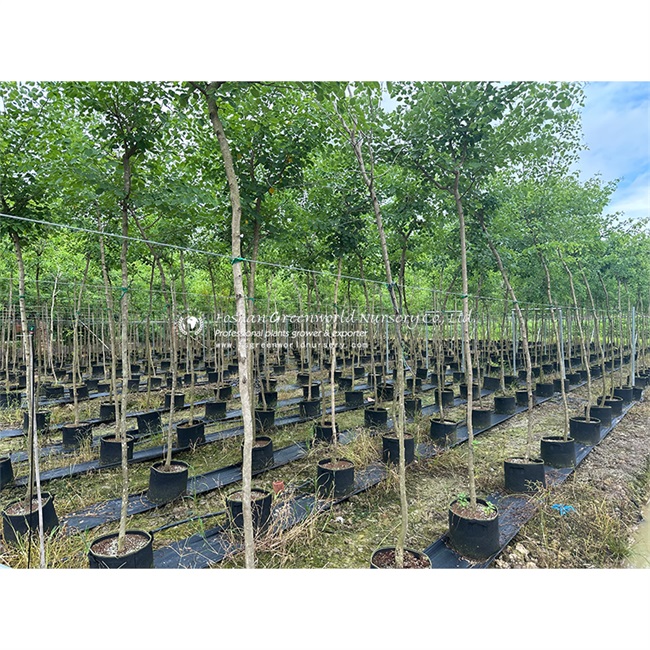
In recent years, urban greening has become a pivotal focus within city planning and environmental sustainability initiatives. Planting and maintaining diverse tree species not only beautifies urban environments but also offers significant ecological benefits such as improving air quality, providing shade, and enhancing biodiversity. A remarkable development in this field revolves around the effective use of various tree species well-suited for urban landscapes, including pleached magnolia grandiflora and many other versatile plants.
This news article highlights the importance and implementation of a selection of diverse tree species, detailing their unique characteristics and the role they play in urban ecology. The company, known for its dedication to enriching city environments with a broad array of plants, focuses on species including Lagerstroemia indica, Delonix regia, Hibiscus tiliaceus rubra, Pongamia pinnata, Albizia saman, Millingtonia hortensis, Ficus nitida, Peltophorum, Ginkgo biloba, Magnolia grandiflora, Photinia serrulata, Cinnamomum camphora, Prunus yedoensis, Trachycarpus fortunei, Tecoma stans, Wodyetia bifurcata, Sea grape plant, Ficus religiosa (also known as the sacred fig tree), and Ficus racemosa. Through their work, they create urban green spaces that benefit both the environment and the community.
### The Significance of Tree Diversity in Urban Areas
Planting a diverse range of tree species in urban areas is a strategic approach to achieving ecological balance, resilience, and aesthetic appeal. Each species contributes uniquely to the urban ecosystem:
- **Lagerstroemia indica** (Crape Myrtle) is celebrated for its vibrant blooms and tolerance to heat and drought, making it ideal for city parks and streets.
- **Delonix regia** (Flamboyant Tree) provides spectacular fiery-red flowers that add color and attract pollinators.
- **Hibiscus tiliaceus rubra**, with its distinctive red foliage and coastal adaptability, is a versatile ornamental tree.
- **Pongamia pinnata** is valued for its nitrogen-fixing ability, improving soil fertility.
- **Albizia saman** (Rain Tree) offers wide, umbrella-like canopies, providing extensive shade.
- **Millingtonia hortensis** presents fragrant white flowers that add sensory appeal.
- **Ficus nitida** (Indian Laurel Fig) is robust and commonly used as a shade tree in urban planting.
- **Peltophorum** species produce bright yellow flowers that enhance landscapes.
- **Ginkgo biloba**, a living fossil, is resilient to pollution and offers unique fan-shaped leaves that turn bright yellow in autumn.
- **Magnolia grandiflora**, known for large, fragrant white flowers and glossy leaves, is a statement tree in many urban gardens.
- **Photinia serrulata** provides attractive red young leaves, often used as hedges or screens.
- **Cinnamomum camphora** (Camphor Tree) has aromatic leaves and is highly resilient to urban stresses.
- **Prunus yedoensis** (Yoshino Cherry) is celebrated for its stunning spring blossoms.
- **Trachycarpus fortunei** (Windmill Palm) brings a tropical flair and grows well in temperate zones.
- **Tecoma stans** (Yellow Bells) has bright, trumpet-shaped flowers that attract hummingbirds.
- **Wodyetia bifurcata** (Foxtail Palm) adds elegance with its bushy, foxtail-like fronds.
- The **Sea grape plant** contributes a coastal, salt-tolerant option.
- **Ficus religiosa** and **Ficus racemosa** are culturally significant sacred fig trees that provide spiritual and environmental benefits.
By integrating these species, urban planners create lush, functional green spaces that support wildlife, moderate temperatures, and improve residents’ quality of life.
### Pleached Magnolia grandiflora: A Stunning Urban Greening Technique
One particularly captivating method in urban landscaping involves the pleaching of Magnolia grandiflora. Pleaching is a horticultural technique where branches of trees are interwoven to create a formal screen or hedge, combining aesthetics with functionality. By pleaching magnolia grandiflora, urban planners can offer structured greenery that also retains the classic beauty and evergreen nature of the magnolia.
This approach is gaining momentum in city parks, residential developments, and commercial areas. The pleached magnolia grandsiflora creates green “living walls” that enhance privacy, reduce noise, and improve air quality, while its fragrant flowers provide sensory pleasure and seasonal interest.
### Company’s Commitment to Green Urban Futures
The company spearheading these urban greening efforts applies its extensive botanical knowledge to select tree species best suited for varying environmental conditions across urban landscapes. Their holistic approach incorporates species diversity, adaptability, and aesthetics, ensuring urban forests thrive amid challenges like pollution, space limitations, and climatic changes.
Their portfolio of plants — spanning from fast-growing flowering trees and shade providers like Delonix regia and Albizia saman to resilient specimens like Ginkgo biloba and Cinnamomum camphora — underlines a commitment to sustainability and urban biodiversity.
The integration of majestic trees such as Magnolia grandiflora (including pleached methods), along with unique species like Trachycarpus fortunei and Wodyetia bifurcata palms, introduces texture and variety that appeal visually and ecologically.
Moreover, their use of culturally significant trees like Ficus religiosa and Ficus racemosa honor local traditions while fostering urban nature hubs for education and spiritual connection.
### Impact on Urban Communities
These urban greening efforts go beyond beautification. Trees reduce the urban heat island effect, lowering temperatures and decreasing energy needs for cooling. Shade from large-canopy species encourages outdoor activities and community gatherings. Noise reduction from green screens improves urban livability, and improved air quality supports better public health.
Furthermore, green spaces increase real estate values and attract tourism, serving as economic boosters. The company's multi-species planting strategy fosters urban wildlife habitats, promoting biodiversity even in densely built environments.
### Looking Ahead: Future Prospects of Urban Greening
As cities worldwide grapple with population growth and climate change, the demand for effective urban greening strategies intensifies. The use of diverse, adaptable tree species combined with innovative techniques such as pleaching offers a sustainable and visually stunning solution.
With ongoing research, community engagement, and commitment from companies dedicated to enhancing green infrastructure, the future promises more resilient and livable urban environments. The successful integration of species like Magnolia grandiflora and others into cityscapes exemplifies how nature and urban life can harmoniously coexist.
### Conclusion
The infusion of diverse and strategically selected tree species into urban environments represents a forward-thinking approach to sustainable city living. Through species such as Lagerstroemia indica, Delonix regia, Hibiscus tiliaceus rubra, Pongamia pinnata, and notably pleached Magnolia grandiflora, cities are transforming into vibrant, healthy ecosystems.
This company’s exemplary work sets a model for urban planners, environmentalists, and communities committed to greener, more aesthetically pleasing, and functional urban landscapes. As initiatives continue to embrace biodiversity and innovative planting techniques, green urban futures remain bright and hopeful.