
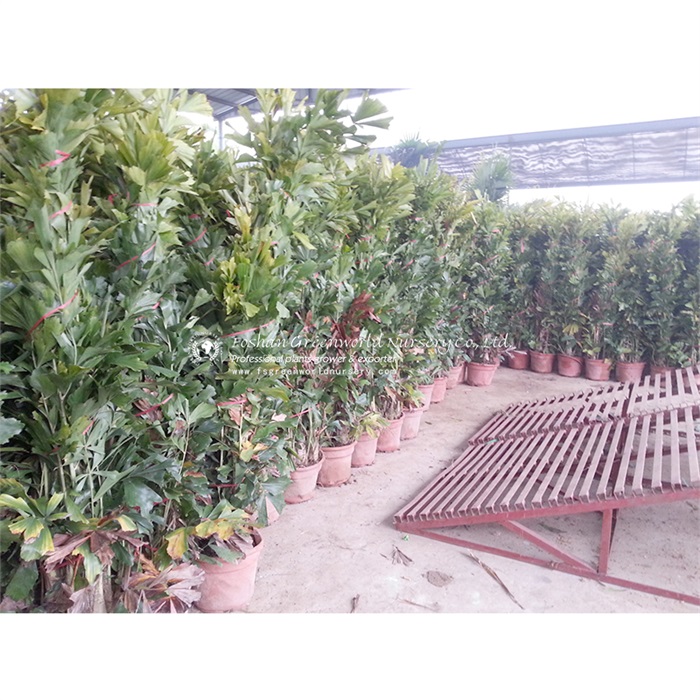
In the evolving narrative of urban development, incorporating green spaces and diverse tree species has become integral to fostering sustainable, livable cities. Among the myriad of trees enriching metropolitan landscapes, *Platanus acerifolia hispanica*, commonly known as the London Plane tree, stands out as a robust choice favored for its adaptability and environmental benefits. Coupled with an array of other species including *Lagerstroemia indica*, *Delonix regia*, *Hibiscus tiliaceus* (varieties *rubra* and others), *Pongamia pinnata*, *Albizia saman*, and more, these trees collectively contribute to the ecological and aesthetic fabric of urban areas.
### The London Plane Tree (*Platanus acerifolia hispanica*): A Cornerstone of Urban Forestry
The London Plane tree is renowned worldwide for its resilience against pollution and harsh urban conditions, making it an ideal species for city streets, parks, and boulevards. Its distinctive mottled bark and expansive canopy provide shade and enhance street aesthetics, which in turn helps reduce urban heat island effects. Beyond its beauty and shade, the London Plane tree plays a crucial role in improving air quality by filtering particulates and absorbing carbon dioxide.
Its tolerance of compacted soils and resistance to pests exemplify why this tree continues to be a preferred species in urban forestry projects. Planted extensively in cities across the globe, the London Plane tree supports biodiversity and offers habitat for various urban wildlife species, including birds and beneficial insects.
### Diverse Tree Species Enhancing Urban Ecosystems
Complementing the London Plane tree in urban greening initiatives are numerous other species notable for their environmental and ornamental values:
- **Lagerstroemia indica**: Known commonly as Crepe Myrtle, this tree blooms with vibrant flowers, adding seasonal color to cityscapes while requiring relatively low maintenance.
- **Delonix regia**: The flamboyant flame tree captivates with its fiery orange-red flowers, creating a stunning visual impact especially in tropical and subtropical climates.
- **Hibiscus tiliaceus (Rubra and other varieties)**: Coastal trees that provide dense shade and stabilize soils, particularly beneficial in shoreline and wind-prone urban environments.
- **Pongamia pinnata**: A multipurpose tree valued for its nitrogen-fixing ability, which improves soil fertility, and its potential as a biofuel source.
- **Albizia saman**: Also known as Rain Tree, it offers widespread canopy cover ideal for parks and open spaces, with additional benefits such as nitrogen fixation.
- **Millingtonia hortensis**: Popular for its fragrant white flowers, it adds sensory appeal alongside canopy coverage.
- **Ficus species (Ficus nitida, Ficus religiosa, Ficus racemosa)**: These figs are culturally significant and ecologically important, providing fruit for wildlife and dense shade for urban areas.
- **Peltophorum, Ginkgo biloba, Magnolia grandiflora, Photinia serrulata, Cinnamomum camphora, Prunus yedoensis**: These species offer a mix of evergreen and deciduous forms, flowering patterns, and leaf textures, enhancing biodiversity and aesthetic diversity in urban gardens and streets.
- **Trachycarpus fortunei, Tecoma stans, Wodyetia bifurcata, Sea Grape Plant**: These add tropical and subtropical touch to city plantings, thriving in warmer urban climates.
- **Bonsai Sacred Fig Tree**: Represents the integration of horticultural art into urban green initiatives, fostering cultural connections and intimate green spaces.
### The Synergy of Diversity in Urban Plantings
Utilizing a broad palette of trees from various genera and species ensures that urban forests are resilient to pests, diseases, and climate variability. Diverse tree plantings reduce the risk of widespread tree loss and contribute to more stable ecosystems. They also support a wider range of fauna, from pollinators attracted to flowering species to birds reliant on fruit-bearing trees.
Each species plays a role in complementing urban infrastructure — from shading pavements to reducing stormwater runoff and enhancing pedestrian comfort. For example, the dense canopies of *Albizia saman* and *Ficus nitida* create cool refuges, while the flowering periods of *Delonix regia* and *Lagerstroemia indica* add seasonal vibrancy that can uplift community spirits.
### Integrating Greenery with Community and Climate Goals
Urban greening efforts increasingly align with broader sustainability objectives, including mitigating climate change impacts, enhancing air quality, and promoting mental well-being among city dwellers. Trees such as *Ginkgo biloba* with its insect-repellent properties, and *Pongamia pinnata* with biofuel potential showcase innovative pathways for incorporating multifunctional greenery into urban planning.
This strategic planting approach builds resilient urban forests that provide ecosystem services such as carbon sequestration, noise reduction, and habitat connectivity. Moreover, urban forests incorporating *Platanus acerifolia hispanica* and a variety of companion species create vibrant public spaces accessible for recreation, social interaction, and cultural expression.
### Conclusion
The integration of *Platanus acerifolia hispanica* with a rich diversity of tree species fuels the transformation of urban landscapes into dynamic and restorative environments. These trees not only beautify and shade cities but perform essential ecological functions that sustain urban life. As cities continue to expand, promoting the plantation and maintenance of diverse urban forests will be critical for fostering resilient, healthy, and enjoyable urban spaces.
The collective contribution of species ranging from *Lagerstroemia indica* to *Ficus racemosa* embodies the future of city greening—one where biodiversity, ecological service, and human well-being go hand in hand. Urban planners, landscape architects, and communities embracing such diversity will pave the way for greener, cooler, and more vibrant cities for generations to come.