
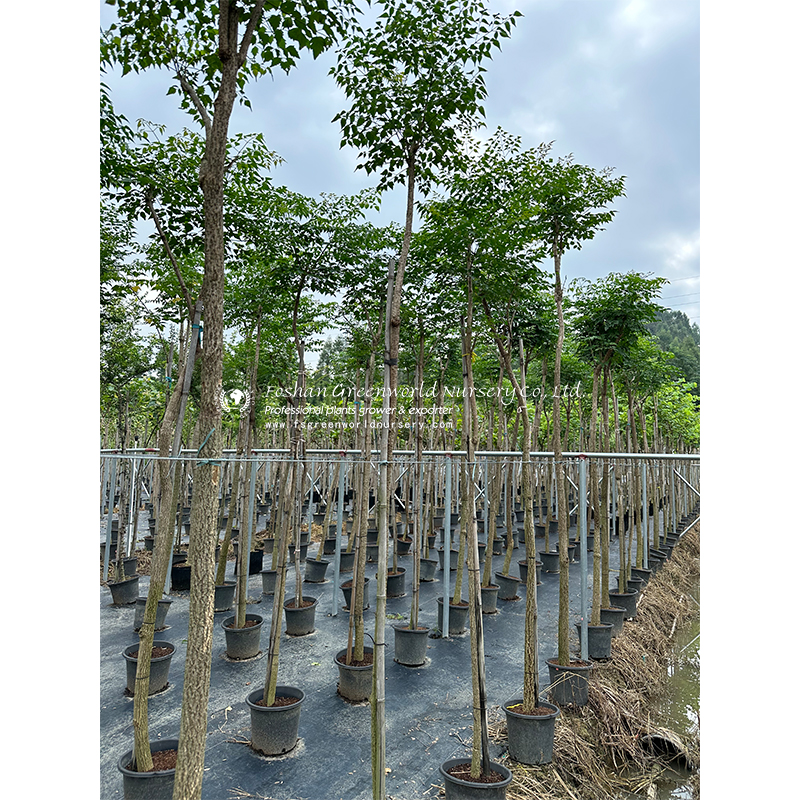
In the ongoing efforts to green urban environments and promote ecological balance, a variety of tree species have become increasingly significant. Among these, the Peltophorum plant stands out due to its vibrant appearance and environmental benefits. Coupled with other remarkable trees such as Lagerstroemia Indica, Delonix Regia, and Ficus Nitida, urban planners and horticulturists are creating lush, sustainable urban landscapes that contribute positively to biodiversity, air quality, and the overall well-being of communities.
### The Role of Peltophorum in Urban Greening
The Peltophorum is a versatile and attractive tree species, cherished for its bright yellow blossoms and fast growth. It thrives in tropical and subtropical climates, making it a popular choice in city parks, roadside plantations, and large gardens. Besides beautifying spaces, this species plays a vital role in improving air quality by absorbing pollutants and providing oxygen. Its extensive canopy offers shade, thereby lowering ambient temperatures and creating cooler microclimates in urban heat islands.
Moreover, the Peltophorum tree supports local wildlife by offering habitat and food for birds and insects. This contributes to urban biodiversity, which is essential for maintaining ecological resilience amid increasing urbanization.
### Diverse Tree Species for Diverse Needs
While Peltophorum makes a compelling case as a major component of urban greening strategies, it is far from the only valuable species contributing to such efforts. A range of trees with varying characteristics and ecological benefits can be integrated to create multi-layered green spaces, each fulfilling specific environmental and aesthetic roles.
- **Lagerstroemia Indica**: Known commonly as crape myrtle, this species is celebrated for its spectacular floral displays in shades of pink, purple, red, and white. It is well-suited for urban settings due to its moderate size and resistance to pollution. Beyond aesthetics, its dense foliage provides shade and habitats for small fauna.
- **Delonix Regia**: Famous as the flame tree, this species boasts fiery red flowers that transform city parks and avenues into striking landscapes during blooming seasons. Additionally, its broad canopy offers excellent shade, making it ideal for recreational areas.
- **Hibiscus Tiliaceus and Hibiscus Tiliaceus Rubra**: These species contribute tropical flair with their large, colorful blossoms. They are valuable for stabilizing soil in coastal and riparian areas, preventing erosion and supporting shore ecosystems.
- **Pongamia Pinnata**: Recognized for its nitrogen-fixing abilities, this tree improves soil fertility, which benefits surrounding plants. It is drought-tolerant and resilient, suitable for marginal urban soils.
- **Albizia Saman**: Also called the rain tree, its expansive canopy provides abundant shade, and it enriches the soil with nitrogen, supporting healthier green spaces.
- **Millingtonia Hortensis**: A stunning flowering tree with fragrant blooms, ideal for streetscapes and gardens, contributing to the sensory experience and urban aesthetics.
- **Ficus Nitida**: Known as the Indian banyan, this species is a keystone tree offering extensive canopy cover and habitat complexity, supporting a wide array of urban wildlife.
- **Ginkgo Biloba**: Valued for its unique fan-shaped leaves and resistance to urban pollution, it brings historical and cultural significance alongside environmental benefits.
- **Magnolia Grandiflora**: This evergreen tree offers year-round greenery and large, fragrant flowers, enhancing both visual appeal and urban biodiversity.
In addition to these, species like Photinia Serrulata, Cinnamomum Camphora, Prunus Yedoensis, Trachycarpus Fortunei, Tecoma Stans, Wodyetia Bifurcata, Sea Grape Plant, Ficus Religiosa (Bonsai Sacred Fig Tree), and Ficus Racemosa enrich urban landscapes with their unique attributes, from flowering characteristics to cultural significance and adaptability.
### Integrating Trees for Sustainable Urban Development
Incorporating this diverse portfolio of trees into city planning promotes a resilient, enjoyable, and sustainable urban environment. The variety ensures ecological redundancy, meaning that if one species suffers from disease or pests, others can maintain the necessary ecosystem functions.
Furthermore, mixed-species plantations tend to support a wider array of wildlife, from pollinating insects to birds and small mammals, which are essential for ecosystem health. Trees such as Peltophorum and Albizia Saman, which improve soil fertility, also support the health of neighboring plants, creating more robust green spaces.
Urban developers are increasingly considering not just the visual impact but also the environmental services these trees provide: carbon sequestration, temperature regulation, noise reduction, and stormwater management. For instance, the extensive root systems of many of these species stabilize soils and reduce urban flooding risks.
### The Path Forward: Community and Corporate Contributions
Creating and sustaining green urban spaces is not the sole responsibility of city authorities; it requires active participation from corporations, communities, and individuals. Companies involved in landscaping and environmental management play a vital role by providing expertise, planting materials, and maintenance services. Their knowledge about the specific growth requirements and benefits of species such as Peltophorum and its peers ensures that urban forestry projects succeed in the long term.
Public awareness campaigns, educational programs, and community tree-planting events help foster a culture of environmental stewardship. When residents understand the importance of such trees—both ecologically and socially—they become active guardians of these urban assets.
### Conclusion
The integration of the Peltophorum plant alongside a wide array of beneficial tree species like Lagerstroemia Indica, Delonix Regia, and Ficus Nitida reflects a comprehensive approach to urban greening. These initiatives not only enhance the aesthetic quality of cities but also improve environmental health and human well-being. As cities continue to expand, embracing the diversity and ecological advantages offered by these iconic trees will be crucial to fostering sustainable, livable urban futures.
By championing green infrastructure and biodiversity through thoughtful tree selection and management, communities and organizations can pave the way toward healthier, more resilient urban ecosystems that benefit all residents and generations to come.