
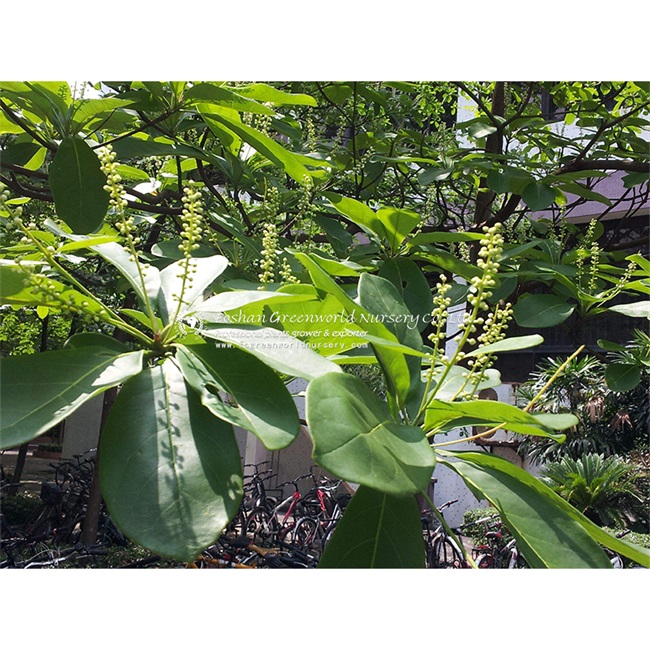
In the pursuit of greener, healthier, and more beautiful urban environments, the selection of appropriate tree species plays a pivotal role. Among the various choices, Tecoma Stans has emerged as a standout species known for its vibrant appearance and resilience. This wonderful tree species, combined with a rich palette of other botanicals, heralds a new era in urban landscaping that prioritizes ecological harmony, aesthetic appeal, and sustainability.
### Tecoma Stans: The Vibrant Brightener of Urban Spaces
Tecoma Stans, commonly known as the yellow trumpetbush, is celebrated for its bright yellow, trumpet-shaped flowers which bloom profusely, transforming any landscape into a lively scene of color and vitality. Its adaptability to different soil types and tolerance to heat makes it particularly suited for urban environments facing the challenges of climate change and urban heat islands.
Tecoma Stans plays a crucial role beyond its visual appeal. As a flowering tree, it attracts bees, butterflies, and other pollinators, supporting biodiversity in cityscapes. Its dense foliage provides shade, which helps mitigate urban temperature, and its relatively fast growth rate makes it a preferred choice for quick greening projects.
### A Palette of Trees for Sustainable and Rich Urban Canopies
Complementing Tecoma Stans in the urban and suburban palette are several remarkable species that span a wide range of climates, soil types, and aesthetic needs. Here's an overview of some species poised to transform urban forestry:
- **Lagerstroemia Indica (Crape Myrtle)**: Known for its stunning summer blooms in shades of pink, purple, and white, this flowering tree is cherished for its multi-seasonal beauty, including vibrant fall colors.
- **Delonix Regia (Flamboyant Tree)**: With its broad canopy and fiery red-orange flowers, Delonix Regia offers both shade and brilliant color, serving as a focal point in urban parks and large gardens.
- **Hibiscus Tiliaceus (Sea Hibiscus)**: This coastal tree thrives in harsh salt and wind conditions, making it ideal for urban coastal areas. It produces beautiful yellow flowers and improves air quality by filtering pollutants.
- **Pongamia Pinnata (Indian Beech)**: An excellent nitrogen-fixing species, Pongamia Pinnata enriches soil fertility while providing shade and supporting local ecosystems.
- **Albizia Saman (Rain Tree)**: This broad-canopied tree is valued for its vast shade coverage, cooling urban spaces while offering habitat to local fauna.
- **Millingtonia Hortensis (Indian Cork Tree)**: It delights with its fragrant, white trumpet-shaped flowers and is often planted along roads for its shade and beauty.
- **Ficus Nitida (Indian Laurel Fig)** and **Ficus Religiosa (Sacred Fig Tree)**: These are majestic trees known for their cultural significance, dense canopies, and the ecological benefits they provide by supporting urban wildlife.
- **Peltophorum**: This genus includes several species known for their bright yellow flowers and resilience, making them attractive for urban greening.
- **Ginkgo Biloba**: The living fossil, Ginkgo is appreciated for its unique fan-shaped leaves, brilliant fall foliage, and tolerance to pollution and urban stresses.
- **Magnolia Grandiflora**: Known for its large, fragrant white flowers and glossy evergreen leaves, this species adds elegance and year-round greenery.
- **Photinia Serrulata**: Popular as both a tree and hedge, Photinia exhibits beautiful red-tipped leaves that turn bright red in cooler weather.
- **Cinnamomum Camphora (Camphor Tree)**: It's valued for its shade, aromatic leaves, and evergreen foliage.
- **Prunus Yedoensis (Yoshino Cherry)**: Famous for its spectacular springtime blossoms, this cherry tree captivates urban dwellers and tourists alike.
- **Trachycarpus Fortunei (Windmill Palm)**: This hardy palm adds a tropical aesthetic and is adaptable to various urban climates.
- **Wodyetia Bifurcata (Foxtail Palm)**: With its distinctive feather-like fronds, this species adds to the diversity and charm of urban plantings.
- **Sea Grape Plant**: This coastal plant is well-suited for stabilizing sandy soils and providing dense visual screening.
- **Ficus Racemosa**: Another fig species known for its ecological importance and shade provision.
### Transforming Urban Environments with a Diverse Botanical Mix
The integration of these trees into urban planning is more than an aesthetic endeavor; it is a comprehensive strategy aimed at fostering urban biodiversity, improving air and soil quality, enhancing mental well-being, and addressing the effects of climate change in cities.
The combination of flowering species like Tecoma Stans and Lagerstroemia Indica with shade-providing giants like Albizia Saman and Ficus species creates a dynamic and sustainable urban canopy. This layered approach to planting, from palms to towering trees, provides year-round interest and habitats for birds, insects, and small mammals, contributing to urban ecosystems' resilience.
Moreover, many of these species, such as Pongamia Pinnata and Albizia Saman, play an important ecological role by fixing nitrogen in the soil, thus reducing the need for chemical fertilizers and encouraging healthier plant communities.
### Forward-Looking Urban Greening Strategies
Urban planners, landscape architects, and environmentalists are increasingly recognizing the value of incorporating such diverse tree species into city landscapes. The rapid urbanization in many parts of the world necessitates greenery that is not only beautiful but also hardy and ecologically beneficial.
Efforts are underway in several metropolitan areas to plant these species strategically along streets, parks, residential complexes, and commercial developments to maximize their benefits. Educational campaigns also aim to raise public awareness of the importance of native and adaptable tree species for environmental sustainability.
### Conclusion
The vibrant yellow blooms of Tecoma Stans symbolize a bright future for urban forestry—one where color, ecology, and resilience work hand in hand. Together with a rich variety of trees such as Lagerstroemia Indica, Delonix Regia, Ficus species, and many others, Tecoma Stans stands as a beacon of sustainable urban greening.
As cities worldwide grapple with challenges such as pollution, heat islands, and shrinking green spaces, embracing such botanical diversity can transform urban environments into thriving, livable habitats for humans and wildlife alike. The time to rethink and revamp our urban canopies with these trees is now, forging a harmonious relationship between nature and urban life for generations to come.