
In an era where urbanization rapidly transforms landscapes, the significance of preserving and integrating diverse plant species into city environments has grown immensely. From majestic trees to delicate bonsai, a wide array of botanical treasures offers ecological, aesthetic, and cultural benefits to communities worldwide.
One such remarkable plant, *Cycas king sago*, stands out as an ancient species revered for its resilience and distinctive appearance. This cycads, with its palm-like fronds and slow growth, is often sought after for ornamental gardens and public parks, contributing a prehistoric charm to contemporary green spaces.
The botanical richness doesn't stop there. Within an extensive catalogue of species frequently utilized in urban landscaping and reforestation initiatives are vibrant flowering trees such as *Lagerstroemia indica*, popularly known as crape myrtle. Celebrated for its stunning summer blooms and exfoliating bark, this species thrives in warm climates, offering a burst of color and shade during the hot months. The *Lagerstroemia indica vase* variety adds an elegant form resembling a decorative urn, perfect for boulevard plantings or garden focal points.
Tropical and subtropical trees also play an integral role. The flamboyant *Delonix regia*, with its fiery red-orange flowers and expansive canopy, transforms streets and parks with dramatic splashes of color. Its deciduous nature provides seasonal shade that reduces urban heat islands while supporting local biodiversity.
Complementing these are flowering shrubs like *Hibiscus tiliaceus rubra* and *Hibiscus tiliaceus*, whose vibrant blooms attract pollinators, enhancing ecosystem vitality. Members of the legume family such as *Pongamia pinnata* and *Albizia saman* are noteworthy for nitrogen fixation, improving soil fertility, and offering large canopies that foster microhabitats within urban jungles.
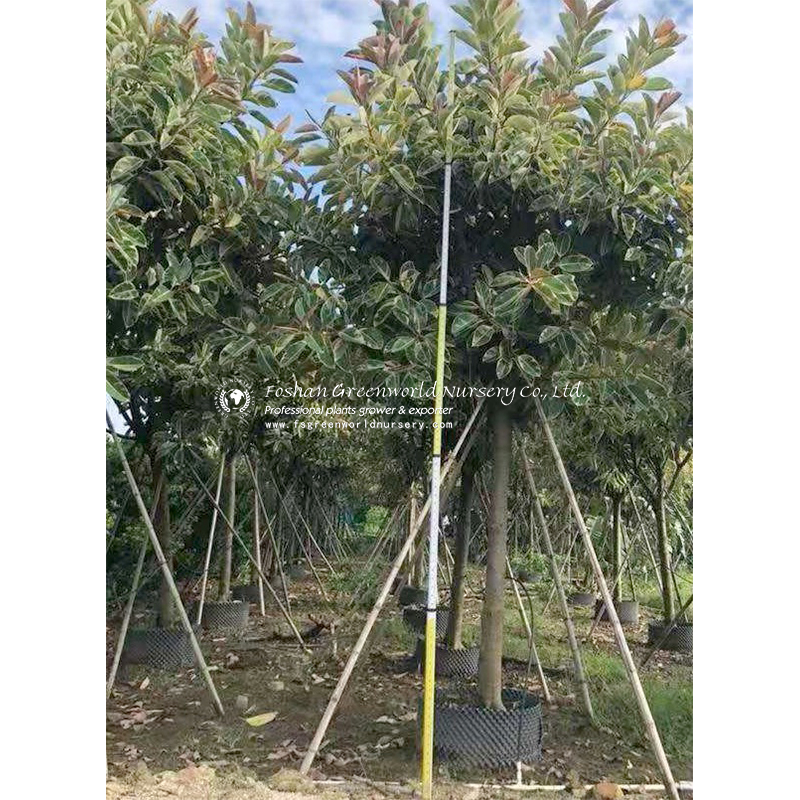
Fragrant and fast-growing tree species also make their mark. *Millingtonia hortensis*, known for its trumpet-shaped blossoms releasing a pleasant scent, adds sensory appeal to green corridors. Ficus species, including *Ficus nitida*, *Ficus religiosa* (the sacred fig tree), and *Ficus racemosa*, carry deep cultural and ecological importance. These figs serve as keystone species supporting numerous bird and insect populations and are often entwined with religious and cultural practices.
Other invaluable trees like *Peltophorum*, *Ginkgo biloba*, and *Magnolia grandiflora* bring their own unique benefits. The ancient *Ginkgo biloba*, often called a living fossil, adds a striking architectural element with its fan-shaped leaves and remarkable resistance to pollution. The southern magnolia, with its glossy leaves and large white flowers, enhances biodiversity and offers a classic beauty to landscape designs.
Seasonal interest is further provided by species like *Photinia serrulata*, which exhibits brilliant red foliage, and *Prunus yedoensis* (Yoshino cherry), famed worldwide for its ephemeral but breathtaking spring blossoms. Palms such as *Trachycarpus fortunei* introduce a tropical elegance, adaptable to various urban environments.
Bright, flowering shrubs like *Tecoma stans* — commonly known as yellow bells — bathe spaces in golden hues during blooming seasons, while palms such as *Wodyetia bifurcata* offer architectural form and a subtropical flair.
Coastal and seaside plantings benefit from the hardy *sea grape plant* (*Coccoloba uvifera*), which withstands salt spray and stabilizes shorelines. These characteristics make it invaluable for urban areas near marine environments.
The tradition of miniature artistry thrives with bonsai cultivation, prominently featuring species like *Ficus religiosa* (sacred fig tree), allowing urban dwellers to connect with nature on a personal, artistic scale while preserving cultural heritage.
---
### Integrating Botanical Diversity into Urban Planning
Modern urban planners and landscape architects increasingly recognize that planting a diverse mix of species enriches ecosystems, improves air quality, and enhances human well-being. The inclusion of native and adapted species such as those listed not only supports local wildlife but also contributes to urban resilience amid climate change challenges.
Trees like *Cycas king sago* and *Ginkgo biloba* are prized for their longevity and low maintenance requirements. Simultaneously, flowering species like *Lagerstroemia indica* and *Delonix regia* supply seasonal vibrancy and visual appeal essential for community spaces and recreational areas.
Furthermore, nitrogen-fixing species and pollinator-attracting plants contribute to healthier soils and greater biodiversity. A well-designed urban forest with a spectrum of evergreen, deciduous, flowering, and fruiting trees promotes balanced ecosystems that support insects, birds, and other fauna, fostering ecological networks even in concrete-heavy settings.
---
### Cultural and Ecological Significance
Many of these plants carry symbolism and cultural resonance. For instance, the sacred fig (*Ficus religiosa*) has profound spiritual importance in South and Southeast Asia, symbolizing enlightenment and peace. Incorporating such species into public spaces can create areas for reflection, community gathering, and cultural expression.
Meanwhile, the flowering magnificence of species like *Prunus yedoensis* invites seasonal festivals and tourism, reminding communities of natural cycles and the ephemeral beauty of life.
---
### Conclusion
The richness of botanical species available for urban greening projects offers a palette of colors, forms, and functionalities unmatched by any single plant type. From the stately *Cycas king sago* to the delicate bonsai sacred fig, integrating this diversity cultivates healthier, more attractive, and ecologically balanced urban environments.
As cities continue to grow, embracing and preserving a wide variety of plant life will be crucial in crafting sustainable habitats that benefit both people and nature for generations to come. Through careful selection and planting of trees and shrubs such as *Lagerstroemia indica*, *Delonix regia*, *Hibiscus tiliaceus*, *Pongamia pinnata*, and many others, urban landscapes can flourish as vibrant living ecosystems, enhancing quality of life and ecological stability worldwide.