
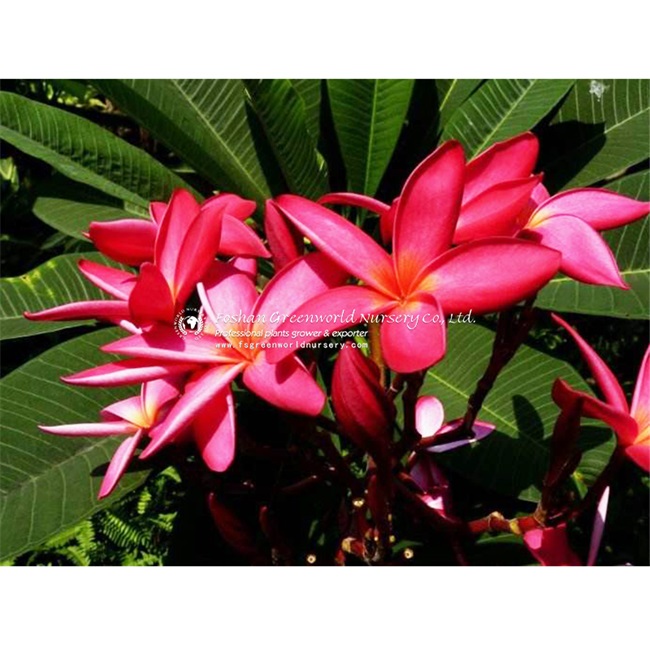
As urban areas continue to expand and green spaces become vital for environmental health and community well-being, the importance of selecting appropriate tree species for landscaping and urban greening projects has never been greater. A wide array of tree species offers not only aesthetic value but also ecological benefits such as air purification, shade provision, and habitat creation. Amid ongoing urban development, the emphasis on sustainable and multifaceted tree planting has fostered interest in species ranging from ornamental flowering trees to robust, shade-giving varieties.
One particularly notable species gaining attention as a valuable landscaping tree is the Sago Palm. Renowned for its distinctive, lush appearance and resilience, the Sago Palm presents an excellent choice for gardens, parks, and urban streetscapes. Its structured fronds and unique silhouette make it a striking focal point in both contemporary and traditional landscape settings, adding texture and depth to green environments. Moreover, the Sago Palm’s minimal maintenance requirements and adaptability to diverse soil types contribute to its popularity.
Complementing the Sago Palm, a diverse lineup of tree species offers landscapers and city planners abundant options to tailor greening projects that meet ecological and aesthetic needs. These species include flowering trees such as Lagerstroemia indica and Hibiscus tiliaceus rubra, fast-growing shade trees like Delonix regia, as well as species famous for their air-purifying qualities, such as Ginkgo biloba and Ficus nitida.
### Ornamental and Flowering Trees
Lagerstroemia indica, commonly referred to as crape myrtle, is celebrated for its vibrant flowering that brightens urban and rural landscapes alike. This species produces lush clusters of blossoms in varying colors including pink, white, and purple, attracting pollinators such as bees and butterflies, thus supporting urban biodiversity.
Similarly, Delonix regia, also known as the flamboyant or royal poinciana, is renowned for its dramatic flame-colored flowers and broad, spreading canopy. This tree is often used in parks and avenues, providing substantial shade and a visually stunning aspect during the flowering season.
Hibiscus tiliaceus rubra, with its soft, reddish blooms, is another ornamental species that enhances coastal and tropical gardens. Its relatively fast growth and ability to tolerate salt spray make it suitable for seaside landscaping.
### Shade and Canopy Trees
Beyond ornamental value, many species provide critical shade and microclimate regulation in urban settings. Pongamia pinnata and Albizia saman (commonly known as the rain tree) offer expansive canopies, creating cool environments underneath that reduce urban heat islands and improve outdoor comfort.
Millingtonia hortensis, with its fragrant white blossoms, is frequently planted along streets for its elegant form and shade-providing qualities. Ficus nitida, known as the Indian banyan fig, often becomes a monumental specimen in parks due to its dense foliage and intricate aerial roots.
Similarly, Peltophorum species and Prunus yedoensis (the famous Yoshino cherry) add both visual interest and functional shade benefits, supporting biodiversity by attracting birds and insects.
### Ecological Benefits and Air Quality Enhancement
Trees like Ginkgo biloba and Cinnamomum camphora contribute significantly to improving air quality, making them ideal for urban planting. Ginkgo biloba is notable for its resistance to pollution and pests, alongside its striking fan-shaped leaves that turn brilliant yellow in autumn. Meanwhile, the camphor tree, Cinnamomum camphora, exudes a distinctive scent and produces evergreen shade, supporting urban cooling and pollutant absorption.
Additional species contributing to ecological balance include Magnolia grandiflora, known for its large, fragrant white flowers and glossy evergreen leaves; Photinia serrulata, which offers seasonal color variation through bright red budding foliage; and Tecoma stans, lauded for its bright yellow trumpet flowers that attract pollinators.
### Unique and Cultural Species
Trachycarpus fortunei, a cold-hardy palm species, introduces a subtropical aesthetic in temperate urban landscapes, while Wodyetia bifurcata, sometimes called the foxtail palm, is appreciated for its dense, feathery fronds.
Sea grape plants and various species of Ficus such as Ficus religiosa (the sacred fig) and Ficus racemosa afford multi-layered ecosystem services. The sacred fig holds cultural and spiritual significance in many societies and supports local fauna, while Ficus racemosa is valued for its traditional medicinal uses and robust growth in riparian zones.
Urban greening projects also increasingly incorporate bonsai versions of significant species like the sacred fig tree, blending horticultural artistry with ecological consciousness.
### Urban Greening and Sustainable Development
The integration of these diverse trees into urban planning supports global sustainability initiatives focused on resilience, climate adaptation, and enhancing quality of life. By selecting species that balance ornamental allure, ecological function, and cultural value, city planners and landscapers can create urban forests that serve as lungs of growing cities.
These trees not only improve biodiversity and microclimates but also contribute to reducing carbon footprints, mitigating noise pollution, and improving mental health by connecting residents with nature. The careful curation of species, such as those highlighted above, ensures that urban green spaces remain vibrant, resilient, and sustainable for future generations.
### Conclusion
As cities embrace the imperative for greener, healthier living environments, the role of diverse tree species becomes paramount. From the striking silhouette of the Sago Palm to the bright blossoms of Lagerstroemia indica, from the vast canopy of Albizia saman to the air-cleansing power of Ginkgo biloba, a palette of botanical beauty and ecological benefit is available to enrich urban landscapes.
This harmonious combination of aesthetics and function not only enhances the urban experience but also fortifies cities against environmental challenges. Through mindful tree selection and management, urban spaces can transform into thriving ecosystems, reflecting both natural heritage and forward-thinking design.