
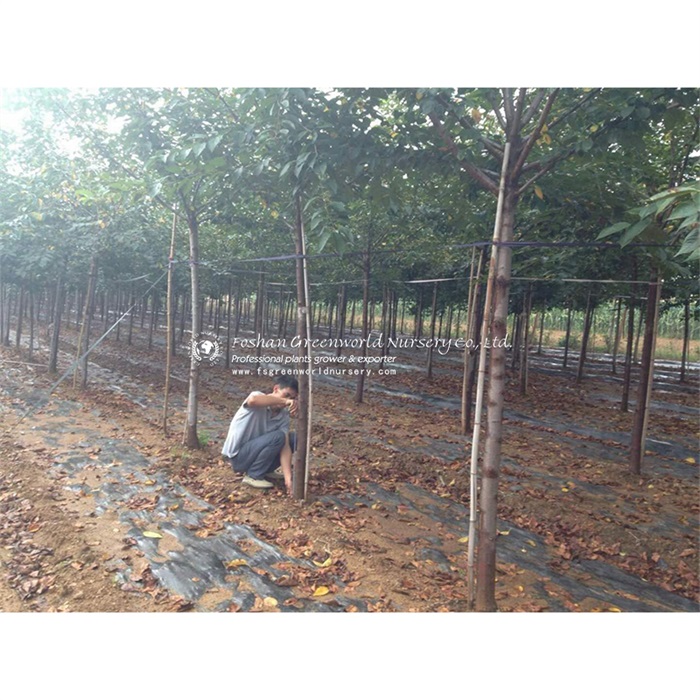
As urbanization accelerates worldwide, the importance of incorporating diverse and resilient tree species into city planning and environmental conservation efforts cannot be overstated. Among the various tree species gaining attention for their ecological benefits and aesthetic appeal is the Karanj tree. Alongside other remarkable species such as Lagerstroemia indica, Delonix regia, Hibiscus tiliaceus (both var. rubra and regular), Pongamia pinnata, Albizia saman, Millingtonia hortensis, Ficus nitida, and many others, the Karanj tree plays a crucial role in enhancing urban green spaces and supporting biodiversity.
### Understanding the Karanj Tree
The Karanj tree, scientifically known as *Pongamia pinnata*, is a fast-growing evergreen tree widely recognized for its ecological and economic value. This medium-sized tree is native to tropical and subtropical regions and is predominantly found across the Indian subcontinent, Southeast Asia, and northern Australia.
Ecologically, the Karanj tree is invaluable for its nitrogen-fixing capability, improving soil fertility and thereby aiding the growth of surrounding plant life. Due to its resilience in poor soil conditions and ability to withstand drought, the Karanj tree is frequently used in reforestation and land reclamation projects. Moreover, the tree’s oil-rich seeds have applications in biofuel production, making it a sustainable resource for energy apart from its traditional medicinal uses.
### Other Noteworthy Tree Species
In addition to the Karanj tree, urban landscapes and green projects benefit from a diverse palette of flora, each contributing uniquely to the environment:
- **Lagerstroemia indica (Crape Myrtle)**: Known for its vibrant and long-lasting blossoms, this deciduous tree adds bursts of color to parks and gardens. It is well-adapted to urban environments and requires minimal maintenance.
- **Delonix regia (Flame Tree)**: Famous for its fiery-orange flowers and sprawling canopy, the flame tree offers excellent shade, reducing urban heat islands and enhancing comfort in public spaces.
- **Hibiscus tiliaceus (Sea Hibiscus)**, including the red variety (*rubra*): These coastal trees thrive in saline soils and are crucial for stabilizing shorelines while offering ornamental value.
- **Albizia saman (Rain Tree)**: With its wide-spreading canopy and fern-like leaves, the rain tree is a favorite in avenues and parks for providing shade and shelter to urban wildlife.
- **Millingtonia hortensis (Indian Cork Tree)**: Celebrated for its fragrant white flowers, this tree is often planted along streets and in gardens to create pleasant aromatic environments.
- **Ficus species such as Ficus nitida, Ficus religiosa (Sacred Fig), and Ficus racemosa**: Their impressive canopies and root systems are vital for supporting bird populations and contributing to urban carbon sequestration.
- **Ginkgo biloba**: As a living fossil, the ginkgo tree stands out for its unique fan-shaped leaves and high resistance to pollution, frequently used in densely populated city areas.
- **Magnolia grandiflora**: This evergreen species with large, fragrant flowers is admired for adding elegance and a sense of classic beauty to ornamental landscapes.
- **Photinia serrulata**: Often used as hedges or ornamental shrubs, Photinia provides year-round color with its red-tinted new leaves.
- **Cinnamomum camphora (Camphor Tree)**: This evergreen is valued for its aromatic leaves and wood, alongside its ability to improve air quality.
- **Prunus yedoensis (Yoshino Cherry)**: Famous for its breathtaking cherry blossoms, this species symbolizes renewal and is a highlight in springtime gardens.
Other species like **Trachycarpus fortunei** (Windmill Palm), **Tecoma stans** (Yellow Bells), **Wodyetia bifurcata** (Foxtail Palm), and **Sea Grape (Coccoloba uvifera)** also add diversity and adaptability to landscaping projects, particularly in tropical and subtropical climates.
### Environmental and Societal Benefits
The integration of these tree species in urban and rural environments yields multifaceted benefits. Trees like the Karanj play a pivotal role in mitigating climate change by sequestering carbon dioxide, reducing soil erosion, and promoting biodiversity. Urban forestry initiatives that include a broad spectrum of species enhance ecosystem resilience, allowing landscapes to better withstand pests, diseases, and the impact of extreme weather events.
From a societal perspective, trees enhance mental and physical well-being by offering serene spaces, improving air quality, and reducing noise pollution. Moreover, many of these species provide livelihood opportunities; for instance, Karanj seeds serve as raw materials in biofuel industries, while others yield timber, medicinal products, or fruits.
### Sustainable Urban Planning and Green Initiatives
With the increasing emphasis on sustainable development, city planners and environmentalists are advocating for the incorporation of native and adaptive species like Karanj and others in their greening strategies. Proper selection and spacing of trees such as *Albizia saman* for shade, *Delonix regia* for ornamental splendour, and hardy species like *Ficus nitida* help create multifunctional green spaces that foster ecological balance.
Furthermore, awareness campaigns and community participation are vital to ensuring the care and maintenance of these vital green assets. Planting initiatives in schools, neighborhoods, and public parks encourage stewardship of urban forestry resources.
### Conclusion
The Karanj tree, alongside an impressive array of species including Lagerstroemia indica, Delonix regia, Hibiscus tiliaceus, Pongamia pinnata, and many others, symbolizes the harmony between nature and modern living spaces. By embracing the ecological and aesthetic potential of these trees, urban environments can transform into healthier, more vibrant, and sustainable habitats for all.
As cities continue to evolve, integrating these species thoughtfully into our landscapes will remain a cornerstone of responsible environmental management and community well-being. Through collective efforts, we can ensure that future generations inherit greener, more resilient, and more beautiful surroundings.