
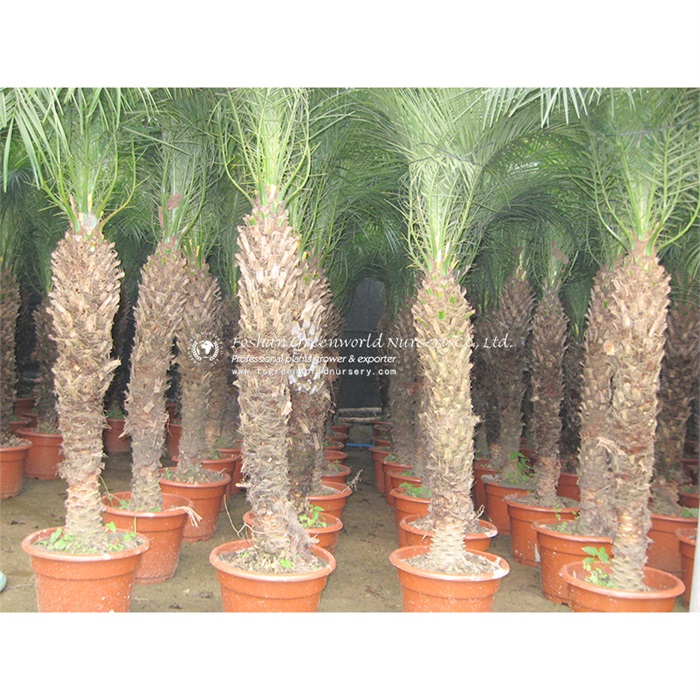
In recent years, urban landscaping and ecological restoration efforts have increasingly embraced sustainable and multifunctional plant species that offer both environmental and aesthetic benefits. Among such plants, the Fistula plant has garnered significant attention for its remarkable adaptability, ecological contributions, and potential applications in urban greening projects.
### Introducing the Fistula Plant
The Fistula plant, known for its resilient nature and ease of cultivation, represents an ideal candidate for integrated landscaping schemes across diverse climatic zones. Its robust growth habits allow it to thrive in varied soil types, including degraded and nutrient-poor lands, making it an excellent choice for restoration efforts and urban landscaping designs aimed at improving green cover.
The plant’s utility extends beyond mere aesthetics. It is valued in environmental management due to its role in soil stabilization, carbon sequestration, and its ability to support local biodiversity by providing habitat and food sources for insects and birds.
### Complementary Plants for Diverse Ecological Functions
In conjunction with the Fistula plant, several other species have been identified to play crucial roles in urban green spaces and ecological restoration initiatives. Notably, species such as Lagerstroemia indica, Delonix regia, Hibiscus tiliaceus (both typical and rubra varieties), Pongamia pinnata, Albizia saman, and Millingtonia hortensis offer multifaceted benefits.
- **Lagerstroemia indica** (commonly known as crepe myrtle): This species is renowned for its vibrant floral display and adaptability to urban conditions. It contributes significantly to beautification projects and attracts pollinators.
- **Delonix regia** (flame tree): With its spectacular red blossoms and broad canopy, the flame tree serves as an excellent shade provider and ornamental tree in parks and avenues.
- **Hibiscus tiliaceus**: Available in both typical and rubra forms, this coastal species enhances soil stabilization, particularly in fragile coastal ecosystems. It is tolerant of saline conditions and helps mitigate erosion.
- **Pongamia pinnata**: This tree is valued for its nitrogen-fixing ability, improving soil fertility naturally. Its seeds also have applications in biofuel production, offering economic incentives for cultivation.
- **Albizia saman** (rain tree): Known for its expansive canopy, it serves as an effective shade tree and supports diverse bird populations.
- **Millingtonia hortensis** (Indian cork tree): This species is appreciated for its pleasant fragrance and rapid growth, often used in avenue plantations.
Additional species listed, such as Ficus nitida, Peltophorum, Ginkgo biloba, Magnolia grandiflora, Photinia serrulata, Cinnamomum camphora, Prunus yedoensis, Trachycarpus fortunei, Tecoma stans, Wodyetia bifurcata, sea grape plant, Ficus religiosa (sacred fig tree), and Ficus racemosa, further diversify urban green landscapes both in structure and form. These varieties support ecological balance, enhance microclimates, and improve urban biodiversity.
### Ecological and Environmental Implications
The strategic planting and integration of these species alongside the Fistula plant yield significant ecological benefits. Urban areas, often characterized by heat islands and poor air quality, can experience cooling effects through increased green cover, improved air filtration, and greater moisture retention.
Moreover, the nitrogen-fixing species such as Pongamia pinnata and Albizia saman reduce dependency on chemical fertilizers, promoting sustainable urban agriculture and greening practices. Trees such as Ginkgo biloba and Magnolia grandiflora not only improve air quality but also add cultural and historical value to public spaces.
The incorporation of coastal and salt-tolerant plants like Hibiscus tiliaceus supports the preservation of sensitive shorelines, ensuring long-term resilience against climate change-induced sea-level rise and extreme weather events.
### Socioeconomic and Cultural Benefits
Beyond their ecological functions, these plants enrich communities socially and culturally. Flowering species like Lagerstroemia indica and Tecoma stans brighten urban environments, fostering mental well-being and encouraging outdoor activities. Trees like Ficus religiosa carry profound religious and cultural significance, serving as focal points in community gatherings.
Additionally, species such as Pongamia pinnata hold economic promise due to their biofuel potential, creating avenues for local livelihoods and contributing to renewable energy goals.
### Forward-Looking Urban Greening Strategies
The combined use of the Fistula plant alongside this diverse palette of trees and shrubs provides a blueprint for creating resilient, functional, and attractive urban green spaces. Landscape architects and city planners are encouraged to consider such integrative approaches to meet the growing needs for ecological sustainability, climate resilience, and community well-being.
Adaptive management and continuous monitoring of these plantings will ensure their long-term success and provide valuable insights into optimizing species combinations in varying environments.
### Conclusion
The Fistula plant, when utilized in synergy with a broad array of complementary plant species, offers a comprehensive approach to urban landscaping that advances ecological health, social benefits, and economic opportunities. As cities worldwide grapple with environmental challenges, embracing such integrative botanical strategies is vital for fostering sustainable, vibrant, and resilient urban ecosystems.