
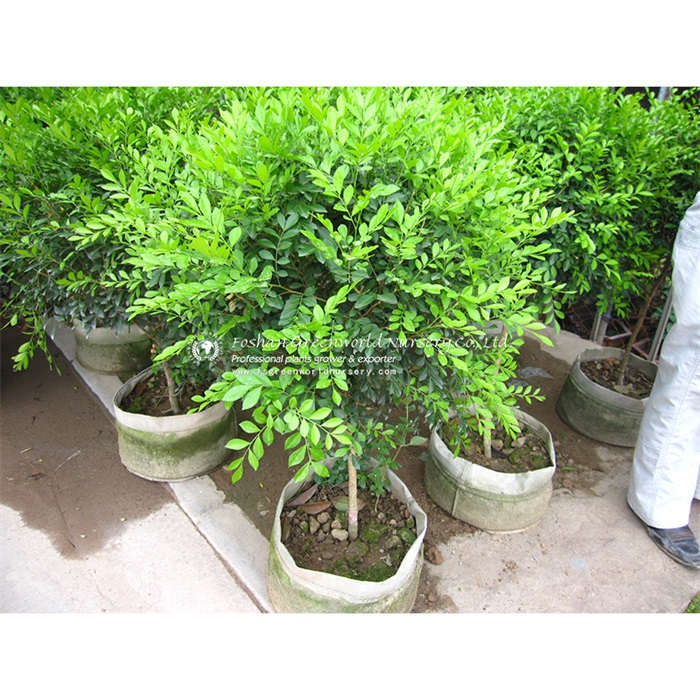
The combination of these plant species not only adds diversity to the landscape, but also creates a harmonious and balanced environment for both humans and wildlife. The Prunus Yoshino, also known as the Yoshino cherry tree, is a deciduous tree that is native to Japan. It is known for its beautiful, delicate pink flowers that bloom in early spring, making it a popular choice for ornamental gardens and public spaces.
The company’s decision to combine the Prunus Yoshino with other plant species is a result of their commitment to creating sustainable and environmentally friendly landscapes. By incorporating a diverse range of plant species, they aim to support biodiversity and create landscapes that are resilient to environmental changes.
The Lagerstroemia Indica, also known as the crape myrtle, is a small to medium-sized deciduous tree that is known for its clusters of colorful and long-lasting flowers. It is a popular choice for landscaping due to its low maintenance requirements and beautiful blooms. When combined with the Prunus Yoshino, the crape myrtle adds a pop of color and texture to the landscape, creating a vibrant and inviting atmosphere.
The Vase Delonix Regia, commonly known as the flamboyant tree, is a species of flowering plant in the bean family. It is renowned for its striking red flowers and fern-like leaves, making it a popular choice for tropical and subtropical landscapes. When paired with the Prunus Yoshino, the flamboyant tree adds a touch of exotic beauty to the landscape, creating a visually stunning and captivating atmosphere.
Another plant species that has been combined with the Prunus Yoshino is the Hibiscus Tiliaceus Rubra, also known as the red hibiscus. This plant is prized for its large, showy flowers and glossy green leaves, making it a favorite for tropical gardens and coastal landscapes. When incorporated into the landscape along with the Prunus Yoshino, the red hibiscus adds a splash of vibrant color and lushness, creating a tropical paradise for both humans and wildlife.
The Pongamia Pinnata, also known as the Indian beech tree, is a species of legume that is valued for its oil-rich seeds and ability to thrive in harsh environmental conditions. When combined with the Prunus Yoshino, the Indian beech tree adds a sense of resilience and strength to the landscape, making it a perfect choice for urban and industrial settings.
The Albizia Saman, also known as the rain tree, is a tropical tree that is admired for its wide, umbrella-like canopy and delicate, fern-like leaves. It is a symbol of beauty and tranquility, and when paired with the Prunus Yoshino, it creates a sense of peace and harmony in the landscape.
The Millingtonia Hortensis, commonly known as the Indian cork tree, is a medium-sized deciduous tree that is highly valued for its fragrant white flowers and ornamental value. When combined with the Prunus Yoshino, the Indian cork tree adds a touch of elegance and grace to the landscape, creating a serene and enchanting atmosphere.
The Ficus Nitida, also known as the Indian laurel fig, is a species of fig tree that is prized for its dense, evergreen foliage and ability to provide shade. It is a popular choice for urban landscapes and public spaces, as it offers a sense of privacy and tranquility. When incorporated into the landscape along with the Prunus Yoshino, the Indian laurel fig adds a sense of seclusion and intimacy, creating a peaceful and inviting environment.
The Peltophorum, also known as the yellow poinciana, is a medium-sized tree that is renowned for its vibrant yellow flowers and fern-like foliage. It is a favorite for tropical landscapes and public parks, as it adds a burst of color and energy. When paired with the Prunus Yoshino, the yellow poinciana adds a sense of joy and vitality to the landscape, creating a cheerful and uplifting atmosphere.
The Ginkgo Biloba, also known as the maidenhair tree, is a unique and ancient species of tree that is prized for its fan-shaped leaves and distinctive beauty. It is a symbol of longevity and resilience, and when combined with the Prunus Yoshino, the maidenhair tree adds a sense of history and timelessness to the landscape, making it a perfect choice for public gardens and historic sites.
The Magnolia Grandiflora, also known as the southern magnolia, is a large evergreen tree that is valued for its large, fragrant flowers and glossy green leaves. It is a symbol of purity and nobility, and when incorporated into the landscape along with the Prunus Yoshino, the southern magnolia adds a sense of grandeur and elegance, creating a regal and majestic atmosphere.
The Photinia Serrulata, also known as the Chinese photinia, is a species of evergreen shrub that is treasured for its vibrant red foliage and ability to create a dense, compact hedge. It is a popular choice for formal gardens and urban landscapes, as it adds a sense of order and structure. When paired with the Prunus Yoshino, the Chinese photinia adds a sense of refinement and sophistication to the landscape, creating a polished and elegant atmosphere.
The Cinnamomum Camphora, also known as the camphor tree, is a species of evergreen tree that is highly valued for its aromatic wood and glossy green leaves. It is a popular choice for medicinal and aromatic purposes, and when combined with the Prunus Yoshino, the camphor tree adds a sense of healing and rejuvenation to the landscape, making it a perfect choice for botanical gardens and wellness centers.
The Trachycarpus Fortunei, also known as the windmill palm, is a cold-hardy species of palm tree that is prized for its stout trunk and fan-shaped leaves. It is a favorite for temperate and coastal landscapes, as it adds a sense of exotic beauty and resilience. When incorporated into the landscape along with the Prunus Yoshino, the windmill palm adds a sense of tropical paradise and serenity, creating a tranquil and inviting environment.
The Tecoma Stans, also known as the yellow trumpetbush, is a species of flowering shrub that is admired for its bright yellow flowers and ability to attract pollinators. It is a popular choice for wildlife gardens and pollinator-friendly landscapes, as it adds a sense of vibrancy and life. When paired with the Prunus Yoshino, the yellow trumpetbush adds a sense of energy and vitality to the landscape, creating a dynamic and lively atmosphere.
The Wodyetia Bifurcata, also known as the foxtail palm, is a striking species of palm tree that is valued for its feathery fronds and slender trunk. It is a symbol of exotic beauty and grace, and when combined with the Prunus Yoshino, the foxtail palm adds a sense of elegance and allure to the landscape, creating a sophisticated and captivating atmosphere.
The Sea Grape Plant is a coastal species of evergreen tree that is renowned for its distinctive round leaves and ability to tolerate salt spray. It is a favorite for beachfront landscapes and coastal gardens, as it adds a sense of coastal charm and resilience. When incorporated into the landscape along with the Prunus Yoshino, the sea grape plant adds a sense of tranquility and coastal beauty, creating a serene and inviting environment.
The Ficus Religiosa Bonsai, also known as the sacred fig tree, is a species of fig tree that is revered for its religious and cultural significance. It is a symbol of wisdom and enlightenment, and when paired with the Prunus Yoshino, the sacred fig tree adds a profound sense of spirituality and tranquility to the landscape, creating a sacred and introspective atmosphere.
The Ficus Racemosa is a species of fig tree that is prized for its dense, evergreen foliage and ability to provide shade. It is a popular choice for urban landscapes and public parks, as it offers a sense of privacy and tranquility. When incorporated into the landscape along with the Prunus Yoshino, the fig tree adds a sense of seclusion and intimacy, creating a peaceful and inviting environment.
Overall, the combination of these diverse plant species with the Prunus Yoshino creates a captivating and diverse landscape that is both beautiful and environmentally sustainable. By supporting biodiversity and creating resilient landscapes, the company behind this innovative project is setting a new standard for sustainable landscaping and gardening practices. Their commitment to creating harmonious and balanced environments is an inspiring example of how businesses can make a positive impact on our planet and support the well-being of both humans and wildlife. With their innovative approach and dedication to environmental stewardship, they are paving the way for a greener and more sustainable future.