
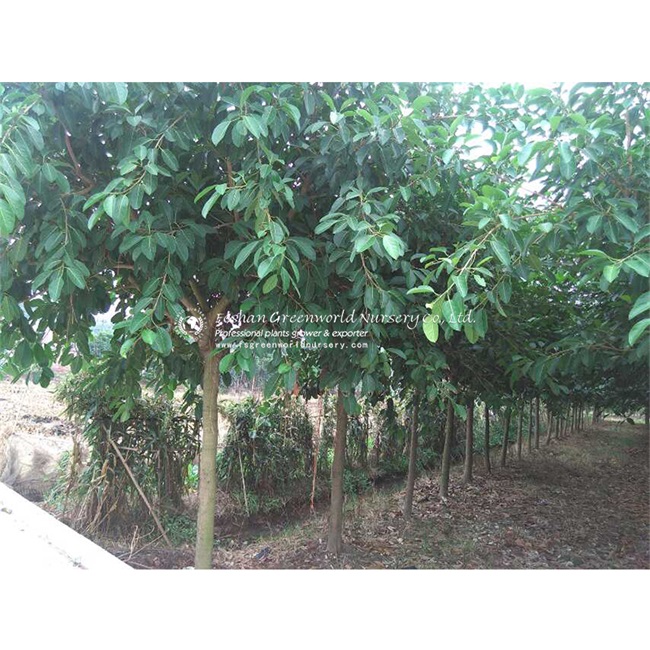
In recent years, the increasing emphasis on sustainable urban development and green spaces has sparked an interest in diverse and resilient tree species. Among the various options, the **Evergreen Magnolia Tree** has emerged as a remarkable candidate for city planners, landscapers, and nature enthusiasts alike. Known for its majestic presence, year-round foliage, and adaptability, the Evergreen Magnolia Tree not only beautifies urban and suburban environments but also contributes significantly to ecological health.
### The Evergreen Magnolia Tree: Characteristics and Appeal
The Evergreen Magnolia Tree, scientifically known as *Magnolia grandiflora*, is celebrated for its large, glossy green leaves and fragrant white flowers that often bloom during summer. Unlike many deciduous trees, the evergreen nature of this magnolia guarantees visual appeal and natural shade throughout the year, making it a favorite in both public parks and private gardens. Its tolerance to pollution and varying soil conditions allows it to thrive in tough urban settings.
One of the most compelling qualities of the Evergreen Magnolia Tree is its low maintenance requirements. It resists many common pests and diseases, reducing the need for chemical interventions. Additionally, its deep root system helps with soil stabilization, which is particularly useful in preventing erosion in urban landscapes.
### Integration with Other Trees and Plants for Enhanced Urban Biodiversity
The Evergreen Magnolia Tree is often part of a broader ecosystem that includes an array of other ornamental and ecological tree species, each contributing unique benefits to urban environments. Notable examples include:
- **Lagerstroemia Indica (Crape Myrtle):** Known for its vibrant blooms, Lagerstroemia Indica adds seasonal color to cityscapes.
- **Delonix Regia (Royal Poinciana):** This tree is famous for its fiery red flowers and expansive canopy, providing ample shade.
- **Hibiscus Tiliaceus Rubra:** Adds a tropical touch with its striking red-hued flowers.
- **Pongamia Pinnata:** Recognized for its nitrogen-fixing ability, which improves soil fertility.
- **Albizia Saman (Rain Tree):** Provides dense shade and enhances the green cover.
- **Millingtonia Hortensis:** Known as the Indian cork tree, it has fragrant white flowers and is used for urban greening.
- **Ficus Nitida (Indian Laurel Fig):** A versatile tree perfect for urban shade and widely used in landscaping.
- **Peltophorum:** Offers bright yellow flowers ideal for aesthetic enhancement.
- **Ginkgo Biloba:** An ancient species valued for its unique fan-shaped leaves and resistance to pollution.
- **Photinia Serrulata:** Typically used as decorative shrubs and hedges due to their red-tinted young leaves.
- **Cinnamomum Camphora (Camphor Tree):** Provides dense shade and has aromatic qualities.
- **Prunus Yedoensis (Yoshino Cherry):** Best known for its beautiful spring blossoms.
- **Trachycarpus Fortunei (Windmill Palm):** Adds a tropical flair with its slender trunk and fan-shaped leaves.
- **Tecoma Stans (Yellow Bells):** Bright yellow flowers that attract pollinators.
- **Wodyetia Bifurcata (Foxtail Palm):** Another tropical palm species, renowned for its graceful appearance.
- **Sea Grape Plant:** Popular for coastal landscaping due to its salt tolerance.
- **Ficus Religiosa (Sacred Fig Tree):** Revered in many cultures, adding spiritual and historical significance to urban green spaces.
- **Ficus Racemosa:** Known for its multiple fig fruits, important for local wildlife.
By combining the Evergreen Magnolia Tree with these species, planners create multifaceted urban forests and parks that support biodiversity, improve air quality, and offer recreational spaces for communities.
### Environmental and Socio-Economic Benefits
Planting the Evergreen Magnolia Tree and its companion species contributes richly to the environment. Trees sequester carbon dioxide, reducing the urban heat island effect and mitigating climate change impacts. The evergreen leaves provide continuous photosynthesis throughout the year, enhancing carbon capture.
Furthermore, these trees improve air quality by filtering pollutants and dust, which is critical in urban areas with heavy vehicular traffic and industrial emissions. Their shade reduces energy consumption for cooling buildings, lowering electricity demand.
On a social level, well-planned green spaces with trees such as the Evergreen Magnolia improve mental health and quality of life by providing areas of relaxation, recreation, and connection to nature. They increase property values and attract tourism and business investments through aesthetic enhancement and environmental stewardship.
### Implementation and Future Outlook
Cities looking to integrate the Evergreen Magnolia Tree into their green infrastructure can draw on the expertise and resources provided by leading horticultural and landscaping companies specializing in urban forestry. These organizations offer guidance on species selection, planting techniques, and long-term care, ensuring tree survival and growth.
The future of urban forestry lies in diversified planting strategies that incorporate native and adaptive species capable of withstanding climatic and environmental challenges. The Evergreen Magnolia Tree, alongside species such as Ginkgo Biloba, Ficus Religiosa, and Delonix Regia, represents a blend of beauty, resilience, and functionality.
### Conclusion
The Evergreen Magnolia Tree stands as a testament to the importance of selecting the right vegetation to foster sustainable, livable urban environments. Its year-round greenery, robust nature, and compatibility with a wide range of tree species make it indispensable for modern landscaping. When combined thoughtfully with other trees—including Lagerstroemia Indica, Albizia Saman, and Ficus Nitida—it contributes to healthier cities that value ecological balance, aesthetic beauty, and community well-being.
As urban centers continue to grow and evolve, investing in trees like the Evergreen Magnolia and its diverse companions is an investment in the future—a future where green spaces not only survive but thrive amid the urban hustle.