
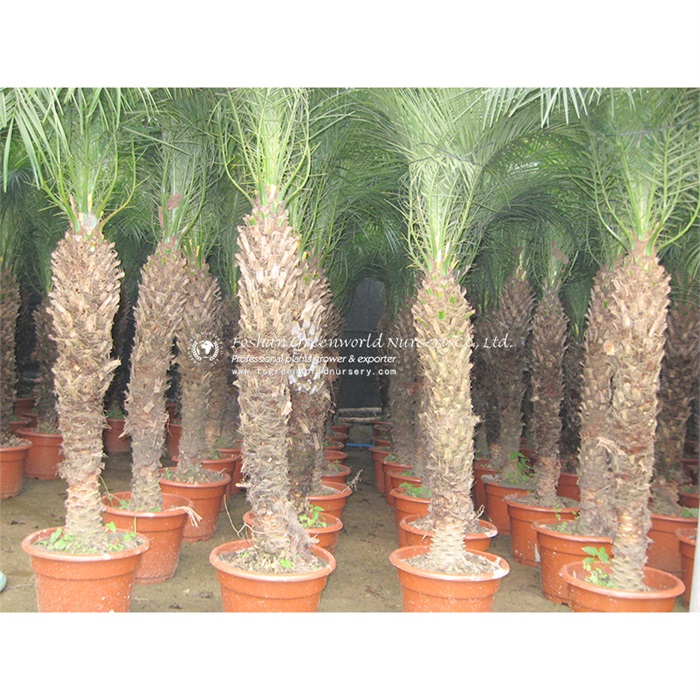
In recent years, the push for urban greening and environmental conservation has gained significant momentum across cities worldwide. As urban areas continue to expand and face the challenges of pollution, climate change, and biodiversity loss, the selection and cultivation of appropriate tree species have become central to ecological and aesthetic planning. A variety of native and ornamental plants are being widely adopted for their environmental benefits, adaptability to urban conditions, and visual appeal.
Among the notable species gaining attention are Lagerstroemia indica, Delonix regia, Hibiscus tiliaceus rubra, Pongamia pinnata, Albizia saman, Millingtonia hortensis, Ficus nitida, Peltophorum, Ginkgo biloba, Magnolia grandiflora, Photinia serrulata, Cinnamomum camphora, Prunus yedoensis, Trachycarpus fortunei, Tecoma stans, Wodyetia bifurcata, Sea grape (Coccoloba uvifera), Ficus religiosa (Sacred fig tree), and Ficus racemosa. These species, among others, represent a diverse palette of trees and shrubs that urban planners and horticulturists are incorporating into green spaces to promote sustainability and enrich cityscapes.
**Ecological Benefits of Diverse Tree Species**
Trees play a fundamental role in reducing urban heat island effects by providing shade and cooling through evapotranspiration. Species like Delonix regia, often recognized for its flamboyant orange-red flowers, contribute not only shade but also serve as habitat for bird species. Similarly, the Lagerstroemia indica, commonly known as crape myrtle, blooms profusely in summer months and is favored for its drought resistance and ornamental value.
Native species such as Pongamia pinnata (also called Indian beech) stand out for their nitrogen-fixing capabilities, enhancing soil fertility and reducing the need for chemical fertilizers. This characteristic is particularly significant in degraded or poor soils often encountered in urban environments. Albizia saman, known as the rain tree, produces a wide canopy beneficial for shading playgrounds and parks while sequestering substantial amounts of carbon dioxide.
Certain trees like Millingtonia hortensis and Magnolia grandiflora provide fragrant blossoms, contributing not only to the sensory experience but also supporting pollinators that are crucial for maintaining urban biodiversity. Ficus species such as Ficus nitida and Ficus religosa (the sacred fig tree) are revered not only for their towering presence and shade but also for their cultural and religious significance in many communities.
**Suitability for Urban Settings**
Beyond ecological benefits, these tree species have traits that make them well-suited for urban environments. For example, Photinia serrulata is often used as a hedge or screen, thanks to its dense foliage and relatively low maintenance requirements. Cinnamomum camphora, or camphor tree, although large, is valued for its aromatic leaves and resilience in polluted areas.
Prunus yedoensis, known as the Yoshino cherry, provides iconic springtime blossoms that enliven urban parks and streetscapes, boosting tourism and community well-being. Trachycarpus fortunei, or windmill palm, introduces a tropical flair to landscapes and is tolerant of varied soil types.
Tecoma stans, with its trumpet-shaped yellow flowers, attracts hummingbirds and butterflies, enhancing urban biodiversity. Wodyetia bifurcata, known as the foxtail palm, is sought after for its unique leaf structure and is often used in commercial landscaping.
The Sea Grape plant (Coccoloba uvifera), native to coastal regions, offers erosion control and salt tolerance, making it ideal for waterfront greening projects.
**Integrating Bonsai and Sacred Trees in Urban Spaces**
The cultivation of bonsai versions of species such as Ficus religiosa and Ficus racemosa offers an opportunity to blend artistry with environmental awareness. The sacred fig tree (Ficus religiosa) holds tremendous cultural importance across many Asian societies and symbolizes longevity and enlightenment. Introducing such culturally significant trees in public parks and temples fosters community identity and preserves heritage.
**Planting for the Future: A Holistic Approach**
The increasing incorporation of these species into urban planting schemes reflects a holistic approach to environmental management—balancing aesthetics, ecological function, cultural values, and community engagement. Municipalities and developers are recognizing that planting the right mix of trees not only contributes to cleaner air and cooler neighborhoods but also results in improved mental health for residents by providing serene green refuges amidst concrete jungles.
Moreover, selecting species with varying flowering periods ensures year-round visual interest and continuous ecological support for pollinators. Attention to soil requirements, water needs, and growth habits helps reduce maintenance costs and ensures tree longevity in challenging urban contexts.
**Challenges and Considerations**
While many of these species present tremendous benefits, urban planners must consider potential drawbacks such as invasive tendencies, allergenic pollen production, or large root systems that can disrupt pavements and underground utilities. Proper placement and regular care are necessary to mitigate such issues. Public awareness campaigns and expert guidance are critical in promoting responsible planting and stewardship.
**Conclusion**
The diversity of tree species like Lagerstroemia indica, Delonix regia, Hibiscus tiliaceus rubra, Pongamia pinnata, Albizia saman, and many others provides a rich resource for urban greening initiatives worldwide. These plants not only enhance the beauty and livability of cities but also contribute significantly to environmental sustainability and cultural preservation. As cities evolve, integrating varied and well-adapted tree species into planning will be essential in fostering resilient, vibrant, and healthy urban ecosystems for generations to come.