
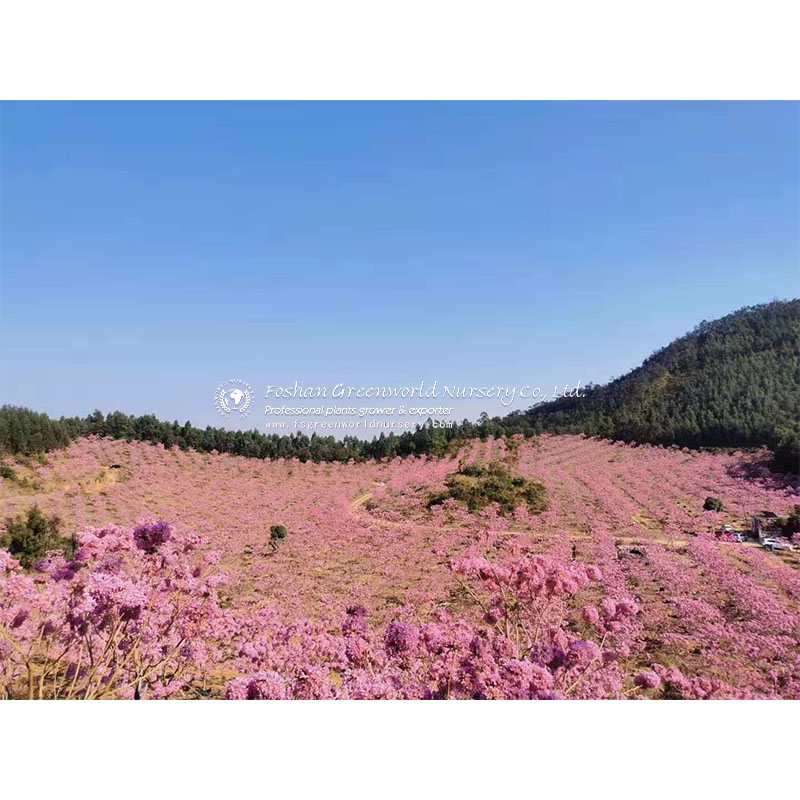
In recent years, the selection of plants for urban landscaping and environmental enhancement has gained increasing attention. The choices often include a variety of ornamental, shade, and ecological species that not only enhance aesthetic appeal but also contribute to sustainability and biodiversity. Among these, a diverse list of species such as *Lagerstroemia indica*, *Delonix regia*, *Hibiscus tiliaceus*, *Pongamia pinnata*, *Albizia saman*, *Millingtonia hortensis*, *Ficus nitida*, *Peltophorum*, *Ginkgo biloba*, *Magnolia grandiflora*, *Photinia serrulata*, *Cinnamomum camphora*, *Prunus yedoensis*, *Trachycarpus fortunei*, *Tecoma stans*, *Wodyetia bifurcata*, *Ficus religiosa*, and *Ficus racemosa* represent a rich palette that landscape architects and urban planners often consider. Notably, the *Coccoloba* genus, commonly referred to as the sea grape plant, also features prominently in recent landscaping projects due to its unique characteristics.
### Coccoloba Plant: A Versatile and Resilient Choice
The *Coccoloba* plant, widely known as the sea grape, is prized for its adaptability to coastal environments and its sprawling foliage that provides excellent shade. This plant is a perennial favorite in tropical and subtropical urban landscapes for several reasons. It thrives in a variety of soil types, withstands salt spray from ocean air, and is resistant to many pests and diseases, making it a low-maintenance option for city planners.
In addition to its decorative qualities, the sea grape plant supports local biodiversity by providing food and habitat for birds and pollinators. The large, round leaves also contribute to cooling urban areas by shading surfaces and reducing heat buildup. Its broader environmental benefits align well with green urban infrastructure initiatives aimed at mitigating urban heat island effects and promoting ecological corridors within cities.
### Complementary Trees for Landscaping and Environmental Benefits
Alongside the *Coccoloba* plant, the introduction of several other complementary species enriches the landscape both visually and functionally.
- **Lagerstroemia indica (Crape Myrtle)**: Renowned for its vibrant summer flowers in shades of purple, pink, and white, *Lagerstroemia indica* adds seasonal color and is well-suited to urban environments because of its moderate size and drought tolerance.
- **Delonix regia (Flamboyant Tree)**: This iconic tree features fiery orange-red flowers and a wide canopy that provides extensive shade, making it a preferred choice in parks and boulevards.
- **Hibiscus tiliaceus (Beach Hibiscus)**: With its heart-shaped leaves and yellow flowers, this species thrives in coastal and riparian zones, stabilizing soils while enhancing visual appeal.
- **Pongamia pinnata (Indian Beech)**: This nitrogen-fixing tree contributes to soil fertility and is valued for supporting sustainable agroforestry practices.
- **Albizia saman (Rain Tree)**: With its spreading canopy and rapid growth, the rain tree is a powerful natural air conditioner and a favorite in urban shade programs.
- **Millingtonia hortensis (Indian Cork Tree)**: Known for its fragrant white flowers and elegant form, it offers both beauty and shade, particularly in tropical landscapes.
- **Ficus species** (such as *Ficus nitida*, *Ficus religiosa*, *Ficus racemosa*): These fig trees have ecological importance as keystone species in many ecosystems, providing fruits for diverse animals and contributing to microclimate regulation.
- **Peltophorum**, **Magnolia grandiflora**, **Photinia serrulata**, **Cinnamomum camphora**, **Prunus yedoensis** (Yoshino cherry), **Trachycarpus fortunei** (windmill palm), and **Tecoma stans (yellow bells)** each add unique textures, colors, and fragrances to landscapes, accommodating various climate conditions and design preferences.
### Ecological and Urban Benefits
Beyond aesthetics, the inclusion of such a diverse array of species contributes to several critical ecological services:
- **Air Quality Improvement**: Many species such as *Magnolia grandiflora* and *Ginkgo biloba* are efficient at sequestering carbon and filtering airborne pollutants.
- **Biodiversity Support**: The fruiting trees like figs and sea grape offer food for birds and other wildlife, encouraging urban biodiversity.
- **Climate Regulation**: Shade trees reduce temperatures in built environments, cutting down energy use for cooling buildings.
- **Soil Health Enhancement**: Nitrogen-fixing species like *Pongamia pinnata* improve soil fertility naturally, reducing the need for chemical inputs.
- **Water Management**: Species with extensive root systems, like *Albizia saman* and *Ficus* trees, assist with stormwater infiltration, reducing runoff and flooding risks.
### Implementation in Urban and Regional Landscaping
The multi-purpose roles of these plants position them as strategic assets in urban greening projects. Planners and horticulturists recommend mixed-species plantings to improve resilience against pests, diseases, and changing climate conditions. Moreover, the local adaptation of species like *Coccoloba* and *Hibiscus tiliaceus* ensures sustainability and longevity of urban green spaces.
Programs focusing on green corridors can interconnect spaces using these trees to create habitats for wildlife and pleasant recreational areas for urban residents. The aesthetic diversity stemming from flowering times, foliage colors, and structural forms allows designers to craft year-round interest and cultural relevance through choices like the culturally significant *Ficus religiosa* or the iconic *Prunus yedoensis* cherry blossoms.
### Conclusion
The rich assemblage of trees including the *Coccoloba* or sea grape plant, along with a host of ornamental and shade species, represents an important toolkit for enhancing urban and regional landscapes. Their combined benefits of ecology, climate resilience, and urban liveability underscore their indispensable role in the future of sustainable city planning and green infrastructure development. Aspiring to leverage this diversity ensures healthier urban ecosystems and more vibrant, livable communities for generations to come.