
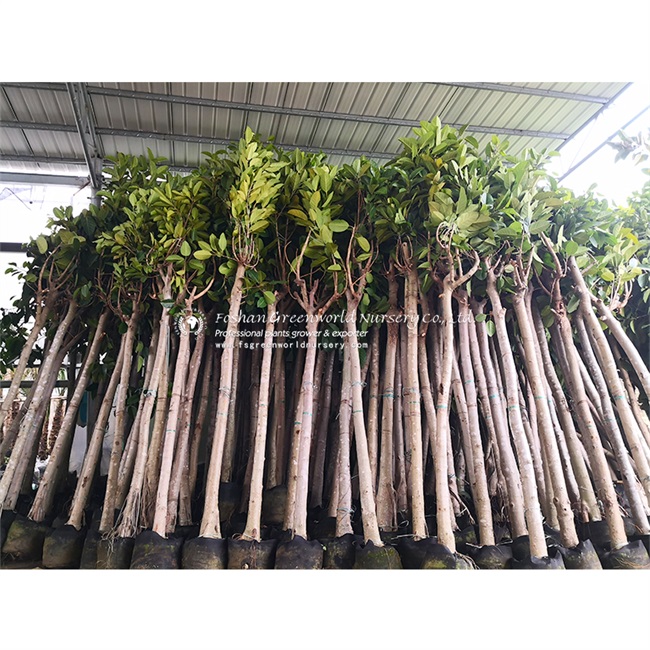
In the ever-evolving world of horticulture and urban landscaping, the blend of aesthetic appeal and environmental benefits plays a crucial role in shaping green spaces. Among the myriad of plant species favored by gardeners and urban planners alike, the bonsai Hibiscus Tiliaceus stands out for its unique charm and adaptability. Coupled with a diverse selection of tree species such as Lagerstroemia Indica, Delonix Regia, and Ficus Nitida, this plant contributes significantly to the vibrancy and ecological balance in both residential and commercial landscapes.
### The Charm of Bonsai Hibiscus Tiliaceus
The Hibiscus Tiliaceus, particularly in its bonsai form, is celebrated for its elegant foliage and beautiful blossoms. Often known as the Sea Hibiscus, this species thrives in coastal and tropical environments, making it a popular choice for bonsai enthusiasts who appreciate its resilience and ease of shaping. Unlike many bonsai trees that require intricate care, the Hibiscus Tiliaceus adapts well to container growth and climate fluctuations, allowing both beginners and experts to nurture it successfully.
Bonsai cultivation transforms the Hibiscus Tiliaceus into a miniature natural masterpiece, balancing art and nature. Its broad, heart-shaped leaves and striking yellow to orange flowers create a focal point of tranquility and beauty in any indoor or outdoor setting. Moreover, this bonsai tree is often associated with good luck and positive energy, which adds a cultural and symbolic appeal in various traditions.
### Diverse Tree Species Enhancing Urban Spaces
The bonsai Hibiscus Tiliaceus is part of a larger group of plants including Lagerstroemia Indica (commonly known as Crepe Myrtle), Delonix Regia (Flamboyant tree), Hibiscus Tiliaceus Rubra, Pongamia Pinnata, Albizia Saman, Millingtonia Hortensis, Ficus Nitida, and many others like Ginkgo Biloba and Magnolia Grandiflora. Each species offers unique attributes that enhance urban landscaping projects and ecological efforts in multiple ways:
- **Lagerstroemia Indica**: Known for its vibrant summer blooms and striking bark, this tree adds seasonal color and texture variety.
- **Delonix Regia**: With its flamboyant red flowers and expansive canopy, it provides excellent shade and aesthetic appeal in parks and along streets.
- **Pongamia Pinnata**: Valued for its nitrogen-fixing properties, this species helps improve soil health while supporting local biodiversity.
- **Albizia Saman** (Rain Tree): Its spreading canopy offers extensive shade, reducing urban heat islands and improving outdoor comfort.
- **Millingtonia Hortensis**: Known as the Indian cork tree, it produces fragrant white blossoms that enhance sensory experiences in gardens.
- **Ficus Nitida**: Often used in bonsai and large-scale plantings alike, it is prized for its dense foliage and air-purifying qualities.
- **Ginkgo Biloba**: A living fossil, this tree adds historical interest and is renowned for its medicinal properties.
- **Magnolia Grandiflora**: With its large, glossy leaves and magnolia-scented flowers, it is a southern garden favorite.
### Environmental and Cultural Significance
The incorporation of diverse tree species in urban planning is more than an aesthetic decision; it is an environmental imperative. Trees such as Prunus Yedoensis, Trachycarpus Fortunei, and Tecoma Stans contribute to cleaner air by filtering pollutants and providing oxygen. Trees like Wodyetia Bifurcata and Sea Grape Plant help stabilize soil in coastal zones, preventing erosion and safeguarding ecosystems.
Culturally, many of these species carry symbolic meanings. For example, Ficus Religiosa, also known as the Sacred Fig Tree, holds profound spiritual significance across several Asian cultures, while Ficus Racemosa is often linked with traditional medicine and rituals.
### Enhancing Urban Resilience and Quality of Life
Modern cities face challenges like climate change, rising temperatures, and loss of biodiversity. The strategic planting of resilient tree species helps counter these issues by cooling the environment, supporting wildlife habitats, and enhancing mental well-being. Incorporating bonsai Hibiscus Tiliaceus in this green mosaic creates mini ecosystems that foster mindfulness and connection to nature, especially in urban dwellers' busy lives.
### Conclusion
The bonsai Hibiscus Tiliaceus, alongside a diverse array of tree species such as Lagerstroemia Indica, Delonix Regia, and Ficus Nitida, exemplifies the intersection of beauty, function, and cultural richness in contemporary horticulture. As cities and individuals increasingly recognize the importance of green spaces, these plants emerge as vital components of sustainable landscaping and ecological stewardship.
By embracing the cultivation and preservation of such unique and diverse flora, communities can nurture healthier, more vibrant environments that honor both nature and tradition. Whether through the delicate artistry of the bonsai or the grandeur of majestic shade trees, the natural world continues to inspire and sustain life in myriad ways.