
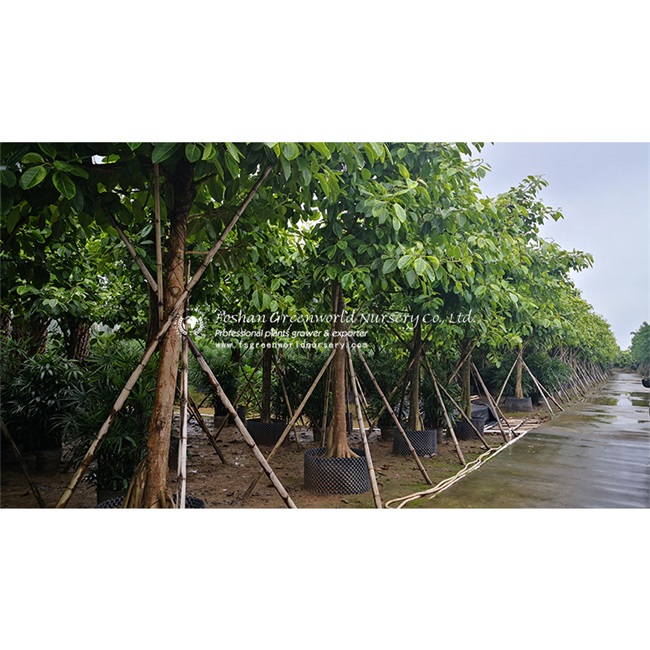
In recent years, Cassia Glauca has garnered significant attention for its remarkable therapeutic properties and diverse applications in traditional and contemporary medicine. This plant, known for its rich phytochemical profile, offers promising benefits that align with the increasing global interest in natural and plant-based remedies.
Cassia Glauca is a member of the leguminous family and is widely recognized for its use in Ayurveda and other traditional medicinal systems. Its leaves, flowers, and pods contain bioactive compounds such as flavonoids, anthraquinones, and phenolic acids, which contribute to its anti-inflammatory, antioxidant, and antimicrobial properties. These benefits have led researchers to explore its potential in treating various ailments, including skin diseases, diabetes, and microbial infections.
Complementing the medicinal virtues of Cassia Glauca is an impressive roster of botanicals utilized in advanced horticultural and pharmacological settings. Plants like Lagerstroemia Indica, Delonix Regia, Hibiscus Tiliaceus, and Ginkgo Biloba are known not only for their botanical beauty but also for their medicinal and ecological contributions.
For instance, **Lagerstroemia Indica**, commonly known as crape myrtle, is renowned for its ornamental appeal and its role in traditional medicine, easing digestive issues and inflammation. **Delonix Regia**, or flame tree, is celebrated for its vibrant blossoms and is traditionally used in remedies for respiratory ailments.
The inclusion of **Hibiscus Tiliaceus Rubra** and **Hibiscus Tiliaceus** highlights the significant role of hibiscus plants. These species are known for their antioxidant properties and are frequently used in herbal teas and skin care products to promote health and vitality. The red variant, Rubra, in particular, is prized for its higher anthocyanin content, offering superior anti-inflammatory effects.
**Pongamia Pinnata**, another leguminous tree, has been historically used for its biofuel potential as well as its medicinal properties. Its seed oil is applied in treating skin diseases and rheumatism, illustrating the multifunctional applications of these plants.
**Albizia Saman**, known as the rain tree, is appreciated for its shade-providing canopy and has relevance in traditional medicine due to its anti-inflammatory and analgesic effects.
In consideration of other significant plants, **Millingtonia Hortensis**, **Ficus Nitida**, and **Peltophorum** species hold prominence for their ornamental and ecological value, while also featuring in traditional therapeutic practices.
Among the leafy giants, **Ginkgo Biloba** stands out for its well-documented cognitive benefits, often used to enhance memory and circulation. This ancient plant’s extracts are incorporated widely in supplements and herbal formulations.
**Magnolia Grandiflora** is appreciated both as an ornamental tree and for compounds found in its flowers and bark that exhibit anti-anxiety and antimicrobial effects.
The list also includes **Photinia Serrulata**, a popular choice for landscaping with noted antimicrobial constituents, and **Cinnamomum Camphora**, known for extracting camphor used in medicines and aromatherapy.
**Prunus Yedoensis**, famous for its stunning cherry blossoms, contributes cultural value and is also recognized for its phytochemical components useful in various extracts.
Other noteworthy mentions include **Trachycarpus Fortunei**, a hardy palm species used in ornamental horticulture; **Tecoma Stans**, a shrub with anti-diabetic and antimicrobial properties; and **Wodyetia Bifurcata**, a palm valued for landscaping purposes.
Coastal and tropical species like the **Sea Grape Plant** add ecological diversity while serving medicinal and culinary roles in respective cultures.
Furthermore, the **Ficus** genus is exceptionally represented by species such as **Ficus Religiosa (the Sacred Fig)** and **Ficus Racemosa**, both revered for their spiritual significance and notable healing properties. These trees are embedded deeply in cultural traditions and modern phytomedicine alike.
The convergence of traditional knowledge and scientific inquiry into these plants offers promising avenues for developing new therapies and sustainable horticultural practices. Cassia Glauca, with its potent medicinal profile, stands as a remarkable example of this synergy.
Research continues to delve into the effective utilization of such botanical resources, aiming to harness their natural compounds for creating innovative health solutions. Combined with supportive botanical species, the potential rises not only for improved healthcare but also for advances in ecological conservation and sustainable landscaping.
Understanding the multifaceted benefits of Cassia Glauca, alongside a diverse array of medicinal and ornamental plants, sheds light on the profound potential locked within nature. It invites industries, researchers, and communities worldwide to appreciate and responsibly utilize these invaluable botanical treasures for a healthier, more sustainable future.