
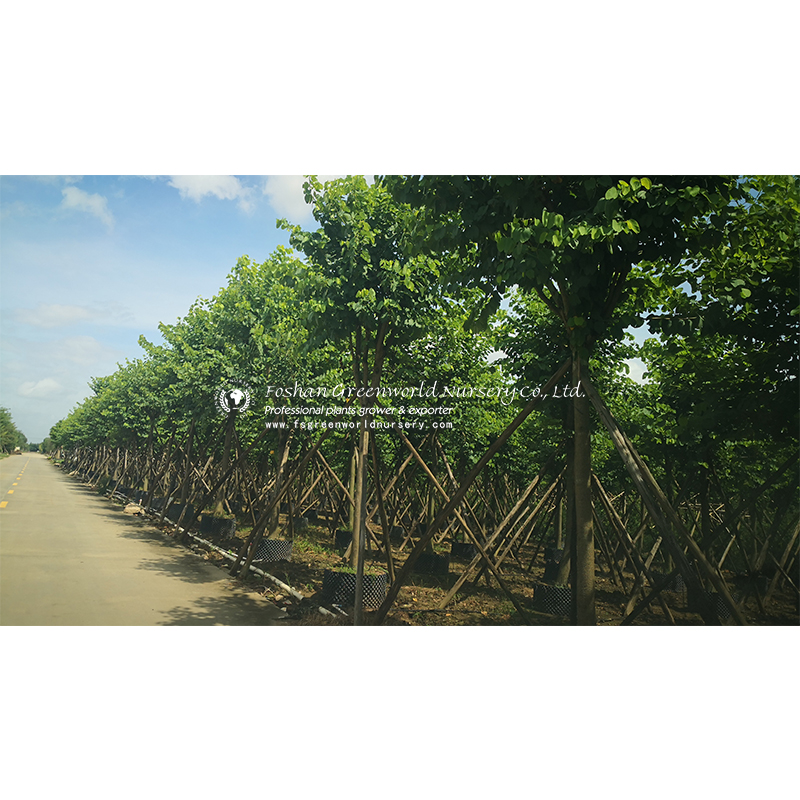
In the ongoing quest to enhance urban environments and promote ecological balance, a diverse range of tree species is being increasingly recognized for their contribution to environmental sustainability, aesthetic beauty, and community well-being. Among these species, Albizia Lebbeck stands out as a vital component of urban greening projects, thanks to its rapid growth, air-purifying qualities, and shade-providing canopy. Coupled with an extensive list of complementary flora, such as Lagerstroemia Indica, Delonix Regia, Hibiscus Tiliaceus Rubra, and many more, this diverse botanical portfolio is helping cities worldwide achieve greener, healthier, and more vibrant urban landscapes.
**Albizia Lebbeck: The Pillar of Urban Greening**
Albizia Lebbeck, often referred to as the ‘siris tree’ or ‘woman’s tongue tree’, is valued for its fast-growing nature and broad, umbrella-shaped crown that provides generous shade. It thrives in a variety of climates, particularly in tropical and subtropical regions, making it an ideal candidate for city landscaping projects. Its ability to fix nitrogen into the soil enhances ground fertility and promotes the growth of understorey plants, creating a thriving micro-ecosystem within urban confines.
Beyond its ecological benefits, Albizia Lebbeck plays a crucial role in air purification by absorbing carbon dioxide and other pollutants, thus improving air quality in densely populated areas. Its delicate and fragrant flowers attract pollinators and add to the urban biodiversity, while its extensive root system aids in soil stabilization and erosion control.
**A Diverse Arsenal of Green Allies**
In addition to Albizia Lebbeck, a rich selection of trees is being utilized to promote ecological health and urban aesthetic. Lagerstroemia Indica, commonly known as crape myrtle, is prized for its long-lasting summer blooms and smooth bark, enhancing the visual appeal of parks and streetscapes. It’s drought-tolerant and adapts well to urban stressors, making it a popular choice for low-maintenance green areas.
Delonix Regia, or the flame tree, captivates with its fiery red flowers and wide spreading canopy, offering both shade and seasonal color bursts in neighborhoods. Its presence signals a vibrant urban ecosystem that supports birds and beneficial insects.
Other species of significance include Hibiscus Tiliaceus Rubra, known for its attractive red flowers and salt tolerance, making it ideal for coastal urban areas. Pongamia Pinnata contributes to urban greening through its nitrogen-fixing ability and potential as a biofuel source, illustrating the growing trend toward multifunctional urban vegetation.
Albizia Saman, Millingtonia Hortensis, and Ficus species such as Ficus Nitida and Ficus Religiosa provide shade and serve as important cultural and ecological landmarks in city parks and streets. These species are notable for their longevity and expansive canopies, which mitigate urban heat island effects—critical in the face of increasing global temperatures.
Peltophorum, Ginkgo Biloba, and Magnolia Grandiflora represent a selection of broad-leafed evergreens and unique gymnosperms valued for their ornamental qualities and adaptability. Photinia Serrulata adds winter interest with its scarlet new leaves, while Cinnamomum Camphora (camphor tree) offers aromatic foliage and resistant hardwood.
Prunus Yedoensis, famous for its springtime cherry blossoms, contributes to cultural heritage and seasonal tourism in urban settings, underscoring the social value of urban forestry.
Trachycarpus Fortunei and Tecoma Stans bring diverse textures and flowers to the urban palette, with the former known as the hardy windmill palm, adapting well to cooler climates, and the latter offering bright yellow blossoms that attract pollinators.
Wodyetia Bifurcata, commonly referred to as the foxtail palm, and Sea Grape Plant add tropical flair to urban waterfront developments, while Ficus Racemosa, along with recognized sacred fig trees like Ficus Religiosa and various bonsai species, provide cultural and spiritual significance within many communities.
**The Impact of Comprehensive Urban Forestry**
The integration of such an eclectic mix of plant species in urban landscaping initiatives reflects a holistic approach to environmental stewardship. Urban forestry extends beyond mere beautification, addressing critical issues such as air and water quality, biodiversity preservation, temperature regulation, and mental health benefits for city inhabitants.
The synergy among these species offers resilience against pests, diseases, and climatic extremes, fostering sustainable ecosystems within the concrete expanse of modern cities. These plantings encourage outdoor activities, community engagement, and environmental education, thereby reinforcing the connection between people and nature.
**Looking Ahead: Sustainable Urban Futures**
As urban centers continue to expand, the importance of well-planned green spaces becomes paramount. Scientific advancements in horticulture and ecology, combined with community-driven initiatives, are shaping the future of urban development to be greener and more sustainable.
The collaboration between city planners, ecologists, and local governments aims to optimize tree selection and placement to maximize ecological and social benefits. The inclusion of species like Albizia Lebbeck and others enriches urban biodiversity and enhances the resilience of city ecosystems against ongoing environmental challenges.
Through informed selection and management of diverse tree species—from fast-growing nitrogen fixers to ornamental and culturally significant plants—urban landscapes can transform into healthy, nourishing environments for all residents.
**Conclusion**
The beauty and utility of urban forestry lie in its diversity and adaptability. With species such as Albizia Lebbeck and a broad array of companion trees integrated thoughtfully into urban spaces, cities can create multi-functional green environments that support ecological balance, beautify communities, and improve the quality of urban life. This blend of environmental science, cultural values, and ecological sustainability heralds a promising future where urban growth and nature coexist harmoniously.