
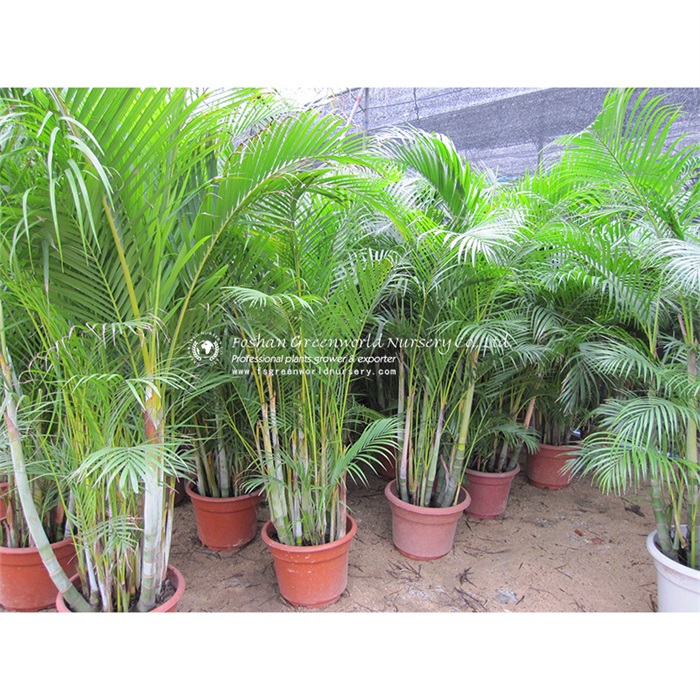
In an era where urbanization is advancing rapidly, cities around the world are striving to balance development with ecological sustainability. One of the most effective strategies to achieve this balance is urban greening—integrating trees and green spaces into urban environments. Recently, a comprehensive initiative highlighting a diverse array of tree species has gained attention for its potential to revolutionize urban landscapes, enhance biodiversity, and improve the quality of life for city dwellers.
The initiative underscores a fascinating collection of tree varieties carefully selected for their aesthetic appeal, ecological value, and adaptability to urban settings. This selection includes the elegantly blooming Delonix regia, the fragrant and colorful Hibiscus tiliaceus and its Rubra variant, and the resilient Pongamia pinnata, among others. These species, alongside Albizia saman, Millingtonia hortensis, Ficus nitida, Peltophorum, Ginkgo biloba, and Magnolia grandiflora, collectively represent a robust palette of options for urban planners and environmentalists.
**Enhancing Urban Biodiversity**
Modern cities often suffer from reduced biodiversity due to the predominance of concrete structures and limited green spaces. The diversity of tree species proposed is a critical step toward rectifying this issue. Each tree species contributes uniquely to urban ecology. For example, the Delonix regia, known for its vivid red flowers and broad canopy, provides essential shade and attracts pollinators such as bees and butterflies, thereby supporting urban biodiversity.
Similarly, the Hibiscus tiliaceus and its Rubra variant introduce vibrant color and texture to urban environments, supporting insects and birds that thrive in such floral-rich habitats. Pongamia pinnata, renowned for its nitrogen-fixing capabilities, enriches soil quality, fostering healthier urban soils conducive to the growth of other plants.
Incorporating species such as Albizia saman and Millingtonia hortensis, both valued for their rapid growth and expansive canopies, creates shaded areas that reduce the urban heat island effect—a critical consideration as global temperatures rise. These species also play a significant role in sequestering carbon dioxide, thus contributing to climate mitigation efforts.
**Improving Air Quality and Public Health**
Urban air pollution remains a pressing challenge worldwide. Trees serve as natural air filters by absorbing gaseous pollutants and trapping particulate matter on their leaves and bark. Species such as Ficus nitida and Peltophorum are particularly effective due to their dense foliage and large leaf surface area.
Ginkgo biloba, a living fossil with unique fan-shaped leaves, is particularly resilient in polluted urban environments and has been demonstrated to adsorb airborne pollutants efficiently. Its presence not only aids air purification but also enhances the aesthetic and historical value of urban green spaces.
Moreover, Magnolia grandiflora, with its broad leaves and fragrant flowers, adds to the sensory richness and air-cleansing capacity. These environmental benefits translate into improved respiratory health for urban residents and contribute to mental well-being by providing calming green vistas amidst bustling city life.
**Cultural and Ornamental Value**
Beyond their ecological functions, the selected tree species carry significant cultural and ornamental importance. Photinia serrulata, with its glossy red leaves, brings seasonal color changes that enliven urban parks and streets. Cinnamomum camphora, commonly known as the camphor tree, is valorized for its aromatic leaves and historically significant uses, adding a sense of heritage and identity to urban landscapes.
Flowering trees like Prunus yedoensis (Yoshino cherry) are celebrated for their spectacular spring blossoms, drawing community gatherings, festivals, and tourism. These aspects not only enhance civic pride but can also have positive economic impacts through attracting visitors and fostering social cohesion.
**Resilient and Low-Maintenance Urban Trees**
Successful urban greening requires trees that can withstand the challenges posed by city environments, including limited soil space, pollution, water scarcity, and human interference. Species such as Trachycarpus fortunei, Tecoma stans, and Wodyetia bifurcata have shown considerable adaptability to such conditions.
Trachycarpus fortunei, a hardy palm, thrives even in cooler urban climates and is prized for its tolerances. Tecoma stans, with its bright yellow trumpet-shaped flowers, is drought-resistant and requires minimal maintenance, making it ideal for street-side planting. Wodyetia bifurcata, known as the foxtail palm, combines drought tolerance with aesthetic appeal, adding diversity to urban palm collections.
Sea grape plants and various bonsai species like Ficus religiosa (the sacred fig) and Ficus racemosa further diversify the urban flora repertoire, offering spaces for contemplation and traditional horticultural artistry.
**Strategic Urban Planning and Implementation**
The integration of this wide variety of tree species into urban environments demands strategic planning. It encompasses careful site selection, matching tree characteristics to microclimates, soil conditions, and intended public uses. Collaboration among municipal authorities, urban planners, environmental experts, and community groups is essential to maximize the benefits and ensure sustainable maintenance.
Furthermore, public education about the value of these trees can encourage community stewardship and engagement. Initiatives like workshops, planting drives, and interpretive signage can foster awareness and appreciation, ensuring long-term success.
**Conclusion**
As urban areas continue to expand, incorporating diverse, resilient, and ecologically valuable tree species such as Delonix regia, Hibiscus tiliaceus, Pongamia pinnata, Albizia saman, Millingtonia hortensis, Ficus nitida, Ginkgo biloba, Magnolia grandiflora, and others offers a promising pathway to healthier, more beautiful, and sustainable cities.
This diverse assembly of trees not only combats pollution and urban heat but also enhances biodiversity, cultural vitality, and public well-being. With thoughtful planning and community involvement, this initiative can transform urban environments, making cities more livable and harmonious with nature. The future of urban greening lies in embracing such rich biodiversity and leveraging the multifaceted benefits these trees provide to urban ecosystems worldwide.