
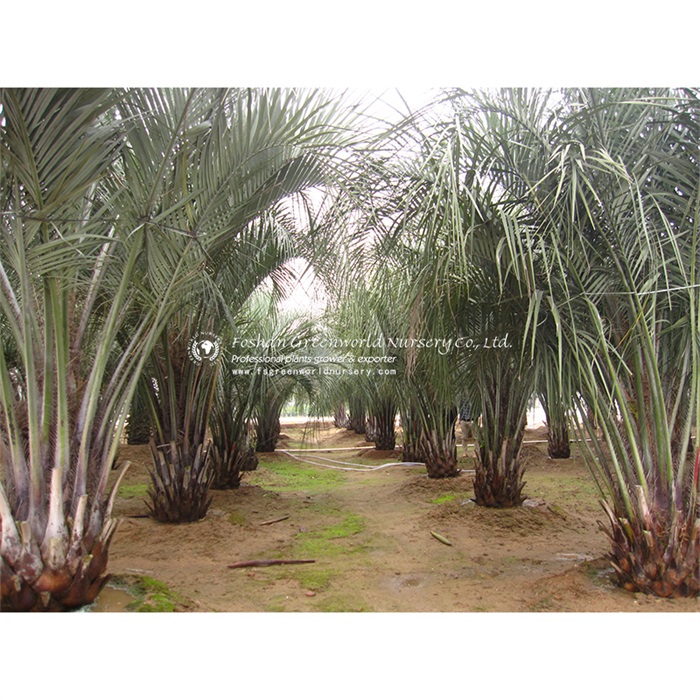
In recent times, there has been growing attention to the ecological and cultural significance of the Arasa Maram tree, a species known for its majestic presence and environmental benefits. As urban landscapes evolve and green cover faces increasing threats, the preservation and thoughtful integration of such trees in city planning become ever more crucial. This article highlights the importance of the Arasa Maram tree, explores its characteristics, and contextualizes its role within a broader spectrum of valuable tree species frequently utilized in environmental and aesthetic projects.
### The Arasa Maram Tree: An Overview
The Arasa Maram tree is revered not only for its towering stature and lush foliage but also for its capacity to provide shade, improve air quality, and support biodiversity. Often found in tropical and subtropical regions, the tree is distinguished by its hardy nature and long lifespan. Its broad canopy offers shelter to myriad bird species and insects, making it a vital component of local ecosystems.
In urban settings, Arasa Maram’s expansive branches and dense leaves play a critical role in reducing the urban heat island effect, contributing to cooler ambient temperatures. This natural air conditioning system becomes invaluable as cities grapple with rising temperatures and the impacts of climate change.
### Ecological and Environmental Significance
Beyond its aesthetic appeal, the Arasa Maram is instrumental in soil conservation and water regulation. Its extensive root network helps bind the soil, reducing erosion especially in areas prone to heavy rains. This characteristic makes it an excellent choice for reforestation and afforestation projects aimed at stabilizing fragile landscapes.
The tree also contributes significantly to carbon sequestration, thereby playing a role in mitigating greenhouse gas emissions. In an age where carbon footprints are a pressing concern, such naturally occurring solutions underscore the importance of preserving native and robust tree species like the Arasa Maram.
### Integrating the Arasa Maram with Diverse Tree Species
In enhancing urban greenery and restoring natural habitats, the Arasa Maram often complements a diverse range of other tree species. Combining it with selections such as Lagerstroemia Indica, commonly known as the crepe myrtle, adds seasonal color and ornamental value. The Lagerstroemia Indica’s vibrant blooms can transform public parks and avenues, enhancing aesthetic appeal while supporting pollinators.
Complementary species including Delonix Regia (the flamboyant tree) and Hibiscus Tiliaceus variants (such as Rubra) are also prized for their bright flowers and hardy nature. The flamboyant tree, with its radiant orange-red blooms, provides striking visual interest and creates a festive atmosphere in tropical landscapes.
Additionally, trees like Pongamia Pinnata, Albizia Saman, and Millingtonia Hortensis bring environmental benefits such as nitrogen fixation, shade provision, and fragrant blooms, respectively. These species not only enrich biodiversity but also offer ecological services essential for urban green spaces.
### The Role of Large Canopy Trees
Trees such as Ficus Nitida and Peltophorum play an indispensable role where large canopies are required. Ficus Nitida, with its dense foliage, is favored for deep shade and has cultural significance in many communities. Peltophorum, known for its golden-yellow flowers, adds seasonal vibrancy while attracting pollinating insects and birds.
Ginkgo Biloba and Magnolia Grandiflora are notable for their unique foliage and flowers. The ginkgo’s resilience to pollution and longevity make it a symbolic tree for urban environments seeking sustainability. Magnolia, with its fragrant, large blossoms, enhances sensory experiences and adds elegant charm to botanical collections and city parks.
### Enhancing Biodiversity and Cultural Value
Incorporating a diverse palette of tree species such as Photinia Serrulata, Cinnamomum Camphora, Prunus Yedoensis, and Trachycarpus Fortunei further boosts biodiversity. Photinia Serrulata, with its glossy leaves and red-tinted young shoots, supplies year-round visual interest. Cinnamomum Camphora is revered for its aromatic leaves and evergreen presence.
The Prunus Yedoensis, or Yoshino cherry, offers spectacular spring blooms, symbolizing renewal and hope in many East Asian cultures. Trachycarpus Fortunei, a hardy palm, often features in urban scaping for its sculptural form and adaptability.
### Special Mention: Bonsai and Sacred Trees
Certain remarkable specimens such as the bonsai Sacred Fig Tree (Ficus Religiosa) and Ficus Racemosa hold profound cultural and religious symbolism. These trees are often cultivated in miniature form yet embody deep spiritual values across South Asia and beyond. Their presence in botanical collections and private gardens promotes appreciation for ancient traditions and the interplay between nature and human life.
### Looking Ahead: Sustainable Urban Forestry
The challenges facing urban forestry today revolve around balancing development with ecological preservation. The inclusion of trees like the Arasa Maram alongside other robust species outlined above offers a roadmap for sustainable and biodiverse urban environments. Municipal authorities, landscape architects, environmentalists, and communities are increasingly recognizing the need to plant a variety of trees that serve multiple functions—shade, air purification, habitat creation, aesthetic value, and cultural significance.
Efforts to protect existing mature trees and strategically plant young ones will define the greening initiatives of future decades. The legacy of the Arasa Maram tree and its counterparts will be measured not only by their survival but also by their contribution to healthier, cooler, and more beautiful urban spaces.
### Conclusion
The Arasa Maram tree stands as a beacon of natural strength and ecological importance. Its preservation and integration alongside a diverse array of species—including Lagerstroemia Indica, Delonix Regia, Ficus Nitida, Ginkgo Biloba, and sacred fig varieties—reflect a holistic approach to environmental stewardship. Together, these trees enrich our environment, support wildlife, mitigate climate impacts, and enhance the quality of life for communities worldwide. In embracing such arboreal diversity, we invest in a greener, more resilient future for generations to come.