
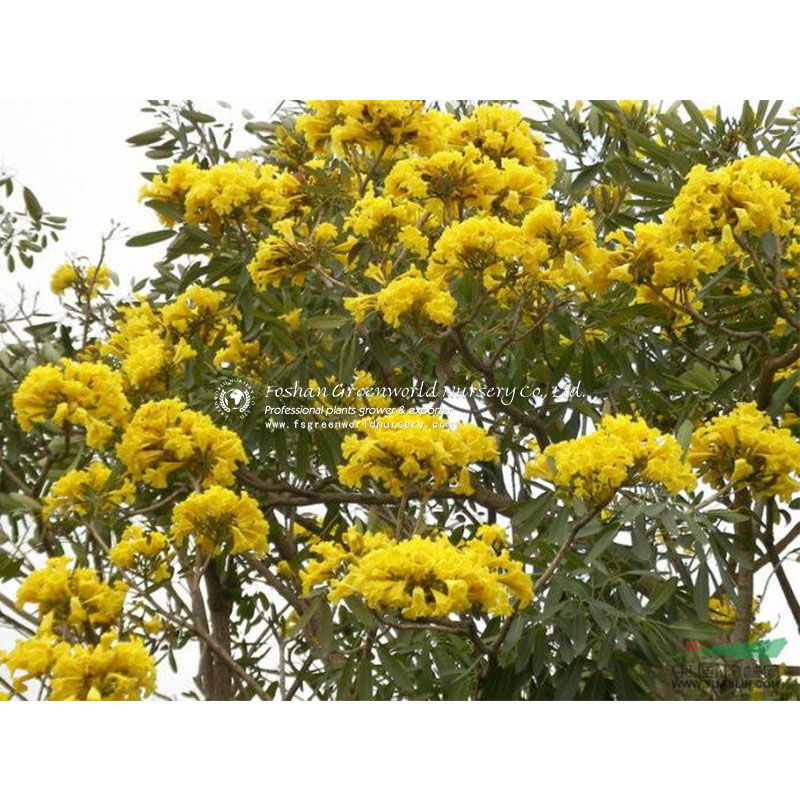
In recent years, urban greening initiatives have accelerated globally as cities seek sustainable ways to improve air quality, reduce heat, and enhance the overall quality of life for their inhabitants. Among the diverse array of flora gaining attention for landscaping and environmental improvement, the Tecoma plant stands out for its vibrant appearance and adaptability. Alongside other noteworthy species such as Lagerstroemia indica, Delonix regia, and Ficus nitida, Tecoma is becoming a key player in urban planting projects aimed at transforming concrete jungles into thriving green ecosystems.
### Tecoma: A Vibrant Addition to Urban Landscapes
Tecoma, known for its trumpet-shaped bright yellow or orange flowers, has long been admired for its ornamental value and resilience. Its ability to thrive in diverse climatic conditions while requiring minimal maintenance makes it particularly favored in city environments. The plant not only adds aesthetic value with its striking blooms but also contributes to ecological benefits, such as attracting pollinators like bees and butterflies, which are essential for maintaining biodiversity within urban settings.
Municipalities and urban planners are increasingly including Tecoma in their green infrastructure because it balances beauty and functionality. Unlike some ornamental plants that demand intensive care, Tecoma's drought tolerance and tolerance for poor soils reduce maintenance costs and effort, making it ideal for public parks, roadside plantings, and even residential gardens.
### Complementary Plant Species Elevating Urban Green Spaces
Along with Tecoma, cities worldwide are embracing a diverse selection of tree and shrub species to diversify urban flora and create multi-layered green spaces. The inclusion of species such as Lagerstroemia indica (commonly known as crape myrtle) offers spectacular seasonal blooms ranging from white to deep purple, enhancing the visual appeal throughout warmer months.
Another prominent species is Delonix regia, or the flamboyant tree, renowned for its fiery red flowers and expansive canopy that provides excellent shade—a valuable trait in hot urban environments. These trees not only beautify public areas but also mitigate urban heat islands by cooling the environment.
For trees contributing additional ecological benefits, Hibiscus tiliaceus varieties are gaining prominence. This hardy shrub or small tree delivers bright yellow flowers and is often used in coastal and tropical areas due to its resistance to salt spray and wind, making it perfect for urban planning in seaside cities.
Pongamia pinnata is another versatile species that urban planners appreciate for its nitrogen-fixing properties, improving soil fertility and supporting the health of surrounding plants. Its ability to withstand urban pollution and drought scenarios further cements its role in sustainable city planting schemes.
### Fostering Biodiversity Through Native and Non-Native Plants
Urban greening is not merely about aesthetics but also about creating habitats that encourage biodiversity. Introducing species such as Albizia saman and Millingtonia hortensis allows for habitat variety that supports urban wildlife. Albizia saman’s large canopy provides shelter for birds and insects, while Millingtonia hortensis, known for its fragrant white flowers, attracts pollinators which are crucial for ecosystem health.
Ficus species, including Ficus nitida, Ficus religiosa (commonly called the sacred fig tree), and Ficus racemosa, are particularly important for enriching urban biodiversity. These fig trees offer year-round fruit that sustains many bird species and small mammals, acting as keystone species within urban ecosystems.
### Diverse Plant Choices for Environmental Resilience
In addition to their beauty and ecological benefits, many of the plants chosen for urban green spaces contribute to environmental resilience. For instance, several species such as Peltophorum and Magnolia grandiflora provide robust canopies that intercept rainfall, reducing runoff and helping to manage urban flooding. Photinia serrulata and Cinnamomum camphora add aromatic qualities to green spaces while supporting insect populations.
Prunus yedoensis, widely known as the Yoshino cherry, offers spectacular seasonal displays that draw visitors to urban parks, enhancing social cohesion through community engagement with green spaces.
Trachycarpus fortunei, a type of cold-hardy palm, introduces a tropical aesthetic that can survive in cooler urban environments, further expanding the palette of plants usable in diverse climates.
Additionally, species such as Wodyetia bifurcata and Sea Grape plants introduce exotic shapes and textures, providing variety and interest in city landscapes.
### Urban Greenery as a Pathway to Sustainable Cities
The rise in planting programs featuring Tecoma and the aforementioned species reflects a growing understanding that urban environments need thoughtfully curated greenery to remain livable and sustainable. These plants not only beautify spaces but also provide crucial ecosystem services: improving air quality, offering shade, supporting wildlife, and managing stormwater.
Moreover, the use of such diverse species supports urban resilience against climate change impacts. Plants like Ginkgo biloba, known for its resilience even in polluted environments, and hardy trees like Albizia saman contribute to the long-term health of urban forests.
### Conclusion
As cities continue to grow and face the challenges of climate change and environmental degradation, the integration of plants such as Tecoma alongside a wide variety of complementary tree and shrub species becomes vital. These plants form the backbone of sustainable urban landscapes that are not only beautiful but also ecologically functional, helping to create healthier, more vibrant cities for future generations.
The deliberate selection and planting of diverse species—ranging from flowering shrubs to towering shade-giving trees—underscore a holistic approach to urban landscape design, one that seeks to balance human needs with those of the environment. With Tecoma and its companion plants playing starring roles, city dwellers worldwide can look forward to greener, more resilient, and more enchanting urban spaces.