
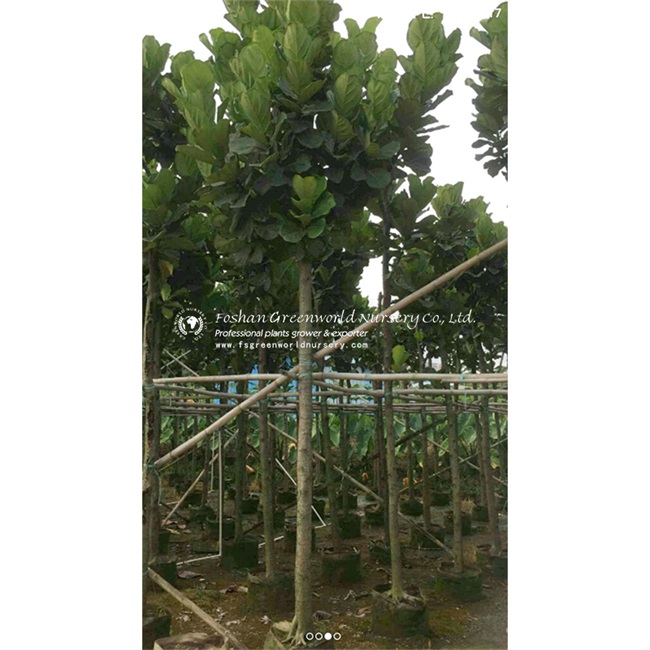
In a significant move towards promoting urban greenery and enhancing the ecological balance within city environments, a new initiative has been launched featuring a diverse range of tree species specifically selected for their environmental benefits, aesthetic appeal, and adaptability to urban landscapes. Among the highlighted species is the vibrant Tabebuia rosea tree, renowned for its stunning pink to light purple blossoms and resilience in tropical climates. This effort is poised to transform urban spaces, improve air quality, and foster biodiversity.
### The Role of Tabebuia rosea in Urban Landscapes
Tabebuia rosea, also known as the pink trumpet tree, stands out in the urban forestry realm due to its moderate growth rate, attractive floral display, and ability to thrive in various soil types. It is a deciduous tree that blooms spectacularly during the dry season, offering a visual respite in concrete-heavy cityscapes. The tree not only enhances visual appeal but also contributes to urban cooling by providing ample shade. Its adaptability to city environments makes it an excellent candidate for street planting, parks, and public gardens.
Used strategically in urban greening, Tabebuia rosea helps to improve microclimates by reducing ambient temperatures and promoting air purification through its substantial leaf area. This species also supports urban biodiversity; its flowers attract pollinators such as bees and butterflies, while its canopy offers habitat for birds. These ecological functions are crucial in combating urban heat islands and maintaining ecological networks within densely populated areas.
### Complementing Tree Species for Holistic Urban Forestry
The initiative doesn’t stop with Tabebuia rosea. A carefully curated list of tree species has been integrated into the planting program to diversify urban flora and maximize ecological and social benefits. These species include both native and non-native trees chosen for their unique characteristics:
- **Lagerstroemia indica (Crape Myrtle)**: Known for its long-lasting flowers in shades of pink, red, and white, this tree adds seasonal vibrancy and is tolerant of urban pollution and drought.
- **Delonix regia (Flamboyant Tree)**: Famous for its fiery red-orange flowers, it provides expansive shade and serves as a landmark tree in public spaces.
- **Hibiscus tiliaceus (Beach Hibiscus or Cottonwood Hibiscus)**: Renowned for its fast growth and tolerance to coastal conditions, it is suited for urban areas near waterfronts.
- **Pongamia pinnata (Indian Beech or Karanja)**: Valued for its nitrogen-fixing ability, which enriches soil fertility, and its resilience to drought, contributing to sustainable urban planting.
- **Albizia saman (Rain Tree)**: Provides extensive shade and supports diverse birdlife, making it a keystone species in urban ecology.
- **Millingtonia hortensis (Indian Cork Tree)**: Recognized for its fragrant white flowers and fast growth, it is used to enhance street aesthetics.
- **Ficus nitida (Indian Laurel Fig)** and **Ficus religiosa (Sacred Fig)**: Both are evergreen species offering dense canopy cover and are culturally significant in many regions, promoting community engagement with greenery.
- **Peltophorum (African Tulip Tree)**: Displays bright yellow flowers and helps attract pollinators, enhancing urban biodiversity.
- **Ginkgo biloba**: A living fossil prized for its resilience to pollution and unique fan-shaped leaves, providing seasonal color.
- **Magnolia grandiflora**: Evergreen magnolia adds year-round greenery and large fragrant flowers.
- **Photinia serrulata**: A shrub or small tree with glossy leaves and red young foliage adds ornamental variety.
- **Cinnamomum camphora (Camphor Tree)**: An evergreen tree known for aromatic leaves and considerable shade.
- **Prunus yedoensis (Yoshino Cherry)**: Famous for its delicate cherry blossoms, it introduces seasonal beauty to urban environments.
- **Trachycarpus fortunei (Windmill Palm)**: Adds tropical flair and tolerance to varying conditions.
- **Tecoma stans (Yellow Bells)**: Known for its bright yellow trumpet-shaped flowers attracting hummingbirds and bees.
- **Wodyetia bifurcata (Foxtail Palm)**: Adds exotic aesthetics and is suited for urban plazas.
- **Sea Grape (Coccoloba uvifera)**: Salt-tolerant coastal species suitable for shoreline urban areas.
- **Ficus racemosa (Cluster Fig)**: Produces edible fruit and supports urban wildlife.
- **Bonsai Sacred Fig Tree**: A miniature yet symbolic species for interior green spaces and cultural connection.
### Environmental and Social Benefits
This comprehensive selection promotes a multifaceted approach towards urban greening. By planting a mixture of flowering, shade, fruiting, and evergreen trees, cities can create resilient ecosystems that contribute to multiple sustainability goals. Trees improve air quality by absorbing pollutants, sequestering carbon, and mitigating greenhouse gas effects. Their shade helps reduce energy consumption in adjacent buildings by lowering cooling requirements.
In addition to environmental benefits, the initiative fosters social well-being. Green spaces with attractive trees promote community interaction, provide recreational areas, and improve mental health by creating peaceful urban oases. Diverse tree species reduce vulnerability to species-specific pests and diseases, ensuring long-term stability of green infrastructure.
### Challenges and Future Directions
While promising, the success of this urban forestry initiative depends on effective maintenance, community involvement, and careful site selection. Challenges such as soil compaction, limited rooting space, vandalism, and water scarcity must be addressed through suitable urban planning and management.
Future directions involve integrating technology for tree health monitoring, expanding community tree-planting programs, and educating the public on the importance of urban greenery. Partnerships between local governments, environmental organizations, and citizens will be essential in nurturing these planted trees to maturity.
### Conclusion
The inclusion of Tabebuia rosea alongside a diverse array of tree species marks a strategic and thoughtful progression in urban forestry. This initiative is poised to transform urban environments by adding ecological, aesthetic, and social value. Through concerted efforts in planting and maintaining such diverse urban greenery, cities can become healthier, more vibrant, and more sustainable for their residents.
---
This comprehensive urban greening strategy exemplifies how thoughtful species selection, with trees like Tabebuia rosea at the forefront, can greatly enhance city landscapes. By fostering biodiversity, improving microclimates, and enriching public spaces, the future urban environment promises to be greener and more resilient than ever before.