
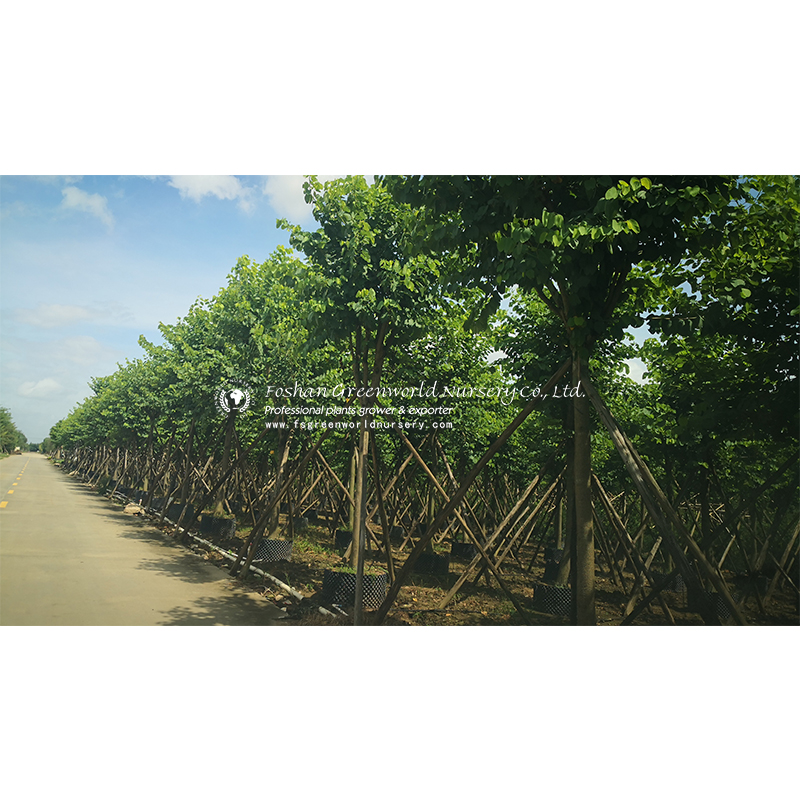
In recent years, the push towards urban greening has gained significant momentum worldwide, driven by the urgent need to mitigate environmental challenges and improve the quality of life for city dwellers. Incorporating a diverse array of tree species into urban landscapes not only enhances aesthetic appeal but also contributes to ecological balance, air purification, and climate resilience. Among the noteworthy developments in this field is the increasing integration of various tree species such as Lagerstroemia Indica, Delonix Regia, Hibiscus Tiliaceus, Pongamia Pinnata, Albizia Saman, Millingtonia Hortensis, Ficus Nitida, Peltophorum, Ginkgo Biloba, Magnolia Grandiflora, Photinia Serrulata, Cinnamomum Camphora, Prunus Yedoensis, Trachycarpus Fortunei, Tecoma Stans, Wodyetia Bifurcata, Sea Grape Plant, Ficus Religiosa, bonsai Sacred Fig Tree, and Ficus Racemosa in urban reforestation and landscaping projects.
### The Importance of a Diverse Urban Forest
Urban forests contribute significantly to the sustainability of cities. They act as natural air filters, absorbing pollutants and carbon dioxide, while releasing oxygen. Moreover, the shade provided by trees reduces the urban heat island effect—a phenomenon where city temperatures are higher than surrounding rural areas due to human activities and the abundance of concrete structures. Diverse species selection helps ensure year-round greenery and resilience against pests, diseases, and climate variations.
### Versatile Tree Species Suitable for Urban Environments
The highlighted tree species come with unique benefits and ecological values, making them ideal candidates for urban greening initiatives.
- **Lagerstroemia Indica** (commonly known as Crepe Myrtle) is prized for its stunning seasonal flowers and the ability to thrive in diverse climatic conditions. It is drought-tolerant and adapts well to urban soils.
- **Delonix Regia**, or Flame Tree, is an iconic tree known for its vibrant red-orange flowers providing spectacular visual appeal and substantial shade.
- **Hibiscus Tiliaceus** variants, including Hibiscus Tiliaceus Rubra, add both color and texture to city parks and streetscapes with their bright blooms and hardy nature.
- **Pongamia Pinnata** is a nitrogen-fixing tree beneficial for soil enrichment, while Albizia Saman, often called the Rain Tree, provides broad canopy cover and supports biodiversity.
- **Millingtonia Hortensis**, often referred to as the Indian Cork Tree, emits a pleasant fragrance and blooms year-round, attracting pollinators.
- **Ficus Nitida** and **Ficus Religiosa** (Sacred Fig Tree) are celebrated for their robust growth and impressive canopies that offer extensive shade, enhancing pedestrian comfort.
- **Peltophorum** and **Ginkgo Biloba**, with their distinct leaf structures and vibrant fall colors, enliven urban spaces across seasons.
- **Magnolia Grandiflora**, with its glossy leaves and large fragrant flowers, adds evergreen splendor and improves air quality.
- **Photinia Serrulata** offers glossy red foliage that contrasts beautifully with other greens, providing a long-lasting visual interest.
- **Cinnamomum Camphora**, or Camphor Tree, emits a characteristic scent and has allelopathic properties that can inhibit weed growth.
- **Prunus Yedoensis** (Yoshino Cherry) is renowned for its delicate blossoms in spring, symbolizing beauty and renewal.
- **Trachycarpus Fortunei** (Windmill Palm) and **Wodyetia Bifurcata** introduce an exotic tropical feel with their distinctive shapes and textures.
- **Tecoma Stans**, also known as Yellow Bells, produces bright yellow trumpet-shaped flowers that attract pollinators such as bees and butterflies.
- **Sea Grape Plant** offers large, leathery leaves and edible fruits, making it a multifunctional component in coastal urban greening.
- **Ficus Racemosa** is valued for its unique fruits and ecological importance, especially for local wildlife.
Together, these species create a dynamic and multifaceted urban forest capable of addressing environmental, aesthetic, and social needs.
### Integrating Botanical Expertise and Urban Planning
Successful urban forestry projects require collaboration between botanists, ecologists, urban planners, and local communities. Companies specializing in landscaping and urban greening now offer comprehensive solutions that factor in species selection, growth patterns, maintenance needs, and environmental impact. These efforts ensure that each tree planted contributes positively to the urban ecosystem.
Moreover, careful planning can utilize the unique strengths of these trees. For example, nitrogen-fixing species like Pongamia Pinnata can be planted in degraded or compacted soils to enhance fertility. Meanwhile, shade trees such as Albizia Saman and Ficus Nitida can be strategically placed along pedestrian paths and residential streets for maximum comfort.
### Health, Wellbeing, and Community Benefits
An abundant and well-maintained urban forest encourages outdoor activity, providing residents with refreshing environments for recreation and relaxation. Trees also play a psychological role; studies have shown that green spaces reduce stress and enhance mental health. Furthermore, they can serve educational purposes—schools can utilize the diverse species for environmental learning and biodiversity awareness.
### Climate Change Mitigation and Resilience
Urban tree species also represent a frontline defense against climate change effects. With rising temperatures and unpredictable weather, trees that tolerate heat, drought, and occasional flooding are invaluable. The presence of a mixed variety ensures that urban forests are not wiped out by a single pest or climatic event. Species like Ginkgo Biloba, known for its resilience, combined with fast-growing aesthetic varieties such as Lagerstroemia Indica and Tecoma Stans, promote both longevity and immediate benefits.
### Moving Forward: Prioritizing Urban Greening
Municipal governments and private enterprises alike are increasingly recognizing the importance of investing in urban forests. Grants, awareness campaigns, and community tree-planting drives are gaining traction, advocating for sustainable and eco-friendly city development.
With the growing knowledge about the ecological and social values of diverse tree species—including those like Magnolia Grandiflora, Sea Grape Plant, and Bonsai Sacred Fig Tree—urban centers can aspire to create lush, sustainable, and livable environments. These green lungs not only beautify the cityscape but also promote environmental stewardship, making urban life healthier, happier, and more harmonious with nature.
---
In conclusion, the integration of diverse, resilient, and ecologically significant tree species into urban landscapes marks a critical step towards sustainable city living. Through collaborative planning, informed species selection, and community participation, the urban forest can flourish, offering myriad benefits for present and future generations.