
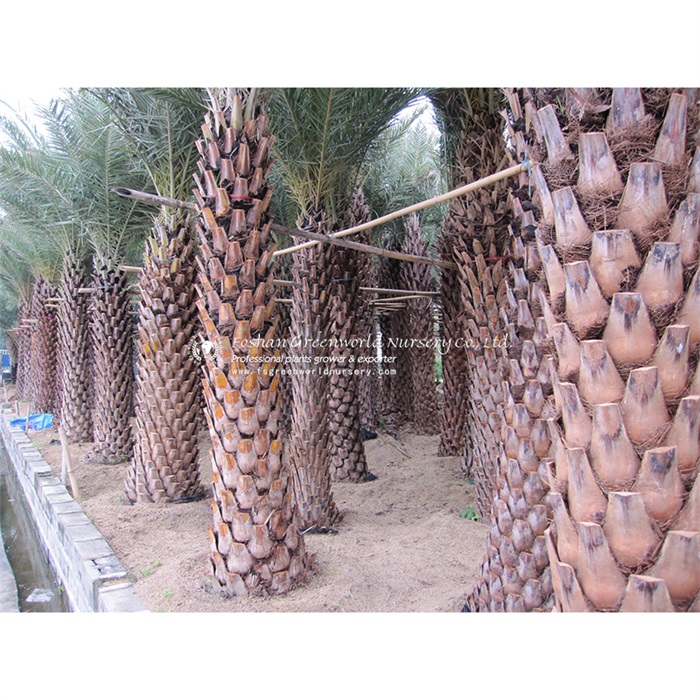
In the evolving landscape of urban greening and environmental sustainability, the selection of appropriate tree species plays a pivotal role. From enhancing aesthetic appeal to improving air quality and providing ecological balance, trees are indispensable assets to cities and communities worldwide. A recent overview of notable tree varieties—such as Lagerstroemia Indica, Delonix Regia, Hibiscus Tiliaceus, Pongamia Pinnata, Albizia Saman, Millingtonia Hortensis, Ficus Nitida, Peltophorum, Ginkgo Biloba, Magnolia Grandiflora, Photinia Serrulata, Cinnamomum Camphora, Prunus Yedoensis, Trachycarpus Fortunei, Tecoma Stans, Wodyetia Bifurcata, Sea Grape Plant, and members of the Ficus family such as Ficus Religiosa and Ficus Racemosa—showcases a robust palette of forestry options that cater to diverse climatic, ecological, and landscaping needs.
**Lagerstroemia Indica: The Queen of Blooming Trees**
Popularly known as crape myrtle, Lagerstroemia Indica is celebrated for its vibrant, long-lasting summer blooms in shades ranging from pink and red to lavender and white. Its appealing bark, often smooth and mottled, adds winter interest, while the tree’s adaptability to a variety of soil types and climates makes it a favorite for urban planting. Beyond ornamentation, the tree’s resilience to drought and pests is crucial in nurturing sustainable green spaces, especially in regions facing water scarcity.
**Delonix Regia: The Royal Flame Tree**
Also termed the flamboyant tree, Delonix Regia captivates onlookers with its fiery red and orange flowers which blanket the tree during blooming season. Native to Madagascar, it thrives in tropical and subtropical zones, making it an ideal shade and ornamental tree for parklands and avenues. Its wide-spreading canopy offers much-needed respite from the sun, and the tree is often employed in reforestation and agroforestry projects to enhance soil fertility through nitrogen fixation.
**Hibiscus Tiliaceus: Coastal Guardian**
Hibiscus Tiliaceus, with its versatile nature, thrives in coastal environments, offering protection against soil erosion and salt spray. The species includes variants like Hibiscus Tiliaceus Rubra that boasts beautiful reddish flowers, boosting coastal biodiversity. This species’ robust root system aids in stabilizing sand dunes and riverbanks, making it vital in combating coastal degradation.
**Pongamia Pinnata: The Green Energy Asset**
Known also as the karanj tree, Pongamia Pinnata has garnered attention as a biofuel source due to its oil-rich seeds. Beyond energy potential, it’s an excellent nitrogen fixer with sturdy growth, ideal for reforestation and afforestation initiatives in degraded lands. The tree also contributes to soil enrichment and provides shade and shelter for wildlife.
**Albizia Saman: The Rain Tree that Brightens Landscapes**
Characterized by its expansive umbrella canopy and fragrant flowers, Albizia Saman is widely used as an ornamental shade tree in parks, gardens, and along streets. Its rapid growth rate makes it a suitable choice for quick tree cover, which helps reduce urban heat islands and enhances urban microclimates.
**Millingtonia Hortensis: The Tree of Jasmine**
Also known as the Indian cork tree, Millingtonia Hortensis is admired for its aromatic white flowers and melancholic, melodious blooms at night. Its timber and aromatic properties have traditional importance, but in urban settings, it also serves as a visual and olfactory delight.
**Ficus Species: The Cultural and Ecological Pillars**
The genus Ficus is diverse, ranging from large shade trees to bonsai. Species like Ficus Nitida and Ficus Religiosa (commonly called the sacred fig) hold cultural and religious significance across Asia. These trees provide dense canopies and serve as keystone species in many ecosystems by supporting a wide array of wildlife, including birds, bats, and insects. Figures such as Ficus Racemosa also contribute to traditional medicine and ecological functions like water retention and soil stabilization.
**Peltophorum, Ginkgo Biloba, and Magnolia Grandiflora: The Botanical Treasures**
Peltophorum species are notable for their beautiful yellow flower clusters and fast growth, often used as ornamental or shade sources. Ginkgo Biloba, often termed a living fossil, stands apart with unique fan-shaped leaves and medicinal properties, with some specimens surviving urban pollution remarkably well.
Magnolia Grandiflora, the southern magnolia, is celebrated for its large, fragrant white flowers and glossy evergreen leaves. It suits both ornamental gardens and larger parks, enriching biodiversity with its blossoms and fruit that feed wildlife.
**Photinia Serrulata, Cinnamomum Camphora, and Prunus Yedoensis: Adding Seasonal Colors and Scents**
Photinia Serrulata is a visually striking ornamental shrub or small tree with vibrant red leaves that accent landscapes. Cinnamomum Camphora, or camphor tree, is known not only for its shade and robust growth but also for its aromatic oils with medicinal and industrial uses.
Prunus Yedoensis, a species of cherry blossom, plays a prominent role in cultural festivities, symbolizing renewal and beauty with its cascading blossoms, adding significant seasonal color to any location.
**Trachycarpus Fortunei, Tecoma Stans, and Wodyetia Bifurcata: Versatile and Resilient Species**
Trachycarpus Fortunei, commonly called the windmill palm, brings an exotic element to temperate climates, combining elegance with ease of growth. Tecoma Stans, with its bright yellow trumpet-shaped flowers, draws pollinators and adds vibrancy to gardens, while Wodyetia Bifurcata, the foxtail palm, is prized for its unique and striking foliage.
**Sea Grape Plant and Cultural Bonsai Traditions**
The Sea Grape Plant is highly suited for coastal landscaping due to its salt tolerance and ability to prevent wind erosion. Bonsai representations of Ficus Religiosa and other native species celebrate the interplay of art and nature, blending cultural heritage with horticultural expertise.
**In Conclusion**
The comprehensive spectrum of trees from Lagerstroemia Indica to Ficus Racemosa showcases a valuable repository for urban planners, landscapers, environmentalists, and horticultural enthusiasts. Incorporating diverse species offers ecological benefits such as improved air quality, carbon sequestration, soil stabilization, and enhanced biodiversity, alongside cultural and aesthetic values. As cities grapple with climate change and urbanization pressures, the thoughtful integration of such botanical treasures can create greener, healthier, and more pleasant living spaces for generations to come.