
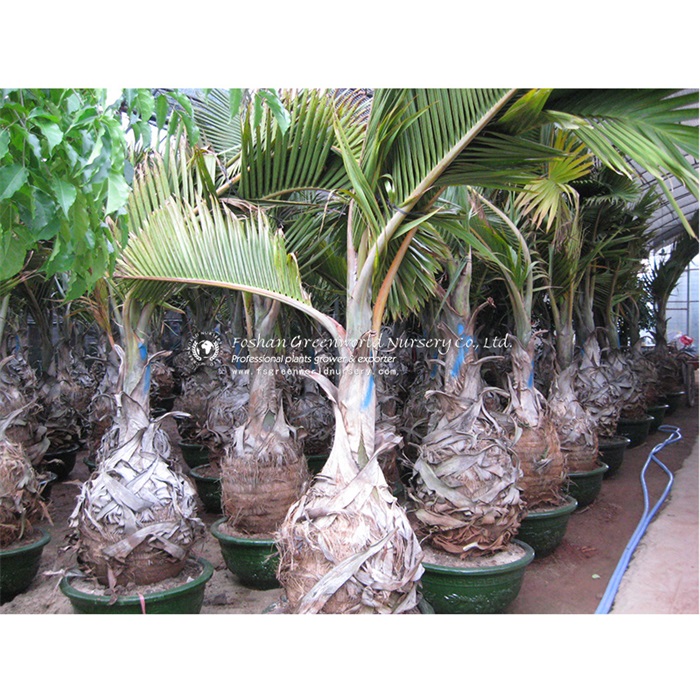
In recent years, urban landscaping and ecological restoration projects have increasingly prioritized the inclusion of diverse, resilient, and aesthetically pleasing tree species. Among these, the Southern Magnolia Grandiflora stands out as a remarkable choice for its majestic presence and evergreen foliage, making it a favored component in parks, streetscapes, and private gardens. Complementing this species, a broad array of trees such as Lagerstroemia Indica, Delonix Regia, Hibiscus Tiliaceus, and Ginkgo Biloba enrich the tapestry of urban green spaces worldwide, each contributing unique ecological benefits, visual appeal, and cultural significance.
### The Southern Magnolia Grandiflora: An Evergreen Icon
The Southern Magnolia Grandiflora is well-known for its glossy, dark green leaves and its magnificent large, fragrant white blooms that grace the tree from late spring through summer. Native to the southeastern United States, this tree adapts well to urban environments and thrives in warm climates with well-drained soils. Its dense canopy provides excellent shade, making it a popular choice for city parks and residential landscapes. Beyond aesthetics, the Southern Magnolia helps improve air quality and offers habitat to various birds and pollinators.
### A Rich Palette of Trees Ideal for Landscaping and Environmental Benefits
Alongside the Southern Magnolia, there is an impressive variety of tree species gaining recognition for their horticultural value and ecological roles. Among them, several stand out across different categories:
- **Flowering Deciduous Trees:**
- *Lagerstroemia Indica* (also known as crape myrtle) is appreciated for its vibrant, summer-long flowering and attractive bark patterns. Its compact size and tolerance to urban stresses make it versatile for both street planting and gardens.
- *Delonix Regia*, commonly called the flame tree or royal poinciana, impresses with its fiery red-orange flowers covering the canopy in summer, creating striking urban color and shade.
- **Tropical and Coastal Trees:**
- *Hibiscus Tiliaceus* and its variants like *Hibiscus Tiliaceus Rubra* are tolerant of saline conditions and often planted in coastal areas for windbreaks and erosion control. Their heart-shaped leaves and large hibiscus-style flowers add tropical flair to shorelines and tropical landscapes.
- *Pongamia Pinnata*, valued for its nitrogen-fixing ability, is used in reforestation projects in degraded lands, simultaneously improving soil quality and supporting biodiversity.
- **Shade and Ornamental Trees:**
- *Albizia Saman*, known as the rain tree, provides extensive, umbrella-shaped shade with delicate, fern-like foliage and creamy-pink flowers, ideal for large open spaces.
- *Millingtonia Hortensis*, admired for its tall, slender form and fragrant tubular flowers, is frequently found in avenues and parks.
- **Evergreens and Shade Trees:**
- *Ficus Nitida* and *Ficus Religiosa* (the sacred fig tree) have cultural and ecological importance. Their large spreading crowns and strong root systems support urban canopies and provide habitat to birds and insects.
- *Peltophorum* species are prized for their golden yellow clusters of flowers and adaptability to diverse climates.
- **Ancient and Special Trees:**
- *Ginkgo Biloba*, often called a living fossil, has fan-shaped leaves that turn a brilliant yellow in autumn. Its resilience to pollution and pests makes it a superb urban street tree.
- *Magnolia Grandiflora* complements its southern counterpart with similar evergreen qualities and elegant floral displays in other parts of the world.
- **Additional Noteworthy Tree Species:**
- *Photinia Serrulata* offers striking red new leaves that turn glossy green, contributing colorful foliage textures.
- *Cinnamomum Camphora* (camphor tree) with its aromatic foliage is known for its ability to deter pests naturally and provides dense shade.
- *Prunus Yedoensis* (Yoshino cherry) is famed for its delicate springtime cherry blossoms that inspire festivals and cultural events.
- *Trachycarpus Fortunei* (windmill palm) adds evergreen tropical character and structural interest.
- *Tecoma Stans* produces bright yellow trumpet-shaped flowers that attract hummingbirds and butterflies.
- *Wodyetia Bifurcata* (foxtail palm) is notable for its feather-like palm fronds and adaptability to garden landscapes.
- *Sea Grape Plant* offers a dense, rounded canopy with edible berries, ideal for coastal windbreaks.
- *Ficus Racemosa* (cluster fig tree) and bonsai varieties also enrich urban biodiversity and aesthetics.
### Integrating Tree Diversity In Urban and Environmental Planning
The variety of trees mentioned represents a broad toolkit for urban planners, landscape architects, and environmentalists seeking to create sustainable, multi-functional green spaces. Integration of species like the Southern Magnolia Grandiflora alongside diverse flowering, shade, and coastal species provides resilience against pests, climate variations, and other environmental stresses.
Multi-species planting promotes ecological balance, supports urban wildlife, regulates temperature, and improves air and water quality. Trees like Pongamia Pinnata, which fix nitrogen, help restore degraded soils, facilitating the regeneration of urban forests and natural habitats.
Moreover, cultural and aesthetic attributes—from the fragrant blossoms of Millingtonia Hortensis to the striking autumn colors of Ginkgo Biloba—play vital roles in enhancing the mental health and wellbeing of city dwellers, fostering community pride and participation in green space maintenance.
### Conclusion
Incorporating diverse tree species such as Southern Magnolia Grandiflora, Lagerstroemia Indica, Delonix Regia, Hibiscus Tiliaceus, and Ginkgo Biloba, among others, adds immense value to urban landscapes and ecological projects. Each species contributes unique benefits that enhance biodiversity, environmental stability, and human experiences.
As cities around the globe grapple with challenges such as climate change and urban heat island effects, these trees offer timely solutions, combining beauty and functionality. Their thoughtful integration into urban forestry programs can transform concrete jungles into thriving green oases that sustain both nature and communities.
Through continued research, cultivation, and education on these tree species, we promote a greener, healthier, and more resilient future for all.
---
*This article aims to shed light on the value and roles of Southern Magnolia Grandiflora along with a wide range of other notable trees in enhancing our built and natural environments.*