
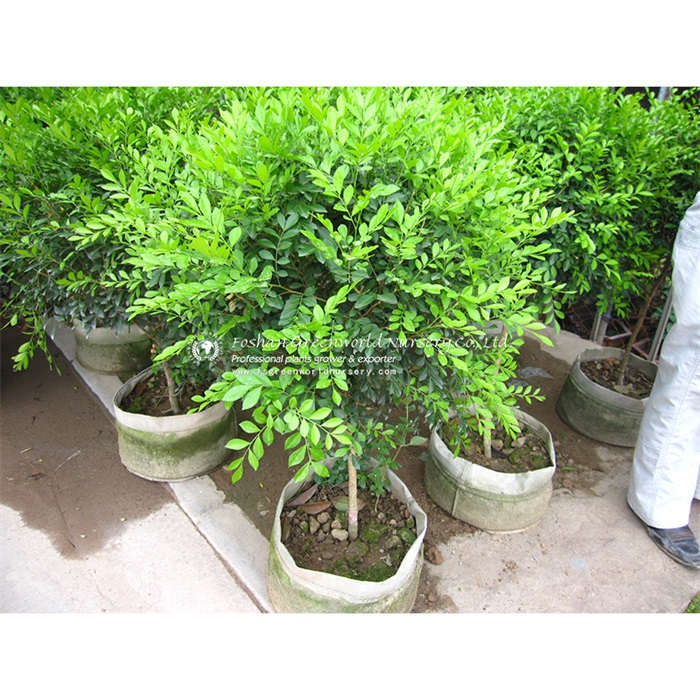
In urban landscaping, environmental conservation, and beautification projects, the careful selection of tree species plays a pivotal role. Among the many species garnering attention, the Southern Magnolia Grandiflora stands out as a prime example of an ornamental and shade tree that combines aesthetic appeal with ecological benefits. This article delves into the characteristics of the Southern Magnolia Grandiflora, alongside an overview of other significant trees such as Lagerstroemia Indica, Delonix Regia, Hibiscus Tiliaceus, and more, providing valuable insights for landscapers, urban planners, and nature enthusiasts.
### Southern Magnolia Grandiflora: A Symbol of Elegance and Endurance
The Southern Magnolia Grandiflora is renowned for its large, fragrant white flowers and glossy, evergreen leaves, which confer an elegant presence wherever it is planted. Native to the southeastern United States, this tree thrives in warm climates and well-drained soils but is adaptable enough for a variety of conditions. The Southern Magnolia is valued not only for its ornamental beauty but also for its hardiness, making it a favorite in parks, gardens, and along boulevards.
One of the standout features of the Southern Magnolia is its impressive flowering season, which spans late spring to summer. Its blooms are sizeable and creamy white, emitting a sweet fragrance that attracts pollinators such as bees and butterflies. Beyond its visual appeal, this tree aids in carbon sequestration and provides shade critical for urban cooling, highlighting its ecological importance.
### Complementary Trees in Urban and Garden Landscapes
While the Southern Magnolia offers distinct benefits, it is often incorporated within landscapes alongside other diverse species to create layered, multifunctional green spaces. Following are some species commonly selected in combination, each contributing unique attributes:
- **Lagerstroemia Indica (Crape Myrtle):** Known for its vibrant summer flowers and stunning autumn foliage, Lagerstroemia Indica thrives in sunny locations and withstands drought conditions. Its vase-like form adds elegance to streetscapes and gardens.
- **Delonix Regia (Flamboyant Tree):** Famous for its fiery red flower clusters and wide canopy, the Delonix Regia provides abundant shade and visual drama, making it a statement tree in tropical and subtropical areas.
- **Hibiscus Tiliaceus and Hibiscus Tiliaceus Rubra:** These species are small trees or large shrubs appreciated for their large, bright yellow or reddish flowers, respectively, and salt tolerance, making them invaluable in coastal landscaping.
- **Pongamia Pinnata:** This nitrogen-fixing tree not only helps improve soil fertility but also supports environmental sustainability efforts. Its dense canopy offers excellent shade in urban settings.
- **Albizia Saman (Rain Tree):** With its umbrella-shaped crown, the Albizia Saman is essential for providing shade and coolness in tropical environments.
- **Millingtonia Hortensis (Indian Cork Tree):** Characterized by fragrant, tubular flowers, this tree is often used in urban green belts for its air-purifying properties.
### Diverse Tree Selection for Functional and Ecological Roles
In addition to the species above, several other trees contribute significantly to environmental health and landscape diversity. For instance:
- **Ficus Nitida:** Often used as a shade tree because of its dense foliage.
- **Peltophorum:** Provides bright yellow flowers enhancing the color palette of gardens.
- **Ginkgo Biloba:** A “living fossil,” known for its fan-shaped leaves and resistance to pollution, aiding urban environments.
- **Photinia Serrulata:** Valued for its red new leaves and lovely white flowers, it is used both for hedging and individual specimen planting.
- **Cinnamomum Camphora (Camphor Tree):** Known for its aromatic leaves and timber.
- **Prunus Yedoensis (Yoshino Cherry):** Celebrated for its spectacular cherry blossoms in spring.
- **Trachycarpus Fortunei (Windmill Palm):** Adds a tropical element to the landscape.
- **Tecoma Stans:** Bright yellow trumpet-shaped flowers that attract pollinators.
- **Wodyetia Bifurcata (Foxtail Palm):** Popular for its distinctive feathery fronds.
- **Sea Grape Plant:** Often used in coastal areas for its resilience against salt and wind.
- **Ficus Religiosa (Sacred Fig Tree) and Ficus Racemosa:** Both recognized for their spiritual and cultural significance in many parts of Asia, also provide robust shade and support biodiversity.
### Conclusion: A Holistic Approach to Tree Selection
The inclusion of the Southern Magnolia Grandiflora along with a diverse range of tree species such as Lagerstroemia Indica, Delonix Regia, and Ginkgo Biloba underscores the importance of biodiversity in urban landscapes and gardens. This diversity ensures the creation of resilient ecosystems capable of withstanding environmental stresses while offering aesthetic value and ecological services.
Selecting the right tree species according to local climate, soil conditions, and intended use is crucial. When thoughtfully combined, these species not only enhance the beauty and functionality of green spaces but also improve air quality, provide habitat for wildlife, and contribute to overall environmental sustainability.
For cities and communities looking to enhance their green infrastructure, the care and knowledge that go into incorporating such trees can yield long-term rewards—transforming urban and suburban spaces into thriving natural sanctuaries nestled within concrete jungles. The Southern Magnolia Grandiflora, with its timeless charm, continues to be a flagship species in these ongoing greening efforts, harmonizing nature’s splendor with human needs.