
---
**Exploring the Timeless Charm of Sago Palm Cycad and a Diverse Collection of Ornamental Plants**
In the world of horticulture and landscaping, the Sago Palm Cycad continues to captivate plant enthusiasts and gardeners with its ancient lineage and robust charm. This remarkable plant, known scientifically as *Cycas revoluta*, has stood the test of time, both in nature and decorative use. Alongside the Sago Palm Cycad, a broad spectrum of ornamental and shade plants is gaining prominence, offering a unique array of options for beautifying gardens, parks, and urban green spaces.
### The Enduring Appeal of Sago Palm Cycad
Originating from southern Japan, the Sago Palm Cycad is one of the oldest plant species, dating back more than 200 million years. Despite its name, it is not a true palm but rather a cycad – a group of seed plants with a palm-like appearance. The Sago Palm is characterized by its stiff, feather-like fronds, deep green foliage, and a thick, textured trunk that lends it a distinct, sculptural form. Its tolerance to drought and relatively low maintenance needs make it an ideal choice for both indoor and outdoor settings.
Gardeners appreciate Sago Palms for their ability to add a tropical flair to any landscape, complementing a wide variety of design styles. They thrive well in containers, around pools, or as key features in landscape beds. Additionally, their slow growth rate and longevity contribute to their status as prized collector plants in many horticultural circles.
However, while cultivating Sago Palm Cycads offers immense visual rewards, there is a crucial note of caution: all parts of the plant are toxic if ingested. This highlights the importance of careful placement, especially in homes with pets or children.
### A Spectrum of Ornamental Plants for Every Landscape
The Sago Palm Cycad forms just one part of an extensive catalogue of plants that are reshaping how we approach landscaping and urban greenery. Leading horticultural providers today offer a diverse palette of species, ranging from flowering trees to hardy shade plants and unique bonsai varieties. This diversity enables designers and gardeners alike to craft spaces that are not just aesthetically pleasing but ecologically vibrant and resilient.
Among the celebrated species are the **Lagerstroemia indica** (commonly known as Crepe Myrtle), a stunning flowering tree prized for its long-lasting summer blooms in vivid shades of pink, red, and purple. Its dwarf form, such as the *Lagerstroemia indica Vase*, provides an excellent option for smaller gardens or as an accent plant.
**Delonix regia**, or the Royal Poinciana, commands attention with its flamboyant, fiery red flowers and umbrella-shaped canopy. It is widely planted in tropical and subtropical regions as a shade tree for streets and parks.
The **Hibiscus tiliaceus Rubra**, with its vibrant red blossoms, along with the generally cultivated *Hibiscus tiliaceus*, offers beauty and ecological benefits such as attracting pollinators including butterflies and hummingbirds.
Tree species like **Pongamia pinnata**, known for its resilience and nitrogen-fixing ability, contribute both to ornamental value and environmental regeneration. **Albizia saman** (Rain Tree) and **Millingtonia hortensis** (Indian cork tree) are notable for their expansive shade canopies and fragrant flowers, respectively, making them favorites in urban greening projects.
### From Exotic to Native Favorites
In addition to flowering and shade trees, several evergreen varieties provide year-round interest. The **Ficus nitida** (Indian Laurel Fig) and the well-known **Ficus religiosa** (Sacred Fig Tree), along with the *Ficus racemosa*, offer dense foliage and remarkable cultural history, treasured in many regions for their spiritual significance and shade-providing qualities.
Adding a touch of ancient botanical history, the **Ginkgo biloba**, often called the maidenhair tree, is renowned for its unique fan-shaped leaves, resilience to urban pollution, and use in traditional medicine. Its golden leaves in autumn create stunning seasonal displays.
Magnolias such as **Magnolia grandiflora**, with their broad, glossy leaves and large fragrant white flowers, continue to be a symbol of southern landscapes but are increasingly appreciated worldwide.
The **Photinia serrulata** serves as an excellent ornamental hedge plant thanks to its vibrant red new foliage, which gradually turns dark green, providing a stunning multi-hued effect throughout the seasons.
### Trees with Cultural and Practical Importance
The **Cinnamomum camphora** (Camphor tree) is both an ornamental and a functional plant—valued for its aromatic oils and large, lustrous leaves that create dense shade. Flowering trees like the **Prunus yedoensis** (Yoshino cherry) attract millions during the cherry blossom season, fostering cultural festivals celebrated worldwide.
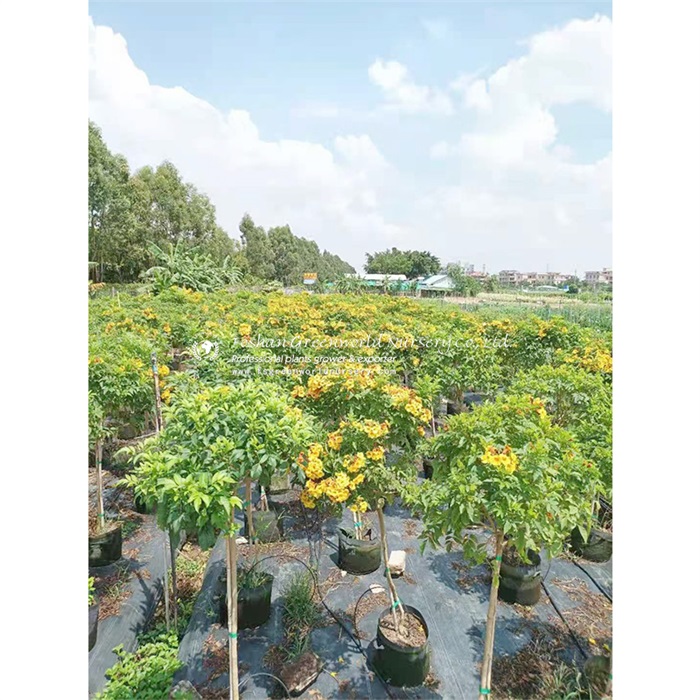
For those seeking hardy palms, **Trachycarpus fortunei**, or Windmill Palm, brings a tropical aesthetic, whereas **Tecoma stans**, with its bright yellow trumpet flowers, attracts pollinators and stands out in mixed plantings.
**Wodyetia bifurcata** (Foxtail Palm) with its feathery crowns, and the **Sea Grape plant**, often used in coastal landscaping for erosion control and aesthetic appeal, further extend the palette available to landscape architects.
### The Art of Bonsai and Sacred Trees
Among specialty horticulture offerings is the ancient practice of Bonsai, using species such as *Ficus religiosa* (Sacred Fig Tree) and others to create miniature living sculptures that reflect the beauty of nature in a compact form. These living art forms promote patience, mindfulness, and creativity and are highly valued worldwide.
---
### Conclusion
The landscape of ornamental horticulture is rich and varied, with the Sago Palm Cycad symbolizing the fusion of ancient plant species with modern gardening trends. Complemented by a diverse range of flowering trees, shade species, and cultural icons such as the Sacred Fig and Ginkgo biloba, botanical collections today provide endless opportunities for enhancing green spaces.
Whether it’s the striking blooms of the Crepe Myrtle, the expansive canopies of Albizia saman, or the timeless elegance of the Sago Palm Cycad, these plants collectively enrich our environments, support biodiversity, and bring natural beauty into our daily lives.
As urbanization increases, the role of nurseries and horticultural companies in supplying these diverse plants becomes even more crucial to building sustainable, green futures. Gardeners, landscapers, and city planners are encouraged to explore these options and incorporate a balanced mixture of species to create resilient, vibrant ecosystems for generations to come.
---
If you would like, I can tailor the article for a specific audience or insert quotes and references to further enhance credibility.