
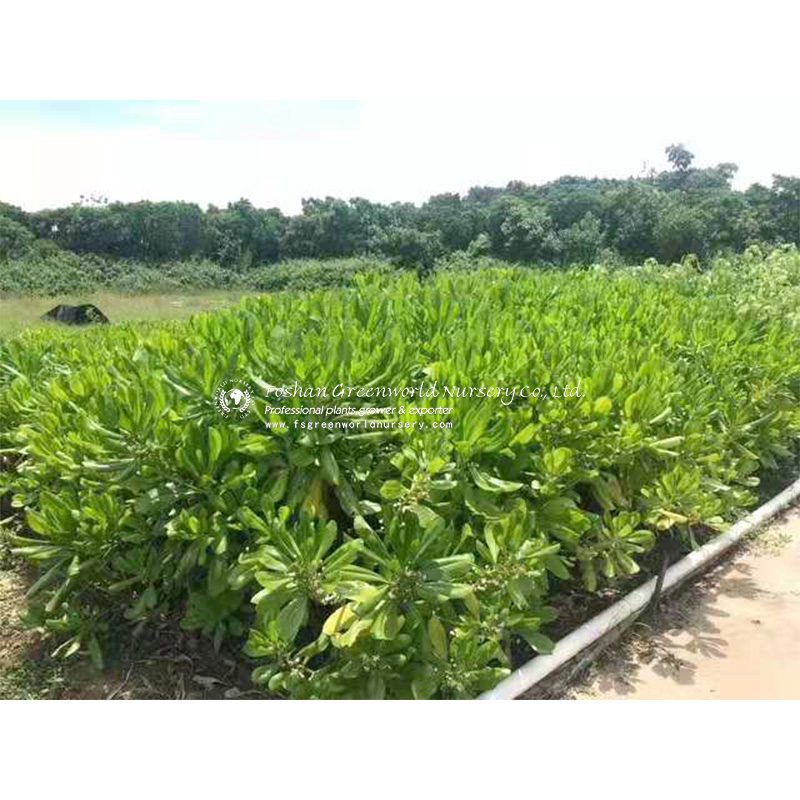
In recent years, urban greening initiatives have taken center stage globally as cities strive to create healthier, more sustainable environments. Among the diverse array of plants used in landscaping and restoration projects, the Sago Palm Cycad has emerged as a distinctive species appreciated for its unique aesthetic and ecological benefits. While often confused as a typical palm, the Sago Palm Cycad (Cycas revoluta) is actually a cycad, an ancient group of plants that have survived since prehistoric times.
### The Sago Palm Cycad: Characteristics and Importance
The Sago Palm Cycad is characterized by its symmetrical rosette of stiff, dark green fronds that radiate from a thick, textured trunk. This slow-growing plant is highly tolerant of a range of environmental conditions, including drought and partial shade, making it a resilient choice for urban landscapes. Its ornamental value is underscored by its ability to enhance structured garden designs and complement a variety of plantings, contributing to tranquil, visually pleasing environments.
Ecologically, cycads like the Sago Palm play a unique role. They have a symbiotic relationship with nitrogen-fixing cyanobacteria, enabling them to enrich soils with nitrogen—an essential nutrient that promotes the growth of surrounding plants. This attribute makes them valuable companions in mixed plantings where soil health enhancement is desired.
### Integrating Diverse Plant Species for Urban Landscapes
Successful urban greening involves diverse plant selection tailored to local climate and soil conditions. Alongside the Sago Palm Cycad, numerous other species are widely used to create aesthetically rich and ecologically productive green spaces. Some of these keystone and ornamental species include:
- **Lagerstroemia Indica (Crape Myrtle)**: Famous for its striking summer blooms in shades of pink, white, and purple, the Crape Myrtle is a staple for suburban and urban parks alike. It thrives in sunny locations and adapts well to pruning, making it an excellent choice for street trees and hedges.
- **Delonix Regia (Flamboyant Tree)**: Renowned for its flame-red flowers and expansive canopy, the Flamboyant tree offers shade and vibrant color, brightening any public space or large garden.
- **Hibiscus tiliaceus and Hibiscus tiliaceus Rubra**: These Hibiscus species are notable for their broad, heart-shaped leaves and hibiscus-like flowers. Their adaptability to coastal environments makes them suitable for seaside urban parks.
- **Pongamia pinnata (Indian Beech)**: This drought-tolerant tree provides dense shade and enriches soil through its nitrogen-fixing roots, similar to cycads.
- **Albizia saman (Rain Tree)**: Another large shade tree, Albizia saman features a wide-spreading canopy and delicate bipinnate leaves that create dappled sunlight beneath.
- **Millingtonia hortensis (Indian Cork Tree)**: With fragrant, trumpet-shaped flowers, this tree is valued for roadside planting due to its moderate height and attractive appearance.
- **Ficus nitida (Indian Laurel Fig)**: A robust tree with dense foliage, Ficus nitida is commonly used for shade and is famous for its potential to develop aerial roots.
- **Peltophorum and Ginkgo biloba**: Both provide distinctive foliage and seasonal interest; Ginkgo biloba, in particular, is renowned for its resilience to urban pollution.
- **Magnolia grandiflora**: Known for its large, fragrant white flowers and glossy leaves, Magnolia grandiflora adds elegance and year-round greenery to parks and gardens.
- **Photinia serrulata**: This shrub’s red-tinted new growth and white flowers make it a popular ornamental hedge plant.
- **Cinnamomum camphora (Camphor Tree)**: A fast-growing evergreen tree valued for shade and its aromatic leaves.
- **Prunus yedoensis (Yoshino Cherry)**: Celebrated for its delicate spring blossoms, this tree is a favorite in public spaces and arboreta worldwide.
- **Trachycarpus fortunei (Windmill Palm)**: Though a palm by name, this species is highly adaptable to colder climates than most palms and is often used in urban landscape projects for its architectural appeal.
- **Tecoma stans (Yellow Bells)**: A vibrant shrub with striking yellow flowers that attract pollinators and provide color continuity throughout the year.
- **Wodyetia bifurcata (Foxtail Palm)**: An elegant palm known for its feathery fronds, popular in tropical-themed landscaping.
- **Sea Grape Plant (Coccoloba uvifera)**: Tolerant of coastal saline environments, it offers broad leaves and fruit clusters that support local fauna.
- **Ficus religiosa (Sacred Fig Tree) and Ficus racemosa**: Both have cultural significance in many Asian countries and contribute large canopies suitable for urban shade.
- **Bonsai Forms of Ficus species**: With their sculptural appearance, bonsai trees provide an artistic dimension to gardens, balconies, and indoor environments.
### The Role of Diverse Plant Species in Sustainability
Combining species like the Sago Palm Cycad with the aforementioned trees and shrubs supports biodiversity, promotes healthier ecosystems, and enhances resilience against pests and climate variability. Diverse plantings also create multi-layered habitats suitable for urban wildlife, including pollinators and birds, essential for maintaining ecological balance.
Furthermore, many of these species are drought-resistant or have the ability to improve soil nutrients, reducing maintenance costs and water usage in cities where resource conservation is critical. The inclusion of flowering species encourages pollinator presence, which supports broader urban agriculture and gardening initiatives.
### Conclusion
The Sago Palm Cycad, along with a wide selection of other ecologically and aesthetically valuable species such as Lagerstroemia indica, Delonix regia, Ficus nitida, and Magnolia grandiflora, form an integral part of the palette for modern urban greening efforts. Their varied traits—from drought tolerance and nitrogen fixation to ornamental beauty and shade provision—make them indispensable in creating sustainable, resilient, and serene urban landscapes.
As cities continue to innovate in green infrastructure and landscape architecture, leveraging the strengths of these versatile plants will be crucial. Efforts that emphasize species diversity not only beautify urban environments but also foster ecological health and human well-being, supporting global sustainability goals for decades to come.
---
*This overview highlights the significance of selecting a diverse range of resilient and beneficial plant species, including the noteworthy Sago Palm Cycad, to build greener and more livable urban futures.*