
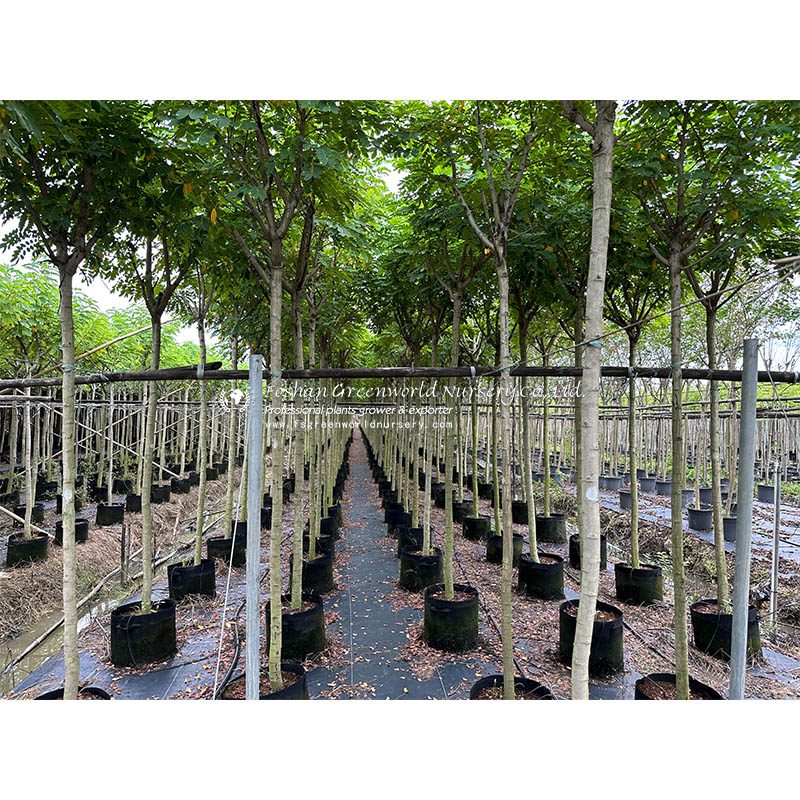
In an era where environmental sustainability and urban greenery have become paramount, the role of diverse plant species in fostering ecological balance and enhancing urban landscapes cannot be overstated. Among such species, Pongamia pinnata stands out as a versatile and valuable tree with numerous ecological and economic benefits. Coupled with a rich variety of other notable plants such as Lagerstroemia indica, Delonix regia, Hibiscus tiliaceus, and Ficus religiosa, this green ensemble exemplifies the potential of urban forestry and ecological restoration projects.
**Pongamia Pinnata: A Multifaceted Ecological Asset**
Pongamia pinnata, commonly known as the Indian beech tree, is revered for its resilience, fast growth, and adaptability to a wide range of soil types and environmental conditions. Frequently planted in urban green belts, roadside plantations, and degraded lands, this species serves multiple functions—from providing shade and reducing soil erosion to acting as a biofuel source. Its seeds are rich in oil that can be converted into biodiesel, offering a renewable alternative to fossil fuels and reducing carbon footprints.
The increasing popularity of Pongamia pinnata in afforestation projects underscores its importance as a climate-resilient species. It thrives even in arid and saline conditions, making it an excellent candidate for reforestation and land reclamation initiatives in challenging environments. Moreover, its dense canopy provides habitat and sustenance for various birds and insects, further enhancing biodiversity in urban ecosystems.
**Diverse Flora Enhancing Urban Ecology**
Beyond Pongamia pinnata, numerous other plant species play vital roles in urban and rural greening strategies. The company, with expertise in a wide array of plants, supports biodiversity by cultivating species such as Lagerstroemia indica (commonly known as crepe myrtle), Delonix regia (flamboyant tree), and Hibiscus tiliaceus. These species are selected not only for their aesthetic appeal but also for their ability to thrive in urban settings, offering shade, improving air quality, and increasing green cover.
Lagerstroemia indica is admired for its vibrant flowers and resilience, making it a favorite for parks and gardens. Delonix regia, with its striking red blooms, not only beautifies urban streets but also provides wide-spreading shade. Meanwhile, Hibiscus tiliaceus, known for its rapid growth and salt tolerance, is often an essential part of coastal ecological restoration efforts.
Complementing these are trees like Albizia saman (rain tree), Millingtonia hortensis (indian cork tree), and Ficus nitida, all known for their broad canopies and shade provisions. These species contribute to lowering urban heat islands by moderating temperatures and reducing energy consumption for cooling purposes.
**Integrating Tradition and Modernity: Sacred and Iconic Trees**
The company's portfolio also includes culturally significant and sacred trees such as Ficus religiosa (sacred fig) and Ficus racemosa. These species hold spiritual importance in many communities and are often focal points in temple courtyards and community spaces. Apart from their cultural value, these figs are keystone species supporting myriad wildlife, including birds, bats, and insects crucial for pollination and maintaining ecological balance.
Other iconic plants like Ginkgo biloba, Magnolia grandiflora, and Prunus yedoensis add unique texture and botanical interest to landscapes. Ginkgo biloba, often called a living fossil, is celebrated for its distinctive leaves and medicinal properties. Magnolia grandiflora enchants with its large, fragrant flowers, enhancing the sensory experience of urban green spaces. Prunus yedoensis, a cherry blossom tree, brings seasonal beauty and cultural significance, inspiring countless festivals and community gatherings worldwide.
**Specialized Plants for Specific Environments**
Certain trees in the company’s range, including Trachycarpus fortunei (windmill palm), Tecoma stans, Wodyetia bifurcata (foxtail palm), Sea grape plant, and Photinia serrulata, are particularly suited to specific climatic or aesthetic demands. For example, windmill palms and foxtail palms provide a tropical feel and tolerate coastal conditions well, making them ideal for seaside towns and resorts.
Tecoma stans, with its bright yellow trumpet flowers, attracts pollinators such as bees and hummingbirds, supporting urban biodiversity. Similarly, the sea grape plant thrives in coastal areas, contributing to dune stabilization and preventing erosion.
**Toward Greener Cities and Sustainable Futures**
The comprehensive range of plants offered reflects a multifaceted approach to greening that integrates ecological resilience, aesthetic beauty, cultural reverence, and sustainable utility. This approach aligns perfectly with global and local governmental policies focused on expanding urban green spaces, improving air quality, mitigating climate change effects, and enhancing residents' quality of life.
As urban centers continue to expand, integrating species like Pongamia pinnata alongside a diverse palette of trees and shrubs promises a sustainable path forward. By creating green corridors and parks featuring species that support urban ecology and community well-being, cities can transform into healthier, more livable environments.
**Conclusion**
Pongamia pinnata, with its remarkable ecological adaptability and economic potential, shines as a pivotal species in the growing movement toward sustainable urban afforestation and bioenergy solutions. When combined with an array of carefully selected plants—from flowering trees like Lagerstroemia indica and Delonix regia to culturally significant Ficus species and hardy palms—the result is a robust, biodiverse, and resilient urban canopy.
This holistic plant portfolio not only beautifies and brings ecological balance but also offers practical solutions to some of the most pressing environmental challenges of our times. Through such initiatives, the vision of greener, healthier cities is becoming a tangible reality, benefiting both people and the planet.