
Urban greenery plays a crucial role in enhancing the aesthetic appeal, environmental health, and overall well-being of city dwellers. Among various landscaping techniques and plant varieties, pleached trees have gained notable attention for their distinctive form and functional benefits. One such tree making strides in urban and architectural landscaping is the pleached Magnolia grandiflora, admired for its elegance and adaptability. Combined with a diverse selection of ornamental and shade trees, these varieties offer promising solutions for modern urban forestry and landscaping projects.
### The Appeal of Pleached Magnolia Grandiflora
Magnolia grandiflora, commonly known as the Southern Magnolia, is a classic evergreen tree known for its large, glossy leaves and striking white flowers. When pleached—a horticultural technique where trees are trained to grow in a flat, framework-like manner—Magnolia grandiflora achieves an architectural silhouette that marries natural beauty with structured design, making it an ideal choice for borders, screens, and formal garden installations.
The pleaching method transforms the Magnolia grandiflora into living walls, creating privacy barriers without compromising on greenery or elegance. This method also maximizes green space in constrained urban environments by growing vertically rather than sprawling across the ground. Moreover, the dense foliage and the year-round evergreen quality of Magnolia grandiflora ensure continuous coverage and visual appeal, which makes it a favorite in temperate and subtropical urban settings.
### Complementary Tree Species for Urban Greening
In addition to pleached Magnolia grandiflora, urban landscapers and environmental planners have an impressive palette of tree species to choose from. These species range from flowering ornamentals to large shade providers, each contributing unique environmental and societal benefits.
- **Lagerstroemia Indica (Crape Myrtle)** and **Lagerstroemia Indica Vase form**: Known for their vibrant summer flowers and exfoliating bark, crape myrtles provide colorful interest and relief in urban landscapes. Their adaptability to various soils and drought tolerance makes them suitable for street plantings and parks.
- **Delonix Regia (Flamboyant or Royal Poinciana)**: Recognized for its brilliant red flowers and wide-spreading canopy, this tree offers excellent shade and is often used in tropical urban settings.
- **Hibiscus Tiliaceus and Hibiscus Tiliaceus Rubra**: These species bring lush tropical vibes with their large leaves and striking flowers, serving well in coastal and warm climates.
- **Pongamia Pinnata (Indian Beech)**: This fast-growing, nitrogen-fixing tree is ideal for reforestation efforts and urban greening due to its hardiness and ability to improve soil quality.
- **Albizia Saman (Rain Tree)**: Valued for its expansive canopy, the rain tree provides vast shade, cooling urban heat islands, and creating comfortable outdoor environments.
- **Millingtonia Hortensis (Indian Cork Tree)**: Known for its fragrant white flowers and rapid growth, this tree is a popular street tree in Southeast Asia.
- **Ficus Nitida and Ficus Religiosa (Sacred Fig)**: Both species are important in cultural and ecological contexts, providing shade and shelter to urban wildlife, while also playing roles in religious and historical landscapes.
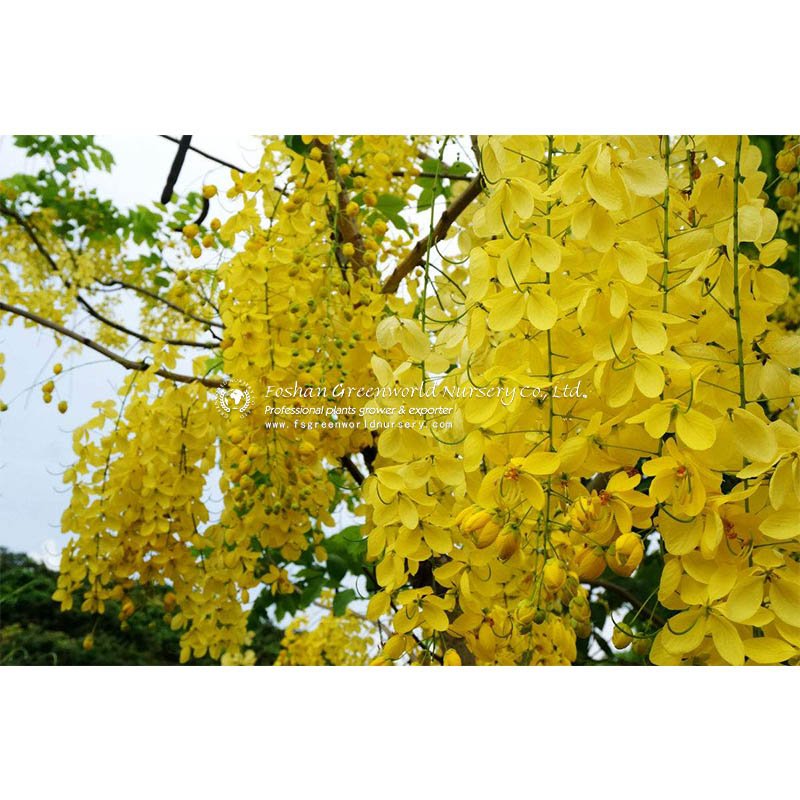
- **Peltophorum and Ginkgo Biloba**: Peltophorum species, with their bright yellow flowers, add seasonal color, whereas Ginkgo biloba, a living fossil, is prized for its golden fall foliage and resilience in urban pollution.
- **Photinia Serrulata and Cinnamomum Camphora (Camphor Tree)**: These evergreen trees contribute to year-round greenery and are cultivated for their dense foliage and air-purifying qualities.
- **Prunus Yedoensis (Yoshino Cherry)**: Famous for its spectacular spring blossoms, the Yoshino cherry is a highlight of urban flower festivals and parks.
- **Trachycarpus Fortunei (Windmill Palm)** and **Wodyetia Bifurcata (Foxtail Palm)**: These palms add exotic features to landscaping schemes, especially in coastal or subtropical regions, enhancing visual diversity.
- **Sea Grape Plant**: Ideal for coastal planting due to its salt tolerance, this plant provides erosion control and habitat for local fauna.
- **Ficus Racemosa**: A multipurpose fig tree used both for shade and fruit, it supports urban biodiversity.
- **Bonsai Sacred Fig Tree**: Bringing traditional horticultural art into urban spaces, bonsai versions of Ficus provide a meditative, miniature greenery element.
### Integrating Tree Diversity for Sustainable Urban Environments
The integration of pleached Magnolia grandiflora within a broader palette of trees supports the principles of urban forestry and sustainable landscaping. With challenges such as climate change, urban heat islands, and biodiversity loss, cities need resilient and multifunctional green solutions. The selected species offer varied flowering periods, canopy structures, and ecological services, which help maintain year-round environmental benefits—such as shade, air purification, carbon sequestration, and habitat provision.
Planting a mixture of evergreens, deciduous trees, and flowering ornamentals also ensures visual interest across seasons, encouraging community interaction with green spaces and fostering a sense of place.
### Conclusion
Pleached Magnolia grandiflora symbolizes the fusion of horticultural artistry and urban functionality, standing out as a compelling solution for vertical greenery and structured outdoor aesthetics. When combined with an extensive variety of complementary trees—from Lagerstroemia Indica to Ficus species and palms—urban landscapes gain not only beauty but resilience and ecological balance.
As cities continue to grow and seek innovative green infrastructure solutions, the thoughtful selection and application of diverse tree species will be paramount in creating healthier, more livable urban environments worldwide. Embracing such diversity in urban planting programs not only enhances the quality of life but also reiterates the vital role that trees play in future-proofing our cities.