
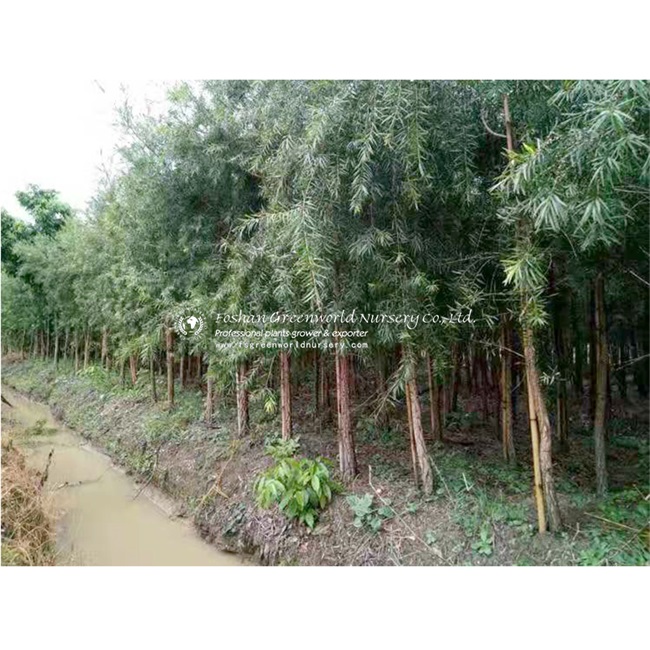
In today’s rapidly urbanizing world, the importance of integrating greenery into our living and working environments cannot be overstated. Trees and plants not only enhance the aesthetic appeal of spaces but also provide crucial ecological benefits such as air purification, temperature regulation, and habitat for wildlife. Recognizing this, our company specializes in the cultivation and distribution of a wide variety of ornamental and shade trees well-suited for urban landscaping, public parks, residential gardens, and more.
One of the many popular and sought-after plants we offer is the Phoenix roebelenii. Known for its elegant, feathery fronds and compact size, this palm species is an excellent choice for adding a touch of tropical elegance to indoor and outdoor settings alike. Its ability to thrive in shaded areas alongside indirect sunlight makes it a favorite ornamental plant, especially in modern homes, offices, and commercial spaces where natural light might be limited.
In addition to the Phoenix roebelenii, our extensive catalog includes various species that are equally valuable for their beauty, hardiness, and environmental benefits. A notable specimen is the **Lagerstroemia indica**, commonly known as crape myrtle, which is celebrated for its vibrant and long-lasting summer blooms that range from pink to purple, red, and white. The Lagerstroemia indica vase variety is especially admired for its distinctive vase-like canopy shape, making it a perfect street tree or park centerpiece that offers shade and color.
For those looking to introduce majestic flowering trees with broad canopies, **Delonix regia**—commonly called the flame tree—stands out due to its fiery red-orange blossoms that create stunning visual displays during blooming season. Beyond aesthetics, its prolific shade supports cooler microclimates in urban areas, encouraging outdoor activity and wellness.
Our selection also includes various hibiscus species, such as **Hibiscus tiliaceus rubra**, known for its large, showy, deep red flowers and medicinal properties. These hardy trees adapt well to coastal areas and landscaping projects seeking colorful, resilient greenery that supports biodiversity.
Apart from flowering varieties, our portfolio embraces significant native and exotic trees such as **Pongamia pinnata**, valued for its nitrogen-fixing abilities that enhance soil fertility, and **Albizia saman** (commonly known as the rain tree), which provides broad, umbrella-shaped shade and is widely used in agroforestry and parkland projects.
Adding to the lush greenery are trees like **Millingtonia hortensis**, prized for its delicate white tubular flowers and fragrant aroma, creating sensory appeal in garden spaces. **Ficus nitida**, often used in bonsai forms or as a large shade tree, is recognized for its dense foliage and versatility.
Further enhancing urban landscapes, we offer **Peltophorum** species, known for their bright golden-yellow blooms, and **Ginkgo biloba**, a living fossil tree celebrated for its fan-shaped leaves that turn a brilliant yellow in autumn and its notable resilience to pollution and pests.
Magnolia grandiflora, a classic—a large evergreen tree with glossy leaves and fragrant white flowers—is another exceptional offering from our nursery that has become a symbol of Southern U.S. gardens but grows well in a variety of climates.
For those favoring ornamental hedges and privacy screens, **Photinia serrulata** is ideal due to its vibrant red new foliage and dense growth habit, contributing to both aesthetics and function in landscape design.
Shade and timber trees such as **Cinnamomum camphora** and **Prunus yedoensis** provide historical value and seasonal beauty. The camphor tree is known for its aromatic bark and wide canopy that is perfect for parks and large gardens, while Prunus yedoensis, or Yoshino cherry, is renowned worldwide for its stunning spring blossoms and is a favorite in botanical collections and festivals.
In tropical to subtropical zones, palms like **Trachycarpus fortunei** lend a classic look with their fan-shaped leaves and resilience to cooler temperatures, making them suitable for a range of landscaping projects.
For smaller footprint yet impactful plants, **Tecoma stans** dazzles with its bright yellow trumpet-shaped flowers that attract pollinators such as hummingbirds and butterflies, enhancing biodiversity.
The elegant **Wodyetia bifurcata**, commonly called the foxtail palm for its distinctive plume-like fronds, is increasingly popular in modern landscaping due to its striking appearance and relative ease of care.
Along coastal areas and waterfronts, the **Sea Grape** plant offers excellent erosion control with its spreading root systems and large round leaves, adding a tropical flair while stabilizing sandy soils.
For those interested in culturally significant and spiritually revered species, we provide various Ficus trees such as **Ficus religiosa** (the sacred fig), known for its religious importance in India and neighboring countries, and **Ficus racemosa**, both of which provide substantial shade and are often central to community spaces.
Additionally, bonsai enthusiasts can find suitable species in our collection, allowing for artistry and traditional horticulture combined, especially with species like the Sacred Fig that adapt well to miniaturization.
Our commitment is to provide high-quality, healthy plants sourced sustainably and nurtured through meticulous care. Whether the need is for residential landscaping, commercial city beautification, reforestation projects, or specialized botanical collections, we stand ready to support with expert advice and superior plant stock.
With urban environments continually expanding, integrating these trees and plants not only beautifies spaces but also fosters healthier, more livable communities. We invite architects, landscapers, developers, and nature enthusiasts alike to explore our diverse botanical offerings and join us in greening our planet one tree at a time.
For inquiries, detailed species information, and availability, please contact our team. Together, we can cultivate environments that balance functionality, beauty, and ecological responsibility.