
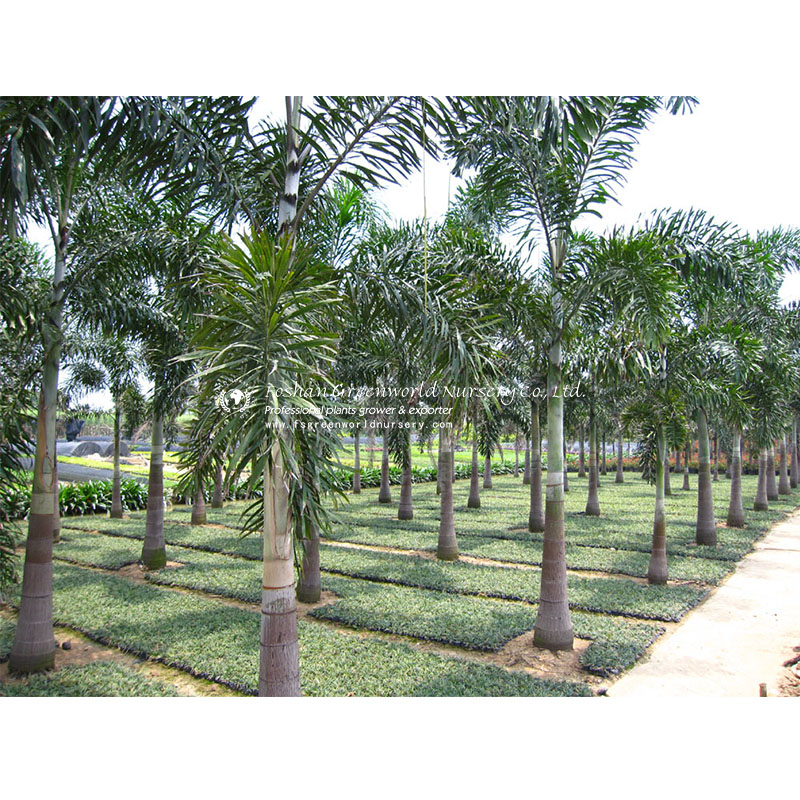
In recent years, there has been a growing focus on urban greenery and the vital role trees play in enhancing cityscapes, improving air quality, and promoting overall well-being. Among the wide variety of ornamental and practical trees used in landscaping, species such as *Peltophorum dubium*, *Lagerstroemia indica*, *Delonix regia*, and many others have shown remarkable benefits. This article explores these tree species and their significance in urban and suburban planting projects based on insights from company experts specializing in landscaping with a rich selection of trees including *Hibiscus tiliaceus rubra*, *Pongamia pinnata*, *Albizia saman*, and *Millingtonia hortensis*, among others.
### The Role of Trees in Urban Landscapes
Trees are more than just aesthetic additions to parks and streets; they contribute significantly to environmental health and human comfort. They reduce urban heat through shading, improve air quality by filtering pollutants, and provide habitat for urban wildlife. Plus, trees are crucial for mental health, offering green spaces for relaxation and recreation.
Urban planners and landscapers choose different tree species based on climate, soil conditions, and the intended function—whether it’s providing canopy cover, flowering displays, or privacy screening. Species diversity also helps create resilient green environments capable of withstanding pests, diseases, and climate stresses.
### Highlights of Popular Tree Species in Landscaping
#### Peltophorum dubium
Known commonly as the yellow flame or golden poui, *Peltophorum dubium* is admired for its brilliant yellow flowers that create spectacular displays during blooming season. This fast-growing deciduous tree adapts well to a variety of soils and climates, making it a popular choice in urban parks and large gardens. Beyond aesthetics, it offers effective shade and can improve soil quality by fixing nitrogen, fostering healthier soils for surrounding plants.
#### Lagerstroemia indica (Crape Myrtle)
Widely appreciated for its colorful summer blooms ranging from white and pink to deep purple, *Lagerstroemia indica* is a versatile tree or shrub commonly used in urban settings. It performs well in warm climates, tolerating drought and urban pollution. Its attractive bark and long flowering period make it a year-round landscape favorite.
#### Delonix regia (Royal Poinciana)
With its flamboyant red-orange flowers and wide canopy, *Delonix regia* is often planted in avenues and parks for striking visual impact and excellent shade. It prefers tropical and subtropical regions and enhances biodiversity by supporting pollinators such as bees and birds.
#### Hibiscus tiliaceus rubra and Hibiscus tiliaceus
These two related species provide lush foliage and stunning red or yellow flowers depending on variety, adding tropical flair to landscapes. Known for salt and drought tolerance, they are ideal for coastal planting and urban sites with challenging conditions.
#### Pongamia pinnata
A hardy, nitrogen-fixing tree, *Pongamia pinnata* is valued for its environmental benefits. It thrives in poor soils, making it suitable for restoring degraded lands. Additionally, it supports biofuel production and helps stabilize soil, reducing erosion.
#### Albizia saman (Rain Tree)
This large canopy tree is renowned for its umbrella-shaped crown, ideal for providing extensive shade in parks, playgrounds, and large open spaces. Its feathery leaves and fragrant flowers add diversity to urban planting schemes.
#### Millingtonia hortensis
Sometimes referred to as the Indian cork tree, *Millingtonia hortensis* blooms with delicate white flowers and serves as a fragrant addition to streetscapes or gardens. It is fast-growing and thrives in tropical climates.
#### Ficus Species (Ficus nitida, Ficus religiosa, Ficus racemosa)
Ficus trees are notable for their impressive root structures and dense canopies. *Ficus nitida* is a popular shade tree with glossy leaves, while *Ficus religiosa* and *Ficus racemosa* hold cultural and religious significance in many regions. These species add historical depth and greenery to urban environments.
### Other Noteworthy Trees
- *Ginkgo biloba*, a living fossil with fan-shaped leaves, is known for its resilience and beautiful autumn color.
- *Magnolia grandiflora*, with its large fragrant white flowers and glossy leaves, offers year-round appeal.
- *Photinia serrulata* provides vibrant red foliage and bright berries, ideal for decorative hedges.
- *Cinnamomum camphora* (camphor tree) offers aromatic leaves and shade.
- *Prunus yedoensis* (Yoshino cherry) is famous for its stunning spring blossoms.
- *Trachycarpus fortunei* and *Wodyetia bifurcata* are palms that bring tropical aesthetics to public spaces.
- *Tecoma stans* offers bright yellow trumpet-shaped flowers.
- *Sea grape plant* is valued for coastal landscaping and erosion control.
### Conclusion
Integrating a variety of tree species such as *Peltophorum dubium*, *Lagerstroemia indica*, *Delonix regia*, and many others enriches the biodiversity and beauty of urban landscapes. Their diverse features—from flowering color and canopy spread to environmental functions like nitrogen fixation and erosion control—make them indispensable tools in sustainable urban planning.
As cities aim to become greener and more resilient, selecting appropriate trees tailored to specific environments is key. Landscaping professionals, equipped with a diverse palette of species, can craft ecological, visual, and cultural benefits that enhance the quality of life for urban dwellers today and for generations to come.