
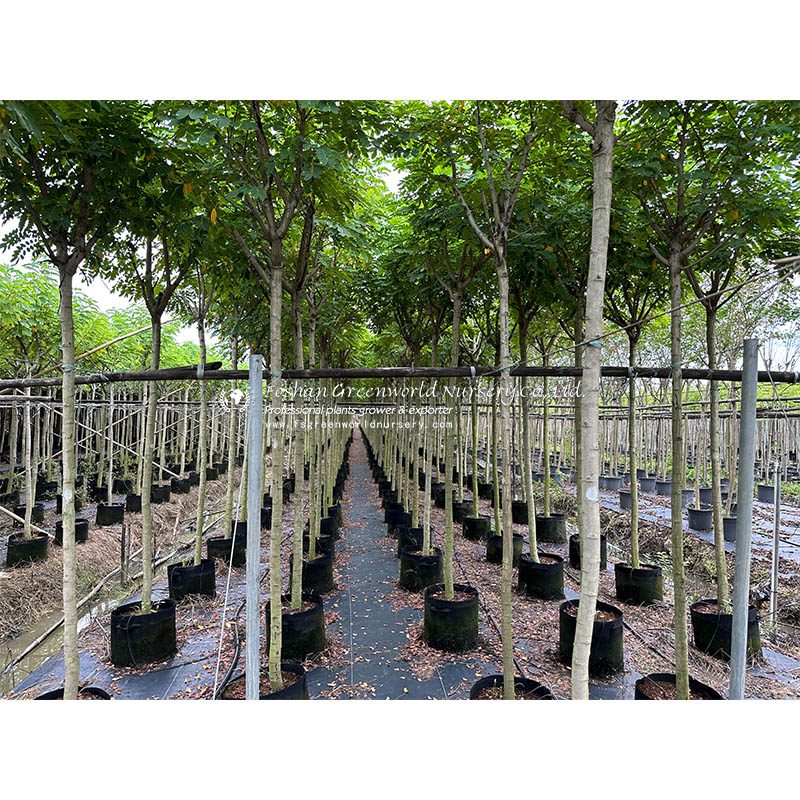
In the evolving landscape of urban development, the importance of integrating lush greenery into cityscapes has never been more significant. Amid growing concerns about environmental sustainability and the well-being of urban residents, the strategic planting of ornamental trees is emerging as a vital solution. Among the diverse array of flora used to adorn parks, streets, and residential areas, species such as Lagerstroemia Indica, Delonix Regia, Hibiscus Tiliaceus, and Tecoma Stans stand out for their striking beauty and ecological benefits.
### The Palettes of Nature: A Rich Variety of Ornamental Trees
The transformation of urban spaces depends heavily on the selection of appropriate tree species that combine aesthetic appeal with environmental resilience. The following are some of the predominant species making waves in city planning and landscaping efforts:
**1. Lagerstroemia Indica (Crape Myrtle):**
Known for its long-lasting clusters of flowers that bloom in stunning shades of pink, purple, and white, Lagerstroemia Indica is favored for its adaptability to diverse climates and its ability to thrive in urban settings. Its smooth, exfoliating bark adds textural interest even during the non-blooming seasons.
**2. Delonix Regia (Royal Poinciana):**
This tree is celebrated for its spectacular display of bright red-orange flowers that dramatically transform landscapes during the flowering months. Its expansive, umbrella-shaped canopy provides excellent shade, making it a popular choice for street plantings and parks.
**3. Hibiscus Tiliaceus (Sea Hibiscus):**
With two notable variants—Rubra and the standard Hibiscus Tiliaceus—this flowering tree is appreciated for its large, heart-shaped leaves and vibrant yellow blooms that often darken to red. It thrives in coastal areas and is well-suited to withstand salty winds, making it indispensable for seaside urban greening projects.
**4. Pongamia Pinnata (Indian Beech):**
Valued for its resilience and nitrogen-fixing abilities, Pongamia Pinnata is more than just an attractive shade tree; it also improves soil fertility. Its fragrant pea-like flowers and hardy nature make it a sustainable choice for city planners.
**5. Albizia Saman (Rain Tree):**
Famous for its umbrella-like canopy and the ability to cool the environment beneath, the Rain Tree is a favored specimen for roadside avenues and open spaces. Its delicate, fern-like leaves close at night, adding an element of movement and intrigue.
**6. Millingtonia Hortensis (Indian Cork Tree):**
Distinguished by its tall frame and clusters of fragrant white flowers, Millingtonia Hortensis is often used to provide vertical accents in urban landscapes. The tree also emits a pleasing scent, creating a sensory experience in the surrounding area.
**7. Ficus Species:**
Various species like Ficus Nitida, Ficus Religiosa (Sacred Fig), and Ficus Racemosa offer remarkable structural forms and dense foliar cover. Ficus Nitida is known for its aerial roots and dense canopy, making it a popular shade tree. Meanwhile, Ficus Religiosa holds cultural and religious significance and is widely planted in parks and temple gardens.
**8. Peltophorum:**
With bold yellow flowers and a spreading canopy, Peltophorum adds brightness and shade to public spaces. Its adaptability to different soils and climates makes it a versatile urban tree.
**9. Ginkgo Biloba:**
Renowned for its distinctive fan-shaped leaves that turn brilliant yellow in autumn, the Ginkgo Biloba is an ancient species prized for its longevity and resistance to pollution, making it ideal for heavily trafficked urban areas.
**10. Magnolia Grandiflora:**
A classic choice for its large, glossy leaves and magnificent white flowers that exude a pleasant fragrance, Magnolia Grandiflora contributes both beauty and scent to city environments.
**11. Photinia Serrulata:**
Often used as an ornamental hedge or street tree, Photinia Serrulata offers vivid red young leaves and clusters of white flowers, adding seasonal color contrasts in urban gardens.
**12. Cinnamomum Camphora (Camphor Tree):**
A broad canopy tree with aromatic leaves, the Camphor Tree is valued for its shade and its ability to improve air quality by absorbing pollutants.
**13. Prunus Yedoensis (Yoshino Cherry):**
Famous for its breathtaking springtime cherry blossoms, the Yoshino Cherry tree creates scenic city views and attracts numerous visitors to parks and botanical gardens.
**14. Trachycarpus Fortunei (Windmill Palm):**
This cold-hardy palm species introduces a tropical feel to urban parks and plazas, bringing diversity in plant structure and texture.
**15. Wodyetia Bifurcata (Foxtail Palm):**
With feathery, arching fronds resembling a fox's tail, this palm adds elegance and vertical accentuation to city landscapes.
**16. Sea Grape Plant:**
A coastal hedging plant with large, round leaves and clusters of grape-like fruits, this species serves as a natural barrier and adds greenery in seaside environments.
### The Role of Ornamental Trees in Urban Sustainability
Beyond their undeniable beauty, these plants contribute to urban sustainability efforts by:
- **Reducing Urban Heat Islands:** Trees like Albizia Saman and Delonix Regia provide extensive shade, lowering surface and air temperatures in heat-prone areas.
- **Improving Air Quality:** Species such as Cinnamomum Camphora and Ginkgo Biloba absorb pollutants and produce oxygen, helping to cleanse city air.
- **Enhancing Biodiversity:** Flowering trees support pollinators such as bees and butterflies, promoting ecological resiliency.
- **Soil Stabilization and Fertility:** Pongamia Pinnata enriches soils by fixing nitrogen, reducing the need for chemical fertilizers.
- **Aesthetic and Psychological Benefits:** The presence of greenery and flowering trees is linked to improved mental health, reduced stress, and better quality of life for urban dwellers.
### Integrating Flora for the Future of Cities
As cities grow and face environmental challenges, the careful selection and planting of diverse ornamental trees represent a practical and beautiful pathway to greener urban environments. By combining species like Lagerstroemia Indica’s vibrant blooms with the structural beauty of Magnolia Grandiflora or the cultural significance of Ficus Religiosa, urban planners and communities can craft dynamic spaces that celebrate nature’s diversity while delivering tangible environmental benefits.
In conclusion, a thoughtfully curated palette of ornamental trees is indispensable for creating cities that are not only visually appealing but resilient, healthy, and welcoming to both residents and wildlife. The continued promotion and planting of these species will play a crucial role in shaping sustainable urban futures across the globe.