
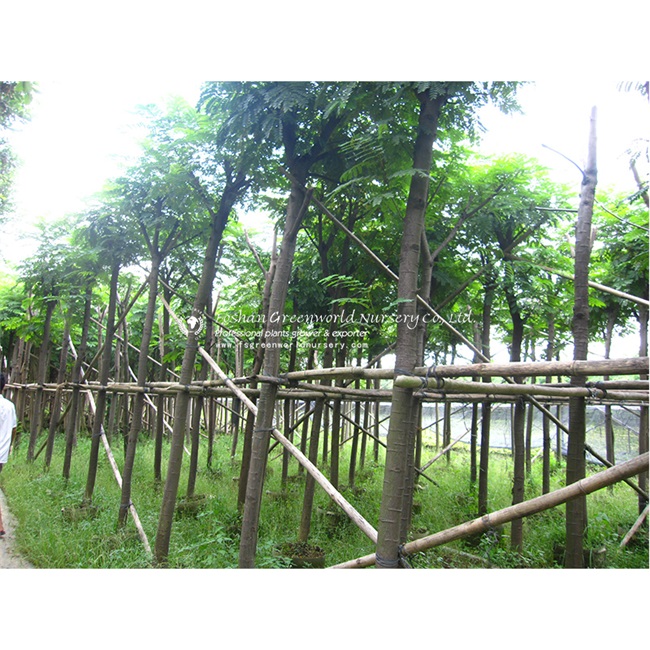
In a world increasingly dominated by urban sprawl and concrete structures, the call for greener, more sustainable spaces has never been louder. Among the many botanical champions playing a pivotal role in this green revolution is *Tecoma stans*, commonly known as the yellow trumpetbush. This vibrant flowering shrub, renowned for its brilliant orange-yellow blossoms, is gaining traction in urban landscaping and ecological restoration projects across diverse climates.
### The Charm and Utility of *Tecoma stans*
*Tecoma stans* is celebrated not just for its aesthetic appeal. Its robust nature, coupled with relatively low maintenance needs, makes it an excellent candidate for public parks, roadside greenery, and private gardens. The plant's bright trumpet-shaped flowers attract pollinators like bees and hummingbirds, contributing to biodiversity in urban zones. Beyond visual delight, *Tecoma stans* serves as a natural barrier and windbreaker, enhancing environmental quality and reducing noise pollution.
This species thrives in full sunlight with well-drained soil, demonstrating resilience against drought and common pests. Such characteristics have led landscapers and urban planners to prioritize *Tecoma stans* as a sustainable alternative to more demanding ornamental plants.
### A Floral Symphony: Integrating Diverse Botanicals
While *Tecoma stans* represents a stellar example of vibrant, adaptable flora, the green space narrative is enriched by many other species that complement its brilliance within urban and natural landscapes. Among the noteworthy plants are:
- **Lagerstroemia indica (Crape Myrtle):** Known for its spectacular summer blooms and peeling bark, this tree adds both color and texture to cityscapes.
- **Delonix regia (Flamboyant Tree):** With its fiery red flowers and spreading canopy, it’s a favorite shade tree that also bursts with seasonal visual drama.
- **Hibiscus tiliaceus and Hibiscus tiliaceus var. rubra:** Charming tropical plants prized for their large, colorful flowers, contributing to coastal or warm-climate aesthetics.
- **Pongamia pinnata (Indian Beech):** Besides its ornamental value, this tree is used for erosion control and biofuel production, making it environmentally significant.
- **Albizia saman (Rain Tree):** Its expansive canopy creates natural shade, beneficial in hot urban environments.
- **Millingtonia hortensis (Indian Cork Tree):** Recognized for fragrant white flowers and fast growth, this species enhances sensory experiences in gardens.
- **Ficus nitida and other Ficus varieties:** Often used as bonsai or shade trees, they symbolize longevity and resilience.
- **Peltophorum, Ginkgo biloba, Magnolia grandiflora:** Trees that bring architectural elegance and historical significance, often planted in parks and large gardens.
- **Photinia serrulata and Cinnamomum camphora:** Popular for their glossy foliage and aromatic qualities, ideal for hedges and screens.
- **Prunus yedoensis (Yoshino Cherry):** Famous for stunning cherry blossoms, heralding springtime beauty.
- **Trachycarpus fortunei and Wodyetia bifurcata:** Palm species that evoke tropical ambiance.
- **Sea Grape Plant and Ficus religiosa (Sacred Fig):** Both hold ecological and cultural importance, the latter revered in many spiritual traditions.
- **Ficus racemosa:** Valued for its medicinal properties and fruit, complementing the biodiversity tapestry.
### Urban Greenery and Environmental Renewal
Incorporating such a diverse palette of trees and shrubs into urban planning fosters multiple environmental benefits. They improve air quality by filtering pollutants, sequester carbon dioxide, and reduce urban heat island effects. These plants also support urban wildlife habitats, including essential pollinators and birds, thereby restoring ecological balance.
Moreover, green spaces designed with such species enhance the mental and physical well-being of residents. Studies consistently show that proximity to nature reduces stress, encourages physical activity, and fosters community cohesion.
### Challenges and Future Directions
While the integration of species like *Tecoma stans* and the aforementioned trees and shrubs marks significant progress, challenges remain. Urban environments present hostile conditions such as soil compaction, limited rooting space, pollution, and vandalism. Addressing these issues requires not only expert horticultural knowledge but also community engagement and supportive policies.
Innovations such as green roofs, vertical gardens, and smart irrigation systems are increasingly deployed to maximize plant health and resource efficiency. Additionally, selecting native or well-adapted species ensures better survival and ecological compatibility.
### Conclusion
The vibrant orange-yellow blooms of *Tecoma stans* symbolize more than just botanical beauty; they represent a growing commitment to greener cities and sustainable living. When combined harmoniously with an array of plants such as *Lagerstroemia indica*, *Delonix regia*, *Ficus* species, and others, these efforts contribute to resilient urban ecosystems that uplift human spirits and nurture the planet.
As urban populations continue to swell, integrating nature through diverse and adaptive plantings will be essential in shaping livable cities of the future. The blossoming of *Tecoma stans* and its botanical companions is a hopeful reminder that even within concrete jungles, nature’s vivid palette can flourish, enriching our lives and environment for generations to come.