
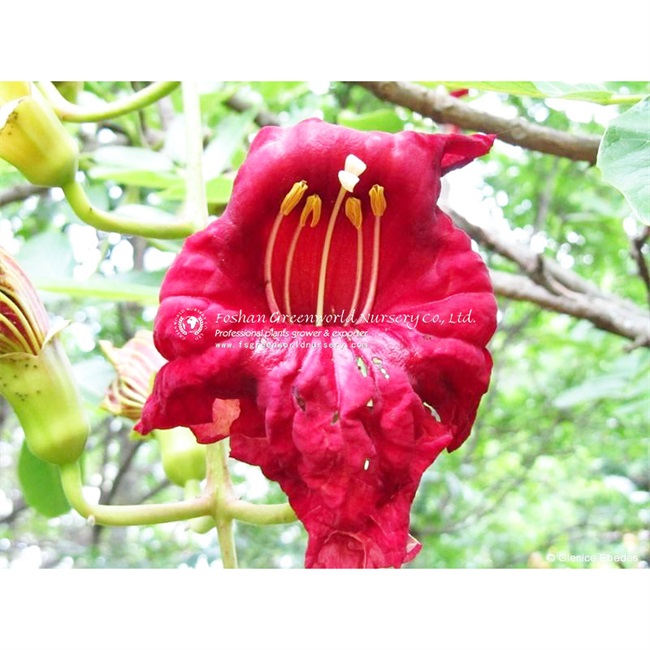
In the quest to create healthier, more sustainable urban environments, the integration of diverse tree species plays a vital role. Trees not only beautify cityscapes but also offer essential environmental benefits such as air purification, temperature regulation, and habitat provision for urban wildlife. Recent efforts have focused on expanding the variety of trees planted in public spaces, parks, and along streets to foster resilient urban ecosystems.
Among the notable species contributing to this greening initiative are Lagerstroemia indica, Delonix regia, Hibiscus tiliaceus (including its red variant), Pongamia pinnata, Albizia saman, Millingtonia hortensis, Ficus nitida, Peltophorum, Ginkgo biloba, Magnolia grandiflora, Photinia serrulata, Cinnamomum camphora, Prunus yedoensis, Trachycarpus fortunei, Tecoma stans, Wodyetia bifurcata, Sea grape plant, Ficus religiosa (also known as the sacred fig), Ficus racemosa, and meticulously maintained bonsai varieties.
**Ecological Benefits of Urban Tree Diversity**
The selection of a wide range of species serves multiple ecological and social purposes. For instance, Lagerstroemia indica, commonly known as crape myrtle, is celebrated for its vibrant summer blooms that enhance urban aesthetics while attracting pollinators. Similarly, Delonix regia, famous for its flamboyant red flowers and expansive canopy, provides shade and supports urban biodiversity.
Species such as Hibiscus tiliaceus and its red variant are particularly valuable in coastal and tropical urban settings due to their tolerance to saline conditions and ability to stabilize soils. Pongamia pinnata, a nitrogen-fixing leguminous tree, enriches soil quality, thereby promoting healthier urban flora. Albizia saman, widely recognized as the rain tree, offers extensive shade, making public spaces more comfortable in tropical and subtropical cities.
Millingtonia hortensis, known for its fragrant white blossoms, is appreciated in urban landscaping for contributing to sensory experiences through pleasant aromas. Trees like Ficus nitida and Ficus religiosa not only serve ornamental roles but also hold cultural significance in many communities, fostering social connections to green spaces.
**Combating Urban Heat and Pollution**
Species like Ginkgo biloba and Magnolia grandiflora are fundamental in mitigating urban heat island effects through their broad leaves and lengthy growing seasons. Ginkgo biloba, an ancient tree species, is resilient to pollution and confined root zones, making it a prime candidate for city planting. Magnolia grandiflora, with its large glossy leaves, effectively absorbs airborne particulates, improving air quality.
Cinnamomum camphora is another species employed in urban forestry for its robust nature and evergreen foliage that supports year-round air purification. Additionally, Prunus yedoensis, or Yoshino cherry, is renowned for its spring blossoms, which foster community engagement during bloom festivals, enhancing the social value of urban green spaces.
**Adaptability and Maintenance Considerations**
Many species chosen for urban planting are selected based on their adaptability to various environmental stresses. Trachycarpus fortunei, the windmill palm, thrives in diverse climatic conditions, including temperate zones, thus extending urban greening beyond tropical regions. Tecoma stans adds bright yellow flowers and is drought-tolerant, an important trait under increasing instances of urban water scarcity.
Wodyetia bifurcata, Sea grape plants, and Ficus racemosa contribute to the aesthetic diversity while supporting urban fauna such as birds and insects. Their relatively low maintenance requirements make them suitable for public spaces where upkeep resources may be limited.
Bonsai, representing the artful miniaturization of larger species, although traditionally a private art form, are increasingly being incorporated in community gardens and public exhibitions as symbols of the delicate balance between nature and urban living.
**Integration Strategies for Sustainable Urban Landscapes**
The concerted selection and planting of these species reflect a broader strategy to create multifunctional green spaces that address ecological, social, and climatic challenges. Urban forestry programs prioritize species that serve complementary purposes — from shade provision and aesthetics to air purification and cultural significance.
By combining fast-growing, shade-providing trees like Albizia saman with flowering ornamentals such as Lagerstroemia indica and Prunus yedoensis, cities can maintain visual appeal throughout the year. Incorporating resilient species like Pongamia pinnata and Cinnamomum camphora ensures longevity and reduced replacement costs.
Moreover, these species promote biodiversity corridors within urban matrices, facilitating the movement and habitation of native wildlife, which in turn supports healthier ecosystems. Educational programs highlighting the benefits and care of these trees have also been instrumental in engaging local communities, fostering stewardship and enhancing urban environmental awareness.
**Challenges and Future Directions**
Despite the many advantages, urban tree planting does face challenges such as space limitations, soil compaction, pollution stress, and vandalism. Selecting tree species with inherent resilience, such as Ginkgo biloba and Ficus nitida, can mitigate some of these issues. Furthermore, incorporating native or well-adapted species reduces the need for excessive maintenance and chemical inputs.
Looking forward, advances in urban forestry will likely integrate smart technologies for monitoring tree health, optimizing irrigation, and predicting environmental stresses. Continued research into the interactions between selected species and urban microclimates will refine planting practices to maximize benefits.
**Conclusion**
The deployment of a diverse array of tree species—including Lagerstroemia indica, Delonix regia, Hibiscus tiliaceus, Pongamia pinnata, Albizia saman, Millingtonia hortensis, various Ficus species, and others—marks a significant step towards resilient and vibrant urban green spaces. These trees not only uplift city environments aesthetically but also bolster ecological functions, climate resilience, and community well-being.
As cities worldwide grapple with rapid urbanization and environmental challenges, embracing diverse urban forestry initiatives remains a key strategy in forging sustainable, livable urban futures where people and nature thrive in harmony.