
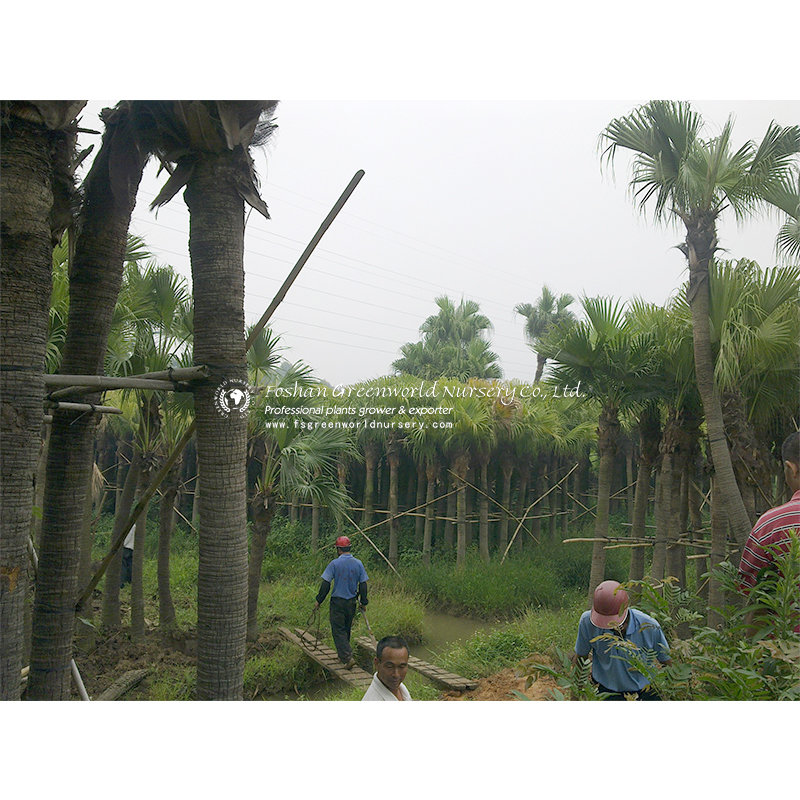
In the continuous effort to enrich urban and suburban green spaces, a variety of plant species have been gaining attention due to their aesthetic appeal, ecological benefits, and cultural significance. Among these, the Mango tree (*Mangifera indica*) stands out as a beloved species known for its delicious fruit and dense canopy. Alongside the mango tree, numerous other species including Lagerstroemia indica, Delonix regia, Hibiscus tiliaceus, and many more contribute uniquely to the vibrancy and sustainability of our environment.
### The Mango Tree: A Tropical Treasure
The Mango tree (*Mangifera indica*) is widely celebrated across tropical regions for its luscious fruit and expansive, shade-providing foliage. It thrives in warm climates and is an integral part of many agricultural and home gardens. Beyond its nutritional benefits, containing essential vitamins and minerals, the mango tree also supports biodiversity by offering habitat and food for various birds and insects. Its deep root system helps in soil conservation and improves water retention, making it a valuable component in urban agroforestry.
### Complementing Species in Urban Forestry
Urban greening initiatives do not rely on a single species but rather call for a biodiverse array that ensures ecological balance and aesthetic diversity. The following species have been increasingly integrated into landscaping projects and community green spaces:
- **Lagerstroemia indica (Crape Myrtle):** Known for its stunning summer blooms in shades of pink, purple, and white, this deciduous tree or shrub adds color and vibrancy to streets and parks. Its peeling bark and compact form also make it an attractive feature in urban design.
- **Delonix regia (Flamboyant Tree):** Renowned for its fiery red-orange flowers and sprawling canopy, it provides excellent shade and ornamental value. It thrives in tropical climates and serves as a popular roadside tree.
- **Hibiscus tiliaceus and Hibiscus tiliaceus var. rubra:** Both variants of this low-maintenance coastal species are appreciated for their bright yellow and red flowers respectively. They are salt-tolerant, making them ideal for seafront plantings and erosion control.
- **Pongamia pinnata (Indian Beech):** A robust leguminous tree, valued for its ability to fix nitrogen, improving soil fertility naturally. It also produces seeds that can be converted to biofuel, illustrating the intersection between ecology and sustainable energy.
- **Albizia saman (Rain Tree):** Known for its vast, umbrella-like canopy, it serves as a natural shelter in parks and playgrounds. Its fast growth and nitrogen-fixing capability make it a useful species for reforestation and soil restoration projects.
- **Millingtonia hortensis (Tree Jasmine):** With fragrant white flowers blooming in the evening, this tree is popular in urban landscaping for sensory appeal as well as shade.
- **Ficus nitida (Indian Laurel Fig):** Frequently planted as a shade tree along boulevards, its dense canopy helps reduce urban heat islands, while its aerial roots create distinctive natural sculptures.
- **Peltophorum:** Characterized by its bright yellow flower clusters, this tree is well-suited for ornamental use and soil enrichment through nitrogen fixation.
- **Ginkgo biloba:** A living fossil, the Ginkgo tree is prized for its fan-shaped leaves that turn bright yellow in autumn, adding seasonal interest to urban landscapes. It is also highly resilient against pollution and pests.
- **Magnolia grandiflora:** An evergreen with large, fragrant white flowers, this species adds a touch of elegance to parks and private gardens, thriving in a variety of soil types.
- **Photinia serrulata:** Commonly used for hedges and screens, this shrub/tree's glossy leaves and red new growth offer year-round visual appeal.
- **Cinnamomum camphora (Camphor Tree):** Besides its shade provision, this tree is known for its aromatic leaves and historical medicinal uses.
- **Prunus yedoensis (Yoshino Cherry):** Famous for spectacular springtime cherry blossoms, it draws visitors and encourages community engagement with green spaces.
- **Trachycarpus fortunei (Windmill Palm):** This hardy palm is often used to introduce a subtropical flair to gardens in temperate urban zones.
- **Tecoma stans:** With bright yellow tubular flowers, this shrub attracts pollinators and brings energetic color to landscapes.
- **Wodyetia bifurcata (Foxtail Palm):** Recognizable by its fluffy fronds, it adds architectural interest to urban plantings.
- **Sea Grape (*Coccoloba uvifera*):** An important coastal plant, it helps stabilize sandy soils and provides edible fruit enjoyed by wildlife and people alike.
- **Ficus religiosa (Sacred Fig Tree) and Ficus racemosa:** These figures hold cultural and spiritual significance in many societies, while their large canopies enhance urban biodiversity.
### The Importance of Biodiversity in Urban Green Spaces
The integration of such a diverse collection of plants supports ecological resilience. Trees and shrubs like these improve air quality, combat heat islands, support pollinator populations, and offer recreational and educational opportunities for urban dwellers. Moreover, incorporating culturally significant species like the Sacred Fig and the Mango tree helps foster a deeper community connection to place and nature.
### Future Prospects
Cities and communities aiming for sustainability and livability must emphasize planting a wide array of species that are native or well-adapted to local conditions. This approach not only ensures the health and longevity of urban green spaces but also supports local wildlife and enhances the overall quality of life for residents.
The mango tree, alongside Lagerstroemia indica, Delonix regia, Hibiscus variants, and many others, continues to exemplify the vital role flora plays across climates and cultures worldwide. As urbanization accelerates, these plant species stand as pillars of green infrastructure—providing shade, beauty, food, and ecological stability.
---
This compilation of species highlights the richness and potential of urban afforestation efforts. By combining traditional favorites like the Mango tree with an array of complementary plants, cities can create lush, sustainable green spaces that benefit all inhabitants.