
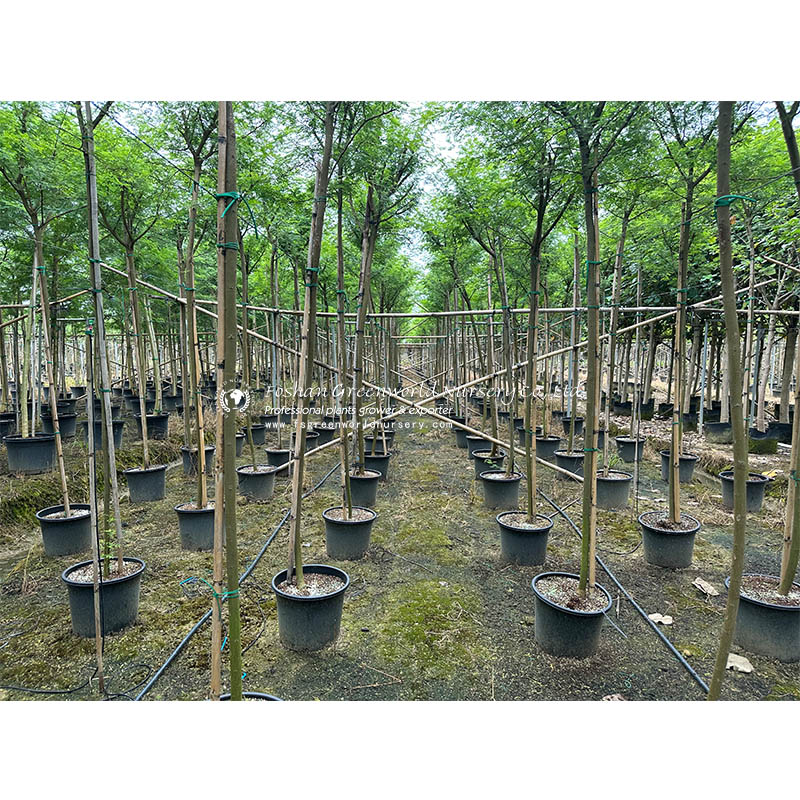
In a bid to enhance urban greenery and promote a sustainable environment, city planners and environmentalists are amplifying efforts to introduce a diverse range of tree species in public spaces, parks, and along streets. This initiative aims to not only beautify the urban landscape but also improve air quality, provide shade, and foster biodiversity in metropolitan areas increasingly challenged by pollution and climate change.
One significant aspect of the campaign involves the removal of certain problematic species such as the Large Sago Palm, known to pose maintenance challenges and potential ecological concerns. Their removal makes way for an array of carefully selected tree species that promise to thrive and offer numerous environmental benefits.
The selected species encompass a broad family of flowering and shade trees, each contributing uniquely to the urban ecosystem. Prominent among them are Lagerstroemia Indica and its variety, Lagerstroemia Indica Vase, both well-regarded for their vibrant blossoms and adaptability to urban settings. Their beautiful, long-lasting flowers add splashes of color during the blooming season, enhancing public spaces aesthetically.
Shade trees such as Delonix Regia, commonly known for its expansive canopy and fiery red flowers, are excellent for creating shaded walking areas that encourage outdoor activities even under the sun’s intensity. Hibiscus Tiliaceus Rubra and Hibiscus Tiliaceus likewise offer hardy, fast-growing options that can withstand various urban stresses while providing lush green foliage and seasonal blooms.
Pongamia Pinnata, an evergreen tree known for its nitrogen-fixing capabilities, improves soil health and supports urban agriculture by enriching the soil naturally. Albizia Saman and Millingtonia Hortensis further boost the green cover with their dense canopies and fragrant flowers, respectively, making the streets and parks vibrant and inviting.
Ficus species form a vital part of this urban greening effort. Ficus Nitida, Ficus Religiosa (Sacred Fig Tree), and Ficus Racemosa are notable for their cultural significance, large canopies, and ability to provide ample shade. These trees also support local wildlife by offering habitats for birds and insects amid the cityscape.
Additional tree varieties such as Peltophorum, Ginkgo Biloba, and Magnolia Grandiflora are introduced for their unique aesthetic and ecological traits. Ginkgo Biloba, for instance, is a living fossil with commendable resistance to pollution and disease, making it an ideal city tree. Magnolia Grandiflora adds grandeur with its large, fragrant white flowers and glossy leaves.
Photinia Serrulata and Cinnamomum Camphora bring diversity to the foliage palette with their vibrant leaf colors and aromatic properties. The presence of Prunus Yedoensis, also known as the Yoshino Cherry, lends a seasonal spectacle with its stunning pink and white blossoms that attract residents and tourists alike during spring.
Among the palms and tropical options, Trachycarpus Fortunei, Tecoma Stans, and Wodyetia Bifurcata provide structural diversity and year-round greenery. Sea Grape Plant adds a coastal touch ideal for urban seaside parks, while bonsai forms of trees such as the Sacred Fig Tree offer opportunities for education and cultural engagement with nature.
The integrated planting program is backed by city authorities and supported by environmental organizations committed to sustainable urban development. The combination of these species ensures a resilient urban forest that can withstand climate challenges such as heatwaves, drought, and storm events.
This green transformation aligns with the broader global agenda for sustainable cities aimed at improving the quality of life for residents through enhanced green spaces. It also contributes to carbon sequestration, reduces urban heat islands, and promotes biodiversity – all crucial elements in facing the challenges posed by urbanization and climate change.
Residents are encouraged to participate actively in this initiative by supporting local tree-planting events, adopting greener landscaping practices in their homes, and spreading awareness about the importance of maintaining and protecting urban greenery.
As the city bids farewell to the Large Sago Palm, which has been identified as less suitable for sustained urban planting, it warmly welcomes a new era of rich and diverse tree species. This initiative not only transforms public spaces aesthetically but also nurtures a healthier, greener, and more sustainable urban environment for all.
**About the Company Involved**
The company spearheading this effort is renowned for its expertise in urban landscaping and environmental management. Specialized in cultivating a wide variety of tree species ranging from Lagerstroemia Indica to Ficus Racemosa, they combine scientific research with traditional horticultural practices to select species best suited for urban environments. Their commitment is demonstrated through ongoing projects focusing on environmental sustainability, community engagement, and education on the importance of urban forestry.
Through innovation and dedication, this company is playing a pivotal role in shaping greener cities, one tree at a time, ensuring that future generations inherit a livable and vibrant urban ecosystem.
---
This news piece highlights the transition from removing unsuitable plant species like the Large Sago Palm to embracing a diverse, environmentally beneficial tree species portfolio, reflecting a thoughtful and forward-looking approach to urban green space enhancement.