
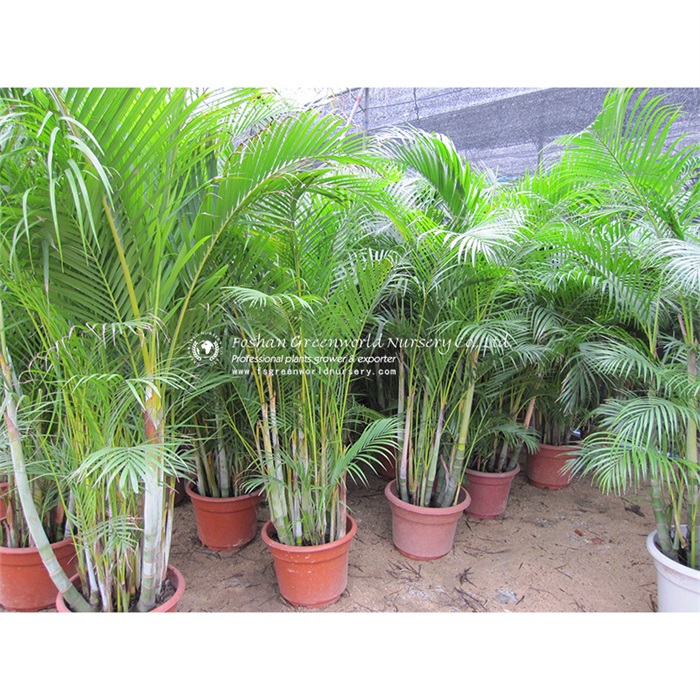
Urban greening and landscaping initiatives continue to gain momentum worldwide as cities strive to create more sustainable, beautiful, and healthful environments for their residents. A recent focus has been the utilization of versatile and visually appealing plant species that not only improve aesthetics but also contribute to ecological balance and climate resilience. Among these, the Indica crepe myrtle has emerged as a standout choice, alongside a rich selection of other notable species such as Delonix regia, Hibiscus tiliaceus rubra, Pongamia pinnata, and many more.
### The Appeal and Characteristics of Indica Crepe Myrtle
Indica crepe myrtle is prized for its ornamental value and robust adaptability. Known for its vibrant bloom clusters lasting through summer into early fall, it infuses landscapes with striking hues of pink, purple, red, and white. Its smooth, peeling bark provides additional year-round interest, making it a favorite in urban areas that often lack green vibrancy during colder months.
This species is remarkably tolerant to heat and drought, which makes it highly suitable for cities in arid and semi-arid regions. Its relatively low maintenance demands are a significant advantage for municipal gardening programs that must balance budget and labor resources. Indica crepe myrtle’s moderate size makes it an excellent choice for street-side planting, parks, and residential gardens, where space may be limited.
### Complementary Botanical Species for Diverse Green Spaces
Beyond the Indica crepe myrtle, a broad palette of plant species enriches the urban green fabric with complementary forms, colors, and ecological benefits. For example:
- **Delonix regia (Royal Poinciana)**: Famous for its flamboyant red flowers and wide canopy, this tree provides excellent shade and attracts pollinators, adding both ecological and social value to city parks.
- **Hibiscus tiliaceus rubra**: With its dark red foliage and attractive flowers, this coastal shrub is well suited for heat and saline environments, supporting coastal urban greening.
- **Pongamia pinnata**: A fast-growing nitrogen-fixing tree, it improves soil fertility while serving as a robust shade provider. Its flowers are also a nectar source for bees.
- **Albizia saman (Rain Tree)**: Renowned for its expansive umbrella-like canopy, it creates comfortable shaded areas and contributes to urban microclimate cooling.
- **Millingtonia hortensis**: This fragrant flowering tree is valued for its tall, slender profile and seasonal white blossoms.
- **Ficus nitida and Ficus religiosa (Sacred Fig Tree)**: Both ficus species are culturally significant and ecologically beneficial, known for dense foliage and support for biodiversity, such as birds and insects.
- **Peltophorum species**: Offering bright yellow flowers in the spring, these trees enhance visual diversity.
- **Ginkgo biloba**: A living fossil with distinctive fan-shaped leaves that turn brilliant yellow in autumn, it is highly pollution tolerant.
- **Magnolia grandiflora**: Celebrated for its large fragrant white flowers and glossy leaves, this tree provides year-round beauty.
- **Photinia serrulata**: Its vibrant red young leaves contribute dynamic seasonal color changes.
- **Cinnamomum camphora (Camphor Tree)**: An evergreen species that emits a distinct aromatic scent, it has a broad canopy and robust root system.
- **Prunus yedoensis (Yoshino Cherry)**: Prized for its iconic spring blossoms, it has cultural significance and attracts visitors during flowering events.
- **Trachycarpus fortunei**: This cold-hardy palm adds tropical flair and architectural interest.
- **Tecoma stans**: With trumpet-shaped yellow flowers, it offers vibrancy to garden spaces and attracts hummingbirds.
- **Wodyetia bifurcata (Foxtail Palm)**: Known for its attractive foliage resembling a fox’s tail, it thrives in warm climates.
- **Sea Grape (Coccoloba uvifera)**: Widely used in coastal landscaping, it helps with erosion control and provides edible fruit.
- **Ficus racemosa**: Adds ecological richness with its fruit attracting wildlife, and supports urban biodiversity.
### Integrating Diverse Species into Sustainable Urban Planning
Utilizing this broad selection of species allows city planners and landscape architects to design multi-functional green spaces that meet various needs: shade for cooling, flowering plants for pollinators, fruit-bearing trees for wildlife, and resilient species for climate adaptation.
By incorporating both fast-growing nitrogen-fixers like Pongamia pinnata and substantial shade trees such as Albizia saman, urban landscapes gain ecological balance. Moreover, culturally revered trees such as Ficus religiosa create a connection between residents and their environment, fostering a sense of community and heritage.
Furthermore, species like Ginkgo biloba and Cinnamomum camphora are especially useful in highly polluted urban areas due to their tolerance to contaminants, making them key components in improving air quality. The diverse bloom periods and leaf colors found across these plants also ensure year-round visual interest.
### Environmental and Social Benefits
The integration of Indica crepe myrtle along with these various trees and shrubs supports urban ecosystem services such as:
- **Improved air quality** through pollutant absorption.
- **Temperature regulation** via shading and evapotranspiration.
- **Stormwater management** through increased infiltration facilitated by root systems.
- **Habitat provision** for urban wildlife including pollinators, birds, and small mammals.
- **Mental health benefits** for residents by offering natural respite and aesthetic enjoyment.
Additionally, the flowers of many species within this group attract bees, butterflies, and birds, playing a crucial role in supporting urban biodiversity and pollination.
### Conclusion
Indica crepe myrtle, complemented by an extensive list of companion plant species ranging from Delonix regia to Ficus racemosa, represents a versatile and ecologically valuable palette for urban landscaping and greening initiatives. Their combined qualities of aesthetic appeal, environmental resilience, and ecosystem service provision address the multifaceted challenges facing modern cities. As climate change and urbanization continue to amplify environmental stresses, such thoughtfully designed green spaces are fundamental to fostering more livable, sustainable urban environments where both people and nature can thrive.