
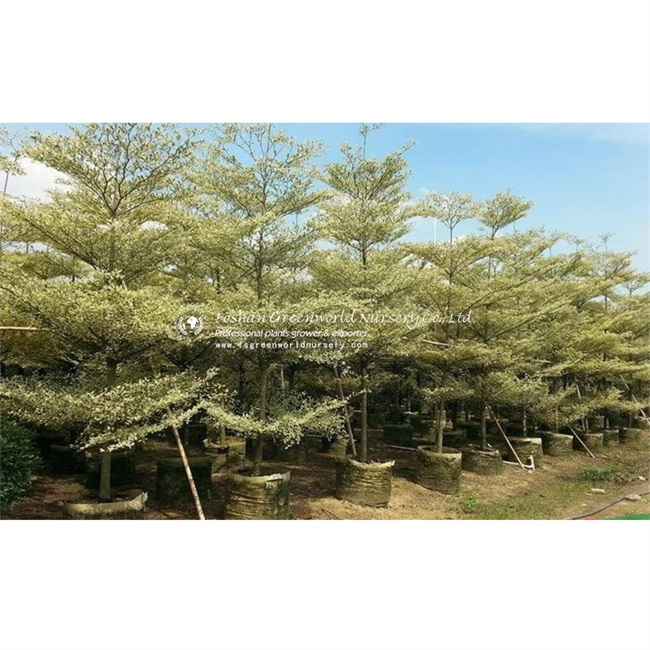
In an era where environmental sustainability and urban greening have become paramount, the incorporation of resilient and ecologically beneficial tree species is gaining heightened attention. Dalbergia Sissoo, commonly known as Sissoo, stands out as a remarkable species due to its adaptability, fast growth, and diverse uses. Paired with a broad range of other vibrant and hardy tree species, it holds promise for transforming urban and rural landscapes alike.
### Dalbergia Sissoo: A Versatile Timber and Ecological Asset
Dalbergia Sissoo is a deciduous rosewood tree native to the Indian subcontinent and renowned for its durability and rich timber qualities. It grows rapidly, tolerates a variety of soil types, and withstands drought conditions once established. These characteristics have made it an indispensable choice for afforestation projects, agroforestry systems, and timber plantations.
Beyond timber production, Dalbergia Sissoo’s deep root system plays a crucial role in preventing soil erosion and enhancing soil fertility through nitrogen fixation, a benefit for sustainable agriculture. Its canopy offers excellent shade propitious in urban settings and along roadsides to reduce heat and filter air pollutants, contributing to improved microclimates.
### A Symphony of Complementary Tree Species
The significance of Dalbergia Sissoo amplifies when integrated into diversified planting schemes alongside other species, particularly those with ornamental, ecological, and medicinal virtues. An array of such species includes Lagerstroemia Indica, Delonix Regia, Hibiscus Tiliaceus (including the Rubra variety), Pongamia Pinnata, Albizia Saman, Millingtonia Hortensis, Ficus Nitida, and many others, each contributing unique attributes to greening efforts.
- **Lagerstroemia Indica**, commonly called crape myrtle, is cherished for its long-lasting vibrant flowers and tolerance to heat and drought. Its aesthetic appeal brightens parks and streetscapes.
- **Delonix Regia**, known as the flamboyant or flame tree, provides a spectacular fiery red canopy, thriving in tropical urban landscapes.
- **Hibiscus Tiliaceus** and its Rubra variant are coastal species adept at stabilizing shorelines, with large heart-shaped leaves and beautiful flowers that attract pollinators.
- **Pongamia Pinnata** is gaining popularity as a nitrogen-fixing legume and a source of biodiesel, enhancing sustainability agendas.
- **Albizia Saman**, or rain tree, with its expansive spreading canopy, offers shade and enriches soil nitrogen, improving environmental quality especially in open parks and agricultural lands.
- **Millingtonia Hortensis** delights with its fragrant blossoms and moderate growth, suitable for medium-sized gardens.
- **Ficus Nitida** and other Ficus species such as Ficus Religiosa (Sacred Fig Tree) and Ficus Racemosa are prominent for their cultural significance, dense shade, and capacity to support urban wildlife.
Other noteworthy contributors are **Peltophorum** for its vivid yellow flowers, **Ginkgo Biloba** known for resilience and medicinal uses, **Magnolia Grandiflora** prized for its beautiful and fragrant flowers, and **Photinia Serrulata** with its striking red leaves that add seasonal interest.
### Enhancing Urban and Rural Ecosystems
Combining Dalbergia Sissoo with these species fosters biodiversity, restores degraded lands, and enhances ecosystem services such as carbon sequestration, air purification, and temperature moderation. Urban forestry benefits immensely from diverse species assemblages that improve resilience against pests, diseases, and the impacts of climate change.
Proactive afforestation in rural areas helps create green corridors that support pollinator habitats, stabilize soil, and improve water retention. Moreover, the incorporation of species like **Cinnamomum Camphora** (Camphor tree), **Prunus Yedoensis** (Yoshino cherry), **Trachycarpus Fortunei** (windmill palm), **Tecoma Stans** (yellow bells), **Wodyetia Bifurcata** (foxtail palm), **Sea Grape Plant**, and various bonsai forms widens the genetic base and aesthetic possibilities of forestry and landscaping schemes.
### Socioeconomic and Environmental Impact
The widespread cultivation of Dalbergia Sissoo and associated species contributes significantly to rural livelihoods. It provides raw materials for furniture, construction, and traditional crafts, opening income avenues. The provision of shade and green spaces in towns enhances quality of life and promotes health by encouraging outdoor activity and mitigating urban heat stress.
Additionally, trees like Pongamia Pinnata and Ginkgo Biloba have bioenergy and medicinal applications, respectively, integrating economic viability with ecological benefits.
### Conclusion
The concerted use of Dalbergia Sissoo in conjunction with a rich assembly of companion trees presents a sustainable and multifaceted approach to afforestation and greening projects. As urban populations swell and the demand for environmental quality intensifies, such initiatives prove critical to achieving climate goals and promoting biodiversity.
Harnessing the combined strengths of these tree species allows for more effective integration of environmental restoration, urban beautification, and socioeconomic development. Future greening strategies will greatly benefit from embracing this holistic, species-diverse planting model, paving the way for greener, healthier, and more resilient ecosystems across a variety of landscapes.