
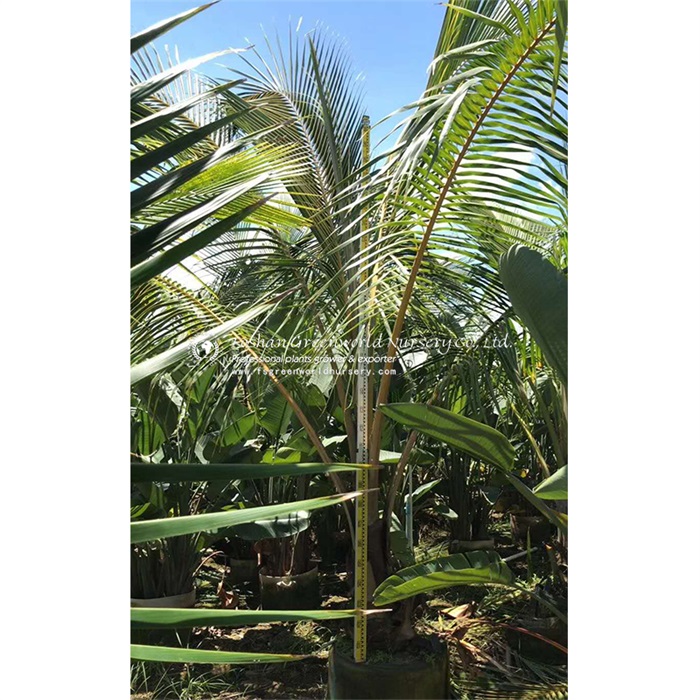
In recent years, the appreciation for ornamental plants and bonsai has seen a remarkable surge among gardening enthusiasts, hobbyists, and even urban dwellers seeking to bring a touch of nature into their living spaces. Among the vast variety of plants captivating the attention of plant lovers worldwide, **Hibiscus tiliaceus bonsai** stands out for its exquisite beauty and resilience. This ornamental miniature tree, when carefully cultivated and shaped, offers a blend of elegance and tranquility that beautifies homes, offices, and gardens. Accompanying Hibiscus tiliaceus in popularity are several other vibrant species that bring both aesthetic appeal and environmental benefits.
### The Allure of Hibiscus Tiliaceus Bonsai
Hibiscus tiliaceus, commonly known as the sea hibiscus, is a versatile tropical tree native to coastal tropical regions. Its adaptability to different climatic conditions, combined with its broad, heart-shaped leaves and bright yellow flowers, makes it an ideal candidate for bonsai cultivation. As a bonsai, Hibiscus tiliaceus boasts a dynamic balance of form and foliage that can transform any space into a serene environment.
The process of creating a Hibiscus tiliaceus bonsai is intricate yet rewarding. It involves meticulous pruning, wiring, and shaping over several years to mold the tree into a miniature but proportionally perfect form. Unlike many other bonsai species, Hibiscus tiliaceus is fairly hardy, making it an excellent choice even for beginners looking to dip their toes into the world of bonsai artistry.
### Expanding Horizons: A Variety of Ornamental Plants
The enthusiasm for Hibiscus tiliaceus bonsai is part of a larger movement towards indoor and outdoor greenery, highlighted by a diverse palette of ornamental plants appreciated for their unique features and symbolic significance. Among these, several species stand out, each bringing its special charm to both private and public spaces.
- **Lagerstroemia Indica (Crepe Myrtle):** Admired for its stunning, crinkled flowers in shades of pink, purple, and white, Lagerstroemia Indica is a favorite for vibrant garden displays and ornamental purposes.
- **Delonix Regia (Royal Poinciana):** Known for its flamboyant red blooms and expansive canopy, this tree is a tropical icon often planted in parks and boulevards.
- **Hibiscus Tiliaceus Rubra:** A variant appreciated for its reddish foliage, adding a dramatic touch to garden compositions.
- **Pongamia Pinnata:** Valued for its ability to thrive in poor soil conditions and its potential role in biofuel production, Pongamia Pinnata is a sustainable choice for eco-conscious gardeners.
- **Albizia Saman (Rain Tree):** Famous for its umbrella-like canopy, providing shade and aesthetic value.
- **Millingtonia Hortensis (Indian Cork Tree):** Noted for its fragrant white flowers and medicinal properties.
- **Ficus Nitida:** Celebrated as a hardy bonsai species, often used in urban landscaping and indoor bonsai collections.
- **Peltophorum:** Valued for its golden yellow flowers which create vivid visual impact.
- **Ginkgo Biloba:** An ancient tree species revered for its unique fan-shaped leaves and remarkable resilience.
- **Magnolia Grandiflora:** Known for its large, fragrant white flowers and evergreen foliage.
- **Photinia Serrulata:** Often used as a hedge plant with striking red young leaves.
- **Cinnamomum Camphora (Camphor Tree):** Famous for its aromatic properties and shade-giving qualities.
- **Prunus Yedoensis (Yoshino Cherry):** Celebrated during cherry blossom season for its stunning blooms.
- **Trachycarpus Fortunei (Windmill Palm):** A hardy palm that adds a tropical feel to gardens.
- **Tecoma Stans:** Valued for its trumpet-shaped yellow flowers.
- **Wodyetia Bifurcata (Foxtail Palm):** Popular for its lush appearance and adaptability.
- **Sea Grape Plant (Coccoloba uvifera):** Widely grown in coastal areas for its large leaves and edible fruit.
- **Ficus Religiosa (Sacred Fig Tree):** A culturally significant tree with heart-shaped leaves.
- **Ficus Racemosa:** Known for its clusters of figs and religious significance.
### Promoting Green Living and Environmental Benefits
The growing popularity of these plants is more than an aesthetic trend; it’s a movement towards promoting healthier living spaces and environmental sustainability. Plants like Hibiscus tiliaceus bonsai and other species listed above contribute significantly to air purification by absorbing carbon dioxide and releasing oxygen. This makes them ideal companions in urban homes and offices where air quality can often be compromised.
Moreover, these plants encourage mindfulness and provide therapeutic benefits. Caring for bonsai, in particular, is known to be a calming and fulfilling hobby, promoting patience, creativity, and a connection with nature. The presence of vibrant flowers and lush foliage can improve moods and reduce stress, making green spaces more than just decorative but essential for mental wellness.
### Conclusion
The rise of **Hibiscus tiliaceus bonsai** as a favored ornamental plant symbolizes a broader cultural shift toward embracing nature’s beauty in everyday environments. Coupled with an array of other captivating plant species such as Lagerstroemia Indica, Delonix Regia, Ficus species, and Ginkgo Biloba, the adoption of these natural treasures enhances not only the visual appeal but also the ecological health of our surroundings.
As more individuals and communities cultivate these plants, the green movement gains momentum, reminding us of the timeless value and joy found in nurturing living greenery. Whether as bonsai or full-sized trees and shrubs, these species offer a pathway to reconnect with nature in the modern world—one leaf, flower, and branch at a time.